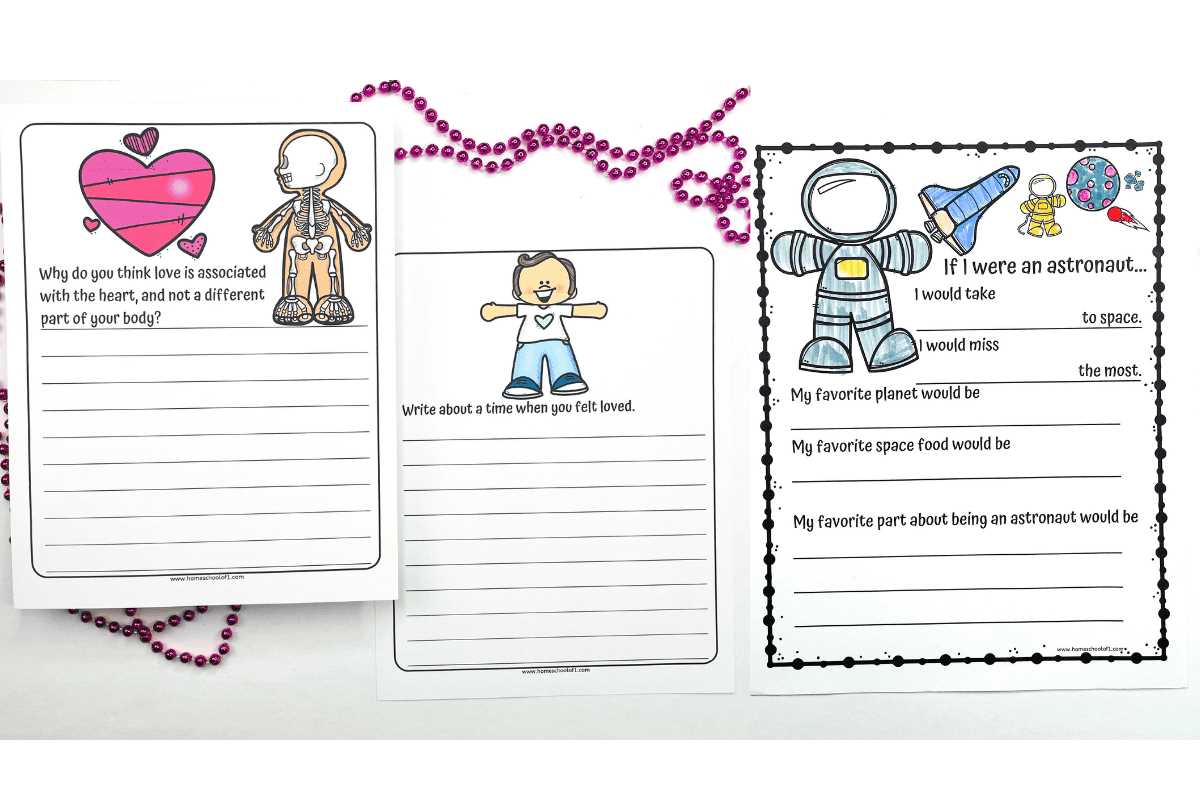
Start by offering structured exercises to spark creativity in children. Use simple tasks that allow them to visualize and describe their thoughts clearly. For example, give them a scenario such as “Describe a day in the life of a superhero” or “Imagine a new animal and explain how it survives in the wild.” These types of exercises help young learners practice critical thinking and improve their expressive abilities.
Another way to motivate them is by offering scenarios that require problem-solving, such as “You find a hidden treasure map, what do you do next?” This encourages children to explore plot development, characters, and settings in a fun, interactive manner. It also allows them to explore various writing styles such as narrative, descriptive, or even persuasive writing.
Best Techniques for Using Writing Exercises in the Classroom
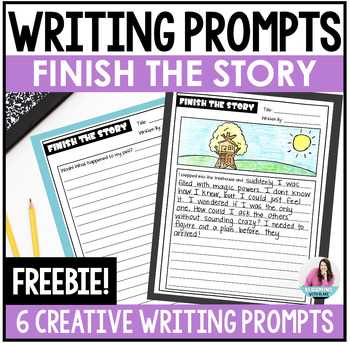
In a classroom setting, it’s important to provide a variety of prompts. A mix of short, focused exercises and longer, more expansive projects will keep the students engaged. For instance, begin with a short task where students write a paragraph on a random subject, and gradually introduce longer activities like short stories or letters from the perspective of a character in a specific situation.
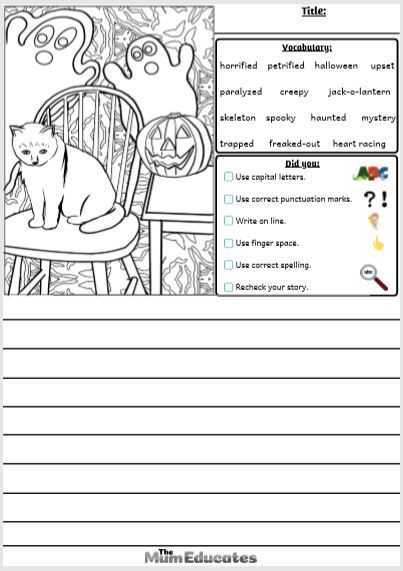
Incorporating art and drawing into writing exercises can also enhance the creative process. Encourage students to draw a picture first, then write a story based on it. This helps to link visual creativity with written expression, reinforcing their skills in both areas simultaneously.
Where to Find New Ideas and Resources for Writing Activities
There are countless websites where teachers and parents can find ready-to-use exercises. Websites dedicated to educational materials often offer downloadable content to suit a wide range of skill levels. Whether you need a simple starter exercise or a more complex challenge for advanced students, these resources can help provide a fresh perspective on writing activities.
Many local libraries also offer free access to printed materials that can be used in the classroom. Explore your local library’s collection or digital resources for additional content. Additionally, creating a writing challenge of your own based on the student’s current interests can be a great way to keep them engaged and eager to write.
By consistently offering new and exciting writing challenges, you’ll see significant improvements in how students approach creative expression. The key is to keep the tasks varied and aligned with their growing abilities and interests.
Ideas to Spark Creativity in Students
Provide simple scenarios that encourage imagination, like “What would happen if you could talk to animals for a day?” This allows students to create stories, develop characters, and explore new worlds, all while improving their narrative skills.
For a more structured approach, use prompts that focus on specific genres. For example, “Write a letter to your future self” or “Describe a new invention that could change the world.” These exercises can help students practice persuasive or descriptive writing, giving them a clear direction while keeping the task interesting.
Vary the difficulty of the exercises based on the student’s skill level. Younger children may enjoy drawing a picture first and then writing a story based on it, while more advanced students can be tasked with writing full essays or short stories that focus on specific writing techniques like character development or setting description.
Incorporate real-world scenarios into prompts to help students relate to the material. For instance, “If you could solve one problem in your community, what would it be and how would you do it?” This encourages students to think critically while practicing their writing and communication skills.