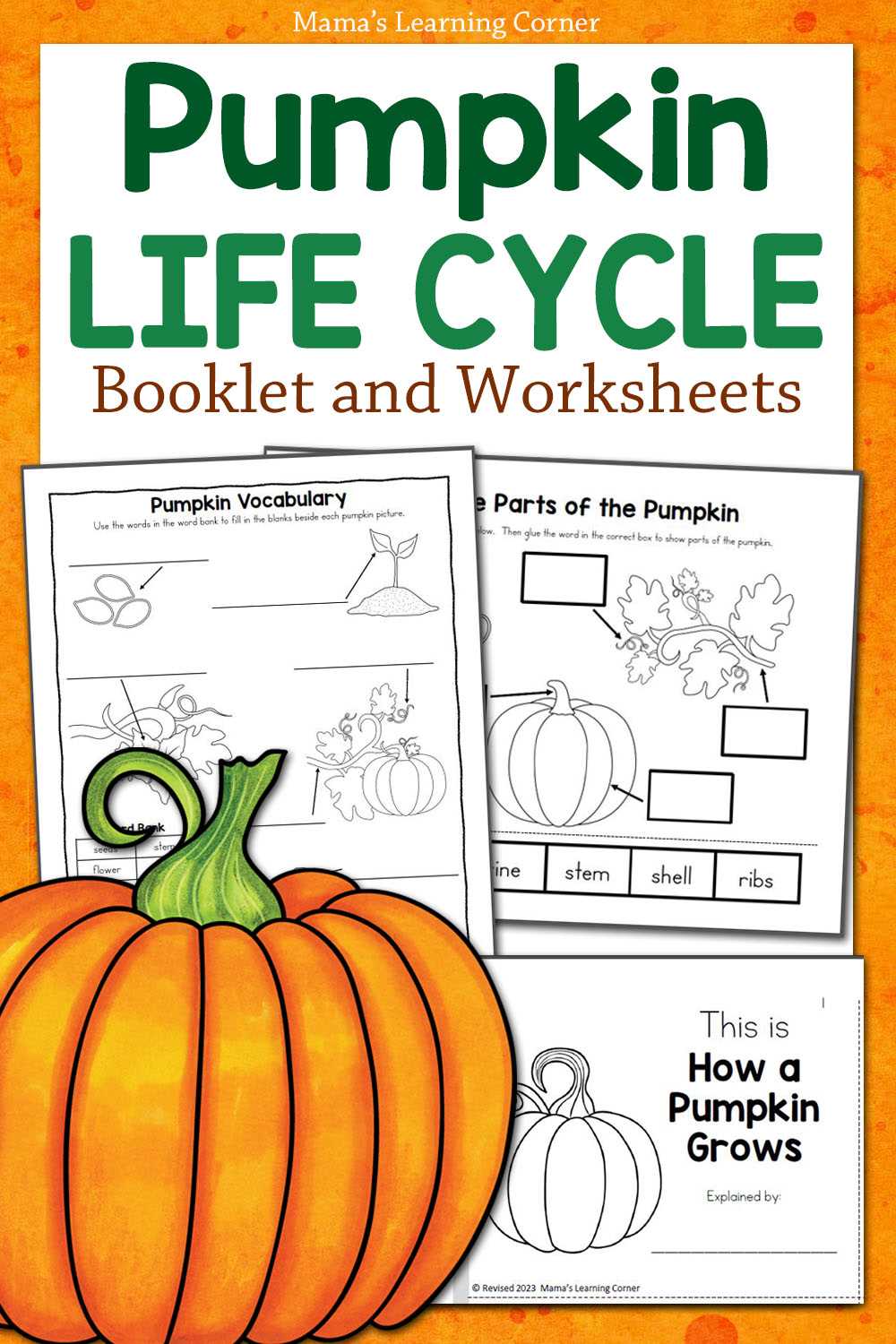
For an engaging educational experience, consider using an illustrated resource to explore the transformation of a seed into a mature fruit. By examining these stages, you can easily follow the process from sprouting to harvest. This guide will help break down each phase, making it easier to understand the key moments of development.
Start with planting the seed. Initially, it’s essential to prepare the soil for proper germination. In the early days, the seed splits open, and tiny roots begin to anchor the plant. As the first signs of life appear, new shoots push through the soil, marking the start of the growth phase.
Once the shoots emerge, watch as the plant grows rapidly, sending out vines and producing large, broad leaves. This phase is crucial for ensuring enough sunlight and water reach the plant. Flowers begin to appear, which eventually develop into fruit, going through stages of swelling and ripening over time.
The final stage is the maturation of the fruit, where it gains its full size and color. At this point, it’s important to monitor the plant to determine when it’s time for harvesting. Proper timing ensures that the fruit reaches its peak and is ready for use in various applications, from cooking to decoration.
How to Design a Printable for Classroom Use on the Stages of a Plant’s Growth
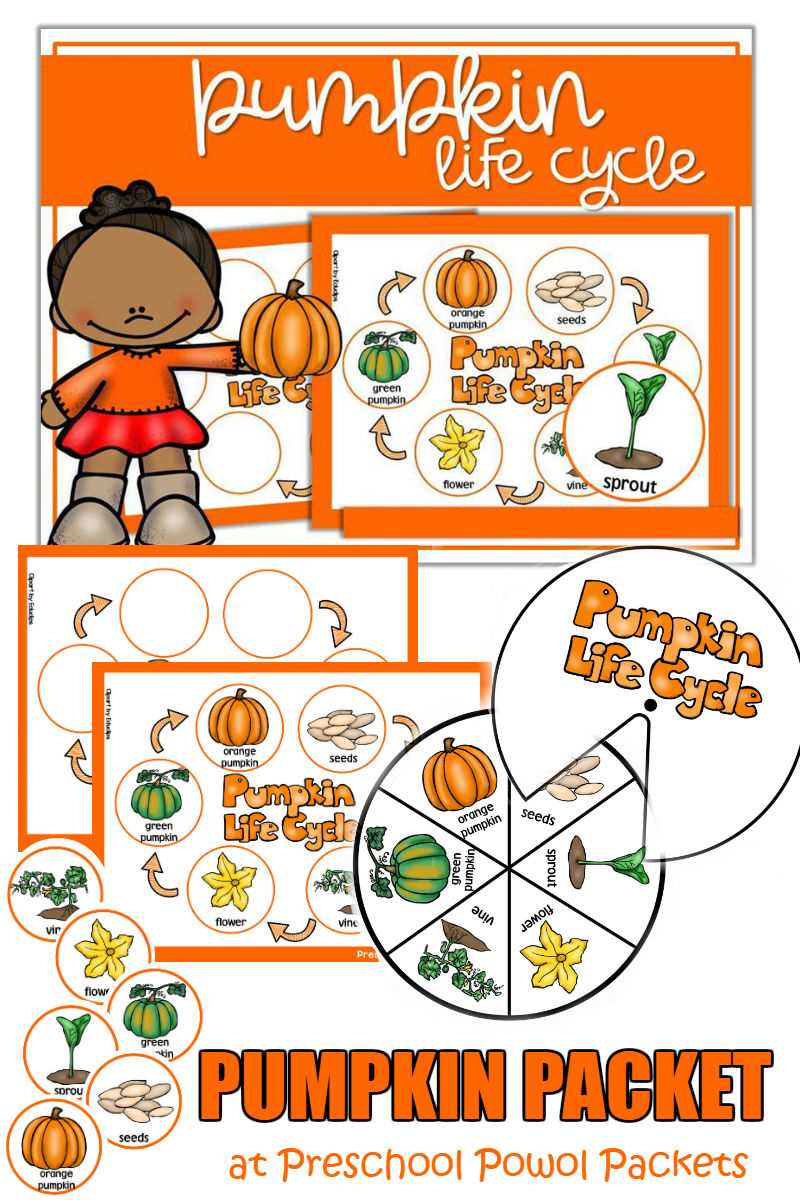
Begin by identifying the key stages of a plant’s development, from seed to mature plant. These stages should be visually distinct to make them easy for students to recognize and understand. Divide the process into clear sections: seed, sprout, plant, flowering, and mature plant. Each stage should be represented by a unique image or illustration that accurately shows the transformation, with labels for clarity.
Use simple, clear images that capture each stage of the plant’s progression. The artwork should be easily identifiable for children, ideally with bright, bold lines and minimal detail to avoid overwhelming them. Avoid overly complex illustrations and instead focus on recognizable shapes and colors that match the stage being depicted. For example, the seed should look small and simple, while the mature plant can be more detailed and vibrant.
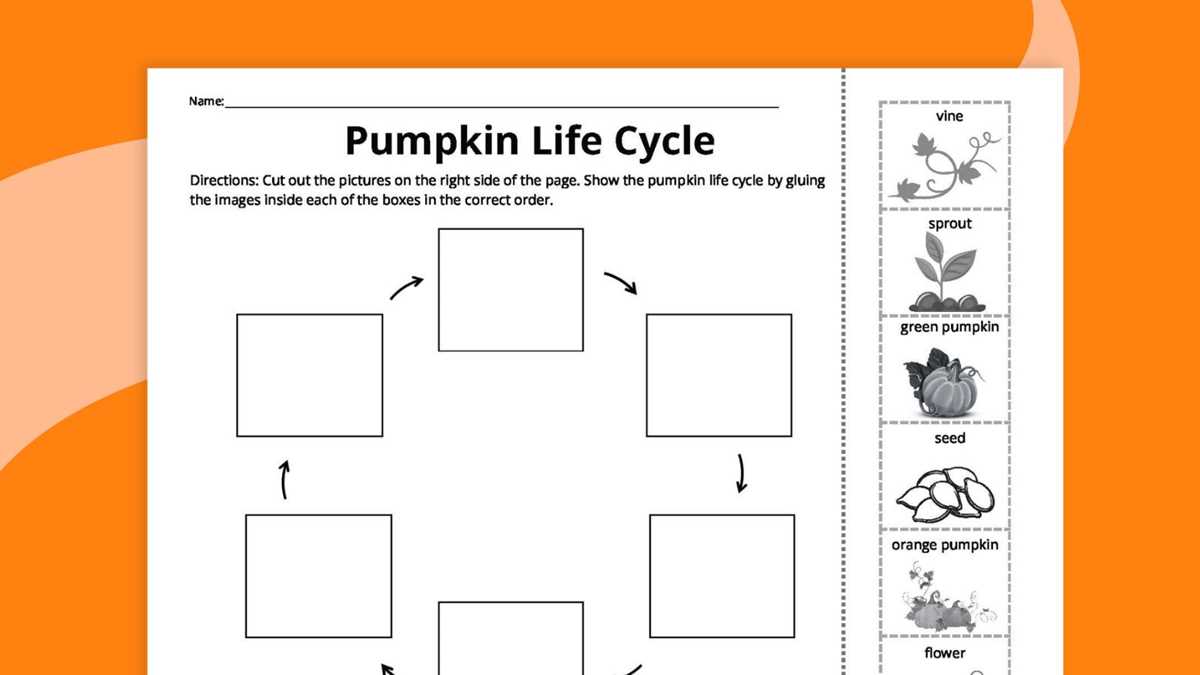
To help students follow the sequence, provide arrows or numbered steps connecting each illustration. This ensures that they can easily see the flow from one stage to the next. Keep the layout linear or circular, depending on which format best suits the age group and classroom space. A circular design may work well for younger students, while a linear format might be better for older students who can handle more complex visual cues.
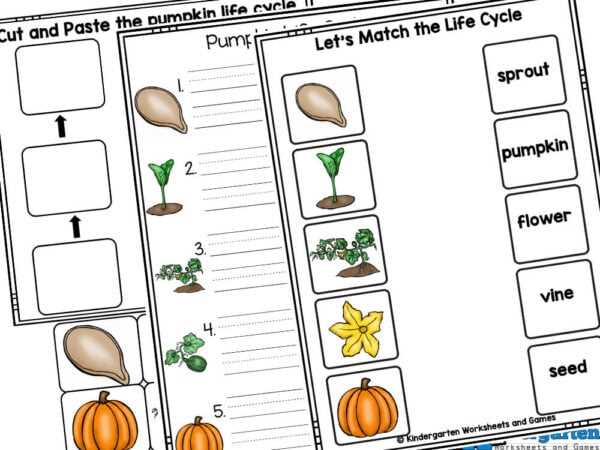
Incorporate interactive elements. For instance, leave spaces where students can draw their own interpretations of each stage or write simple descriptions. This engagement encourages them to think about the process beyond just viewing the images. It also gives students a hands-on experience, enhancing their understanding through creativity.
Color plays a key role in making the images stand out. Choose colors that reflect the true appearance of each stage, but ensure they are bright enough to capture attention. Greens, browns, yellows, and oranges are natural choices, but don’t be afraid to use contrasting colors to make each stage pop, making it easier for students to differentiate between the various phases.
Consider the educational level of your class when deciding the level of detail. For younger children, stick to basic shapes and bright colors, while older students can benefit from additional text and perhaps more detailed images. Include small facts or questions alongside each illustration to prompt discussion and deeper learning.
Finally, make sure the overall design is easy to print and use in the classroom. Keep file sizes manageable and ensure the document is formatted for standard paper sizes. Consider testing the layout to ensure everything prints clearly and that each stage is adequately spaced to prevent overcrowding on the page.