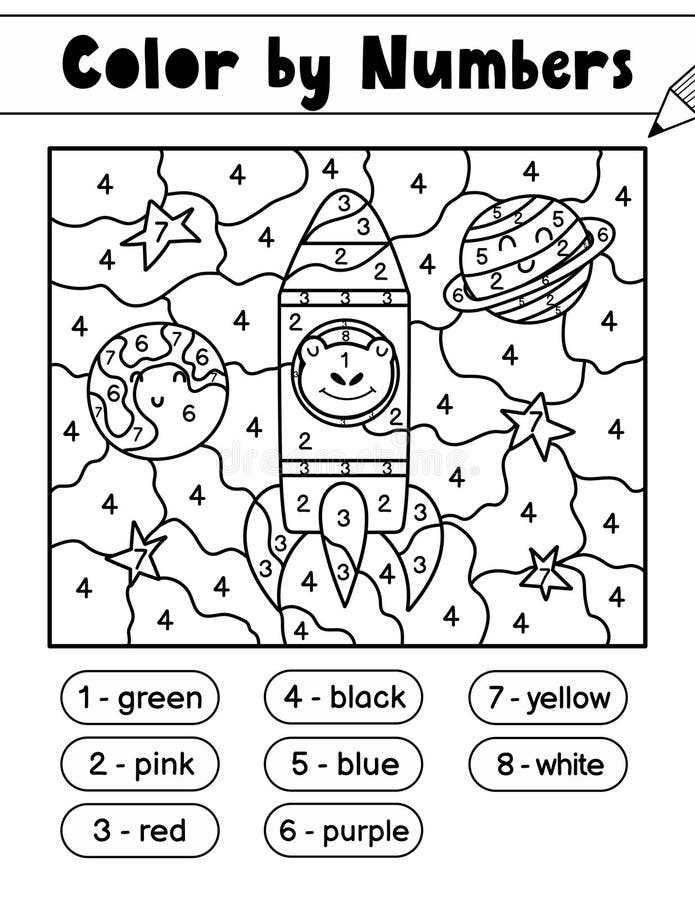
To make learning more engaging, use activities that blend creativity and education. For young children, activities where they match colors to symbols or patterns based on a simple guide help build important skills like number recognition and fine motor control.
Choosing the Right Templates for Skill Development
Look for templates that encourage focus and precision. Simple designs with bold lines and clear instructions are best for beginners. These activities should provide an opportunity for your child to develop not only their artistic abilities but also cognitive skills like pattern recognition and sequence understanding.
How to Create Fun and Educational Sheets at Home
Creating your own learning sheets is easy. Draw simple shapes or scenes and assign each section a different color based on a number or letter. Use common objects–like animals, trees, or everyday items–to make the experience more relatable and fun for the child.
When selecting or creating these educational tools, ensure the instructions are straightforward and encourage independent decision-making. This allows children to learn both creatively and practically, engaging with the task on multiple levels.
Engaging Activities for Early Learners
To support development in young children, create simple art projects where they match colors to symbols, encouraging focus and fine motor skills. These activities should involve easy-to-follow instructions to help kids stay engaged while also learning about sequencing and recognition.
Use visual sheets with familiar themes, such as animals or basic shapes. Assign each section of the design a color based on a guide to help the child recognize numbers, shapes, or patterns. These activities can be completed independently with minimal guidance, allowing kids to enjoy both the creative process and learning.
Make the experience more dynamic by introducing variations. For example, allow children to create their own color legend or try using different mediums like crayons or markers to add texture and depth to their artwork. This encourages them to experiment with different colors and improve their ability to follow instructions.
As children grow, increase the complexity of the activity by incorporating more detailed designs or adding elements that challenge them to match colors across multiple sections. This promotes critical thinking while reinforcing color recognition and attention to detail, helping them build a strong foundation for both creativity and logic skills.