Tips for Creating Effective Number Puzzles
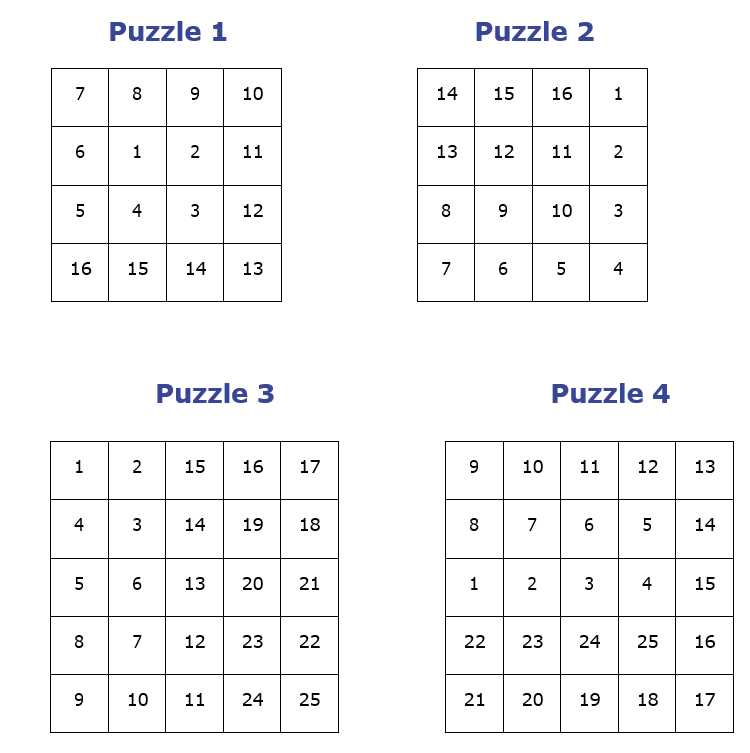
To craft a grid challenge with consecutive numbers, start by selecting the grid size. A 6×6 layout works well for beginners, while more experienced solvers might enjoy an 8×8 or even a 10×10 grid. Ensure the numbers fill the cells sequentially, leaving some gaps for the player to complete. The key is to provide enough structure to guide the solver, while also allowing for problem-solving creativity.
Keep in mind that the grid should be designed in such a way that it encourages logical thinking. Each number should be connected to the next, but there should be no obvious or overly simple paths. It’s important to leave enough space for multiple potential solutions to keep it engaging. Avoid over-complicating the challenge with too many blanks that could discourage participants. A balanced approach will enhance the overall experience.
Step-by-Step Guide to Printing Custom Number Grids
1. Choose Your Layout and Size
Start by deciding the number of cells in the grid. For print-friendly designs, grids ranging from 5×5 to 10×10 work best. Consider offering a variety of sizes to cater to different difficulty levels.
2. Generate the Grid
Create a sequence of numbers starting from 1 and continue sequentially. Leave empty spaces in the grid where the solver will have to fill in the numbers. You can either create the grid manually or use an online generator to randomize the placement of blank cells.
3. Add Instructions
Provide simple instructions explaining the goal: “Fill the grid by connecting consecutive numbers in order, starting with 1.” Clear and concise directions help players quickly understand how to engage with the activity.
4. Print and Distribute
Ensure that your printout is high-quality, especially for grids that are meant to be printed multiple times. If you’re creating these challenges in bulk, consider formatting them for easy printing on standard letter or A4 size paper.
Suggestions for Extra Fun
- Challenge Variations: For added complexity, introduce multiple paths where solvers can choose their route through the grid, or place certain numbers in difficult-to-reach spots.
- Timed Challenges: To raise the stakes, include a timer to see how quickly someone can fill the grid correctly.
- Printable Sheets: Offering multiple grids on a single page can keep solvers entertained for hours, giving them a variety of puzzles to choose from.
Conclusion
Crafting an intriguing number sequence activity requires careful planning. By offering grids in varying sizes and with a mixture of difficulty levels, you can keep solvers entertained while also encouraging cognitive skill development. With simple guidelines and clear instructions, anyone can enjoy solving number-based puzzles in a fun and engaging way!
Numbrix Puzzle Printouts
To create an engaging brain exercise, print out a variety of grids filled with numbers and empty spaces. These should range from easy to hard levels, ensuring a gradual increase in difficulty. Start by choosing grids with a 5×5 or 6×6 size, and over time, move to larger grids for a more challenging experience. A higher difficulty may involve more complex patterns or fewer numbers, demanding greater concentration.
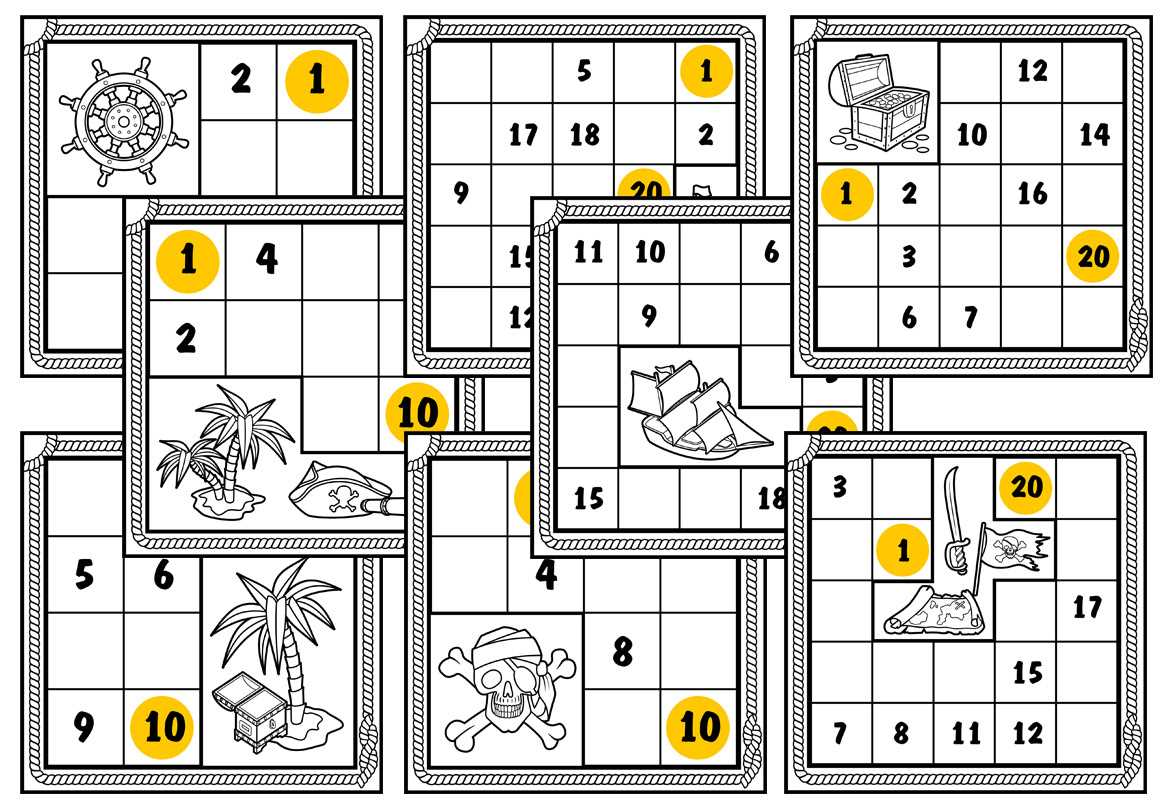
One simple trick for enhancing your enjoyment is to print a few of these grids on a single page. This way, you can have multiple challenges to work through, saving time and paper. Consider alternating between straight paths and winding routes to keep your sessions fresh. This will prevent boredom and offer a variety of stimulating patterns to solve.
Finally, regularly mix up the design. Instead of sticking to the same grid format, try varying the number placement. This helps to improve pattern recognition and sharpens your solving abilities. Whether you’re a beginner or advanced, switching up the complexity will keep you entertained and challenge your skills at every turn.