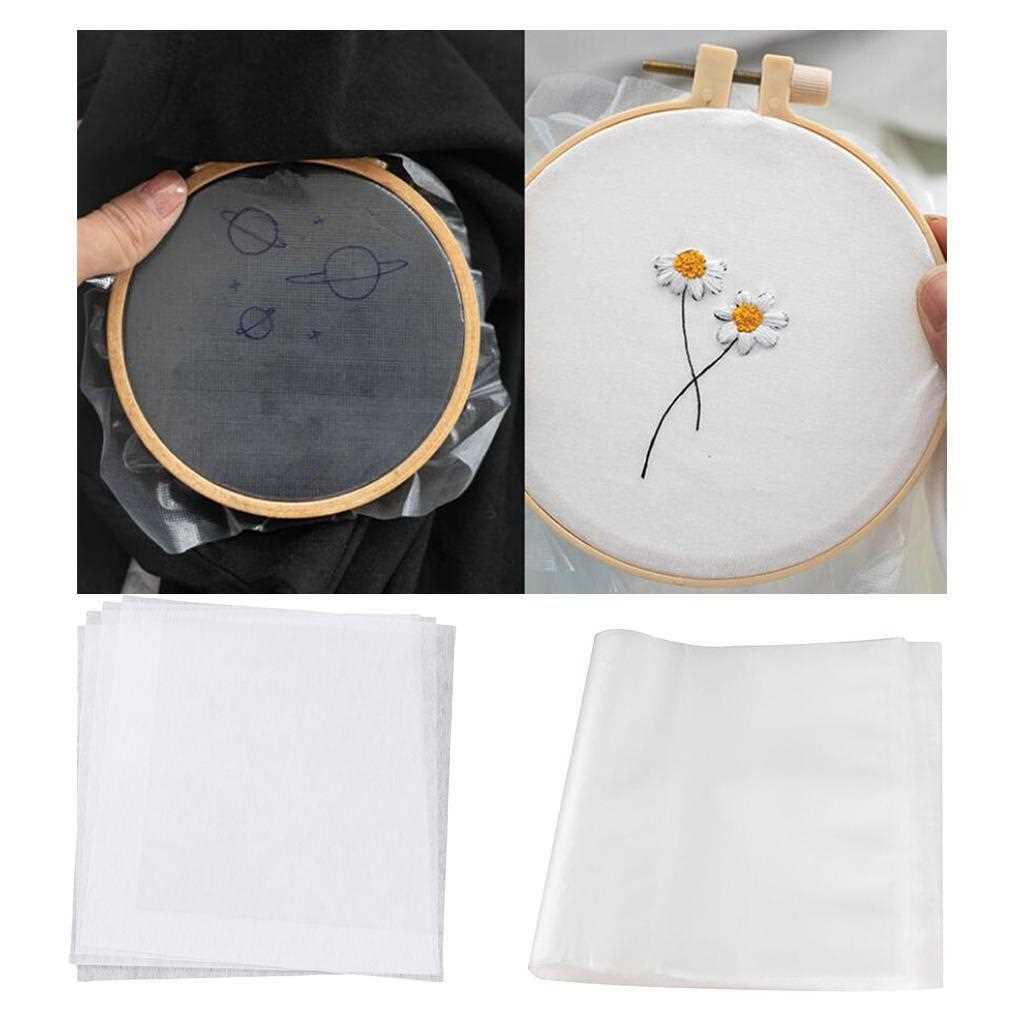
Choose a water-soluble stabilizer sheet for detailed stitching on cotton or linen and print your motif at 300 DPI using an inkjet printer set to high quality mode. Allow the ink to dry for at least 15 minutes before handling to prevent smearing.
Types of Pattern Sheets and Fabric Compatibility
Water-dissolvable backing works well for light and medium-weight fabrics. After stitching, soak the finished piece in lukewarm water for 5–10 minutes until the film dissolves completely. For darker or thicker textiles, use a heat-activated tracing sheet that bonds temporarily with a household press at 285–300°F for 8–12 seconds.
- Water-soluble film: Best for intricate floral or lettering designs.
- Heat-applied tracing sheets: Suitable for bold outlines and repeated motifs.
- Carbon-style dressmaker sheets: Reusable for manual tracing with a stylus.
Printing and Application Steps for Clean Lines
Resize artwork to the exact hoop dimensions and mirror only if the selected sheet requires face-down bonding. Keep margins of at least 0.5 inch to avoid printer roller marks. Feed one sheet at a time through the rear tray to reduce jamming.
Application Process
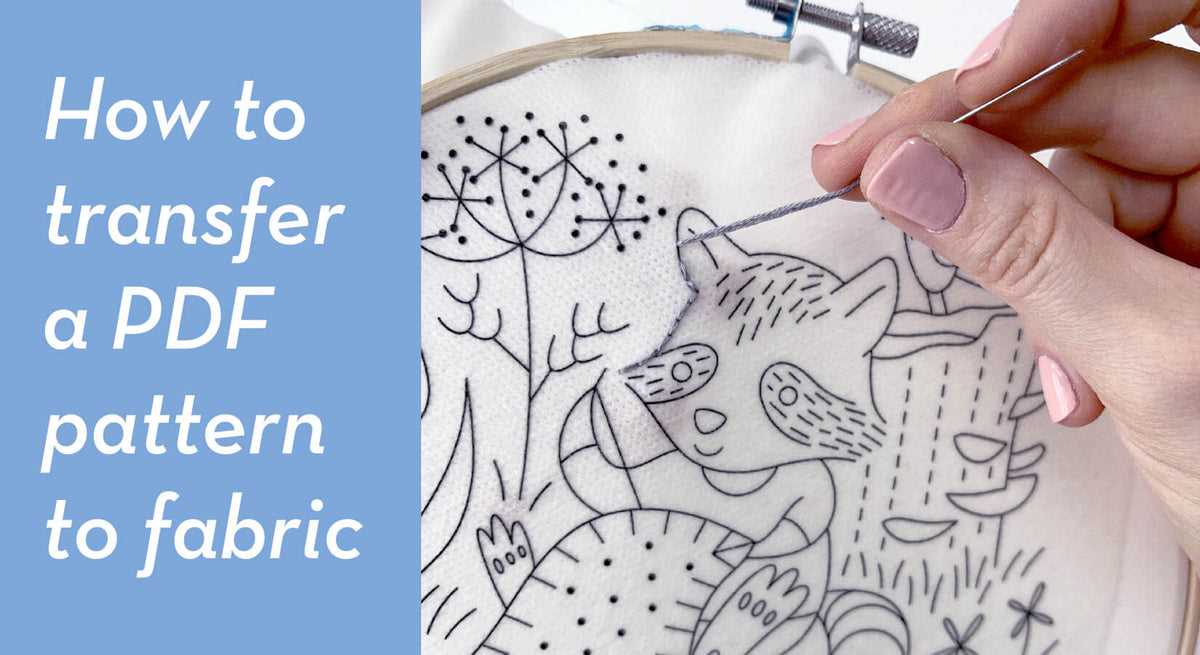
- Secure fabric tightly in a hoop to prevent shifting.
- Align the printed film over the target area.
- Press or adhere according to manufacturer temperature guidelines.
- Stitch directly through the stabilizer layer.
- Remove residue by soaking or gently peeling once stitching is complete.
Store unused sheets flat in a sealed bag at room temperature between 18–24°C with low humidity. High moisture levels can affect ink absorption and bonding quality, leading to blurred outlines or lifting edges during stitching.
Inkjet Pattern Sheets for Needlework Design Placement
Use a water-dissolvable stabilizer film for detailed motifs and print the artwork at 300 DPI with inkjet settings on high quality to achieve crisp outlines. Let the ink dry for at least 10–15 minutes before positioning it on fabric to prevent smudges and ghosting.
Select the sheet type based on textile weight: thin cotton and linen pair well with rinse-away backing, while thicker denim or canvas may require a heat-activated tracing layer applied at 285–300°F for 8–12 seconds. Keep the fabric tightly hooped to avoid distortion, and align the design using grid marks printed around the motif.
Do not overload the printer tray; feed one sheet at a time through the rear slot to reduce roller marks. Maintain a margin of at least 0.5 inch on all sides. If lines appear faint, increase print density in the driver settings rather than scaling the artwork beyond the hoop size.
After stitching, submerge the finished piece in lukewarm water for 5–10 minutes until the stabilizer dissolves fully, then air dry flat. Store unused sheets in a sealed plastic sleeve at 18–24°C with low humidity to preserve coating quality and prevent curling or premature adhesion.