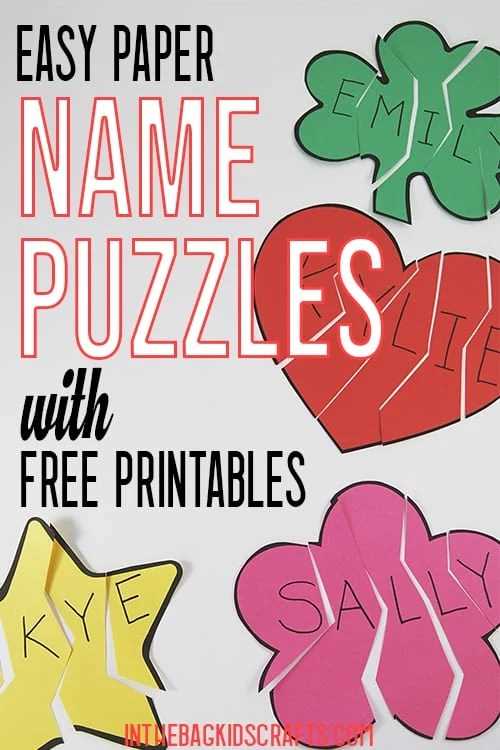
Start by selecting simple templates where each letter of a child’s first name is placed within a separate section. This allows them to focus on one letter at a time, making it easier for them to learn how to recognize and order letters.
Make sure to print the designs on thick paper to prevent the pieces from tearing easily. You can also laminate the printed sheets for repeated use, ensuring that children can enjoy the activity over and over again. The sturdier the paper, the more durable the finished piece will be.
To make this activity even more enjoyable, include a variety of designs. For example, instead of just using plain letter blocks, incorporate fun shapes, animals, or characters that correspond to the letters, making the task both educational and visually engaging.
Steps to Personalize Letter Recognition Activities
Personalizing these activities helps children connect better with the task. Create templates with each child’s full name and let them rearrange the letter blocks to form their name. This not only teaches spelling but also helps children feel more engaged and proud of their work.
Another way to make it more challenging is by including different fonts or styles for each letter. This will help children recognize that letters can look different but still represent the same sounds. As they complete each task, they will become more comfortable with letter recognition in various contexts.
Interactive Tips for Increased Engagement
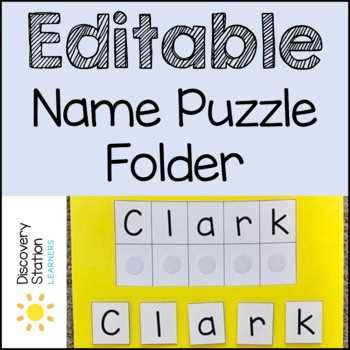
- Offer stickers, stamps, or markers for children to decorate the letters once completed.
- Incorporate a timer to see how quickly they can match the letters correctly.
- Allow children to add their own designs or drawings around the letters to further personalize the activity.
Using Letter Matching in Group Settings
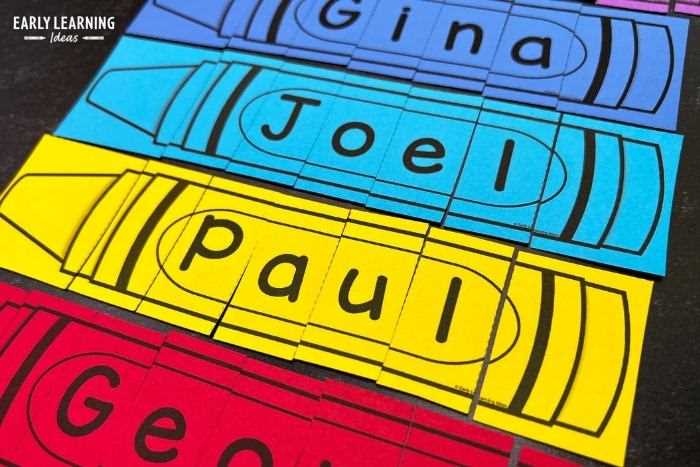
If you have multiple children, you can turn this activity into a fun group challenge. Provide each child with a set of letter blocks to form their names and then have them compare which group finishes first. This can help build teamwork and cooperation while enhancing their letter recognition skills.
Additionally, try pairing up kids and have them work together to spell out each other’s names. This not only encourages collaboration but also reinforces learning through social interaction, making the experience more memorable.
Printable Name Puzzles Guide
To create a fun and educational experience, begin by choosing a design that is easy to follow. Select templates where the letters are large and clearly defined. This will make it easier for children to match the correct pieces, ensuring they stay engaged and are able to complete the activity successfully.
When printing the templates, use sturdy paper. This helps the pieces hold up better, especially if children are using markers or crayons. If you plan to reuse the designs, consider laminating them. Laminated sheets can be wiped clean, allowing for repeated use without the risk of the pieces getting worn out.
If you’re working with younger children, simplify the task by choosing designs with fewer pieces. Start with basic shapes or letters that are part of their first name. As they get more comfortable, you can introduce more complex designs, such as multiple words or mixed fonts that help them practice more advanced letter recognition.
For a more interactive experience, combine the puzzle with other activities. For instance, after children finish assembling the pieces, have them write the letters in the correct order on a piece of paper. This helps reinforce the spelling and memory of each letter while also giving them a chance to practice writing skills.
Another idea is to incorporate visual cues. For example, each letter could be paired with an image of something that starts with that letter. For the letter “A,” include a picture of an apple. This not only helps with letter recognition but also connects the activity to real-world concepts.
Incorporating Personalization
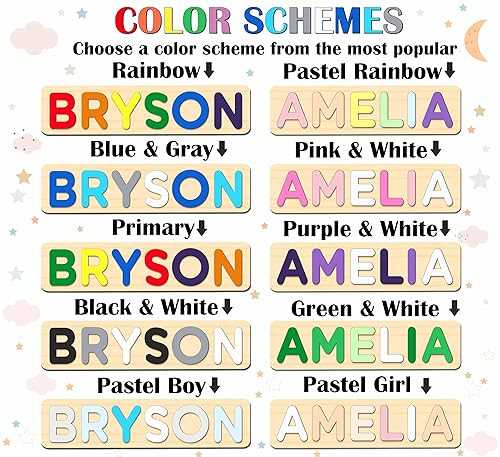
Make the activity even more engaging by personalizing it. Allow children to pick colors for each letter or add their own drawings around the pieces. This encourages them to take ownership of their work, making the task more meaningful and enjoyable.
If you’re using the puzzle for a classroom or group activity, consider creating themed designs. For example, during the holiday season, you could create a festive version of the puzzle with holiday symbols for each letter. This adds a seasonal touch and makes the activity feel even more exciting for kids.
Lastly, make this activity a social experience by having children work together to complete the puzzle. This not only encourages collaboration but also strengthens communication skills. You can have them explain their choices or discuss strategies for completing the puzzle, creating a fun learning environment.