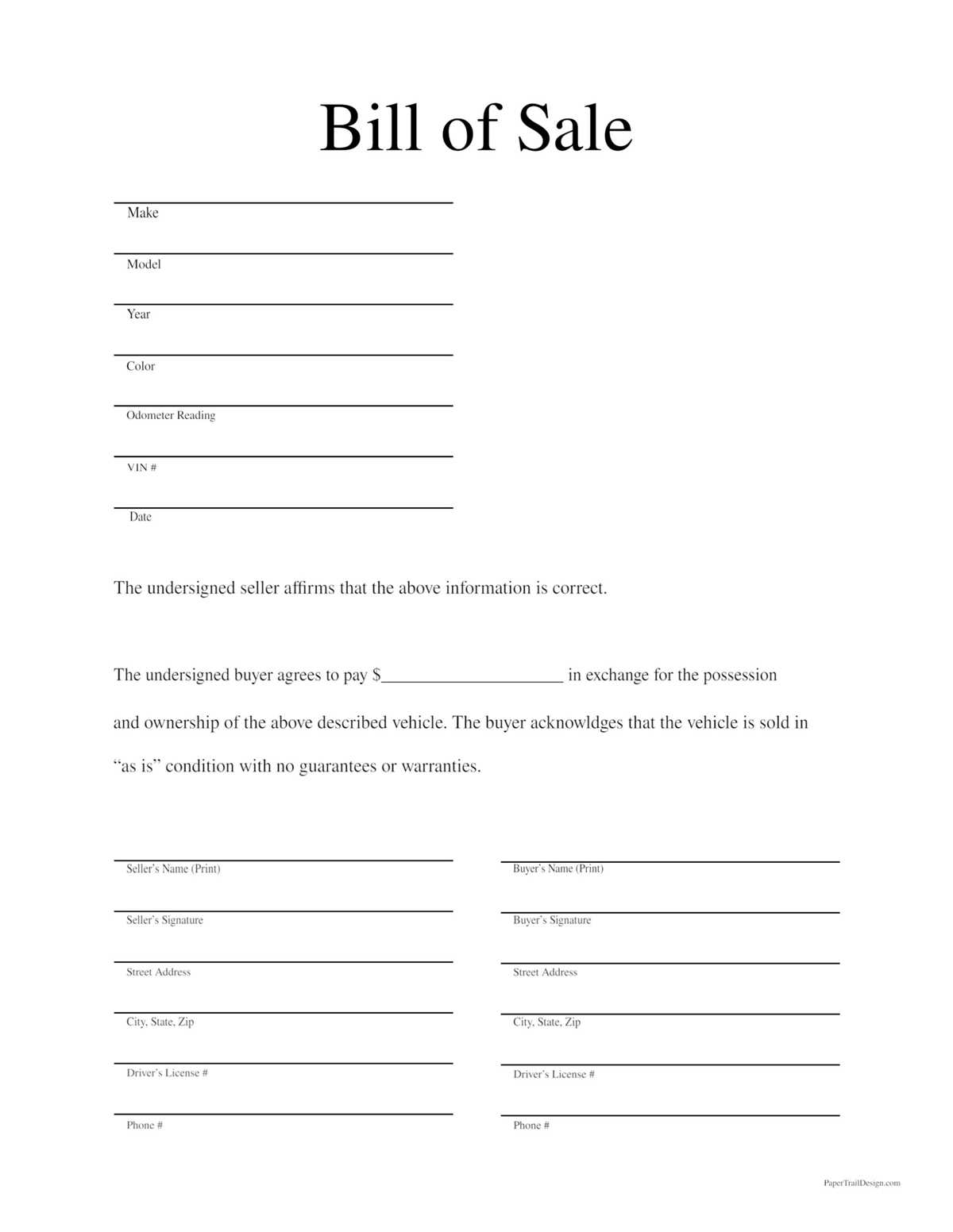
When transferring ownership of property, whether it’s a vehicle, equipment, or other items, you need a formal agreement to ensure both parties are legally protected. A property transfer contract, recognized by South Carolina law, is a straightforward way to document the transaction. This document serves as proof that a transfer has occurred and outlines the terms and conditions of the agreement between the buyer and the seller.
Steps to Complete a Transfer Agreement in South Carolina
First, make sure that all the necessary information is included in the document. This includes the full names and addresses of both the buyer and seller, a description of the item being transferred, the sale price, and the date of the transaction. Additionally, ensure that the signatures of both parties are included, as this makes the agreement legally binding.
Next, verify whether the item being transferred requires registration or title change. For example, if it’s a vehicle, both parties must take steps to transfer the title with the South Carolina Department of Motor Vehicles (DMV). You will need to complete additional forms specific to the type of property you’re transferring.
Important Legal Considerations for Property Transfers in South Carolina
South Carolina law requires that all transactions of property be clear and transparent. Ensure that the item you’re selling is legally yours to transfer and that there are no liens or encumbrances on it. If there is any doubt about the ownership status, consult with a legal professional before proceeding.
It’s also important to note that South Carolina doesn’t mandate that a notary public be present for the signing of a transfer document. However, using a notary can add an additional layer of authenticity and prevent future disputes. Make sure to keep a copy of the signed contract for your records and provide one to the buyer.
By following these steps and ensuring all necessary information is recorded accurately, you can complete a secure and legally binding property transfer in South Carolina.
How to Create a Legal Property Transfer Document in South Carolina
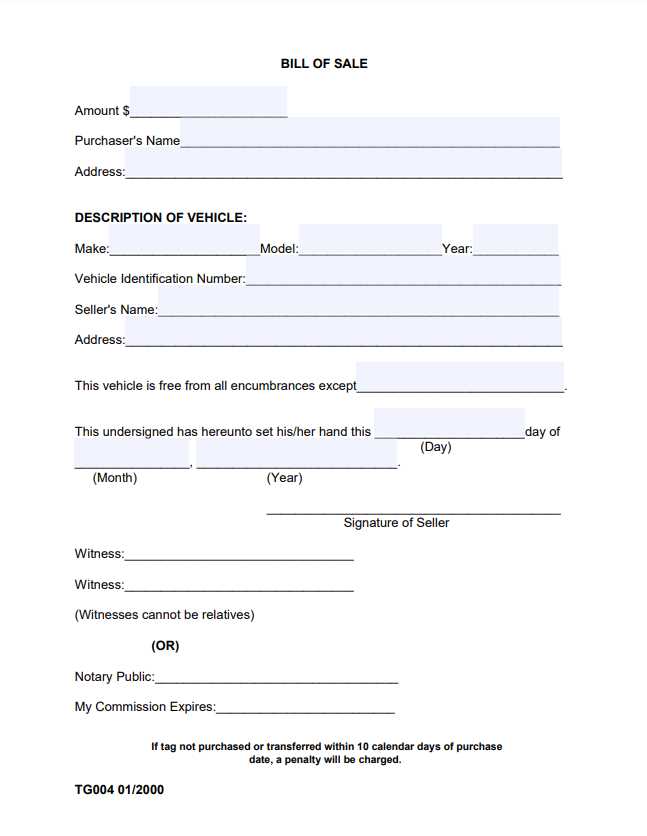
When transferring ownership of an item in South Carolina, the first step is to prepare a legal document that clearly states the transaction. This should include key information such as the buyer’s and seller’s details, a description of the item, the agreed-upon price, and the date of the transfer. Both parties must sign the document to make it binding, and it should be kept in a safe place for future reference.
For vehicles, this document must be accompanied by the transfer of the title. To do so, both parties need to visit the South Carolina Department of Motor Vehicles (DMV) to complete the necessary paperwork and update the title records. Keep in mind that any outstanding taxes or fines on the vehicle should be paid before the transfer is completed to avoid complications.
If the transaction involves goods such as equipment or furniture, the process is simpler. The document should clearly describe the item, including any serial numbers or identifying marks. While not mandatory, using a notary public to validate the transaction can prevent disputes down the line.
Another key point is making sure that the item being transferred is free of liens or encumbrances. If the item is still under a finance agreement, the seller must ensure that it is fully paid off before the transfer can take place. This can be verified through a lien search with the appropriate authority.
While not required by law, adding a clause stating that the item is sold “as-is” can protect the seller from liability for any defects after the transfer is made. If the item is being sold with a warranty or guarantees, these should be explicitly stated in the agreement.
By following these steps, both the buyer and seller can ensure that the property transfer is completed smoothly and without issues. Be sure to keep a copy of the signed document for your records and provide one to the other party as well for future reference in case any issues arise.