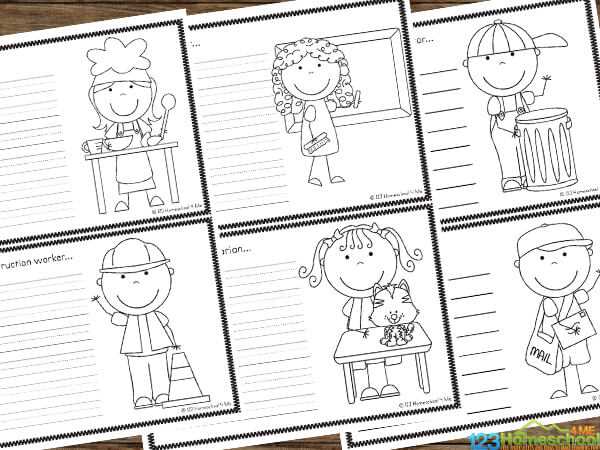
Begin by selecting resources that align with the developmental stage of your young learner. Focus on activities that build foundational skills in reading, writing, math, and motor development. Avoid overwhelming children with too many tasks–keep the learning sessions short and engaging.
How to Choose the Best Resources for Early Learning
Choose worksheets and activities that cater to the needs of young learners. For literacy, prioritize simple activities like letter recognition, word matching, and sound association. For math, begin with basic concepts such as counting, shape recognition, and simple addition and subtraction using visuals.
- Focus on engagement: Materials should be colorful, interactive, and designed to hold the child’s attention.
- Progressive difficulty: Start with easier tasks, gradually increasing the complexity as the child’s skills improve.
- Visual aids: Use images and objects to enhance learning and help children relate abstract concepts to real-life examples.
Practical Tips for Implementing a Home Learning Plan
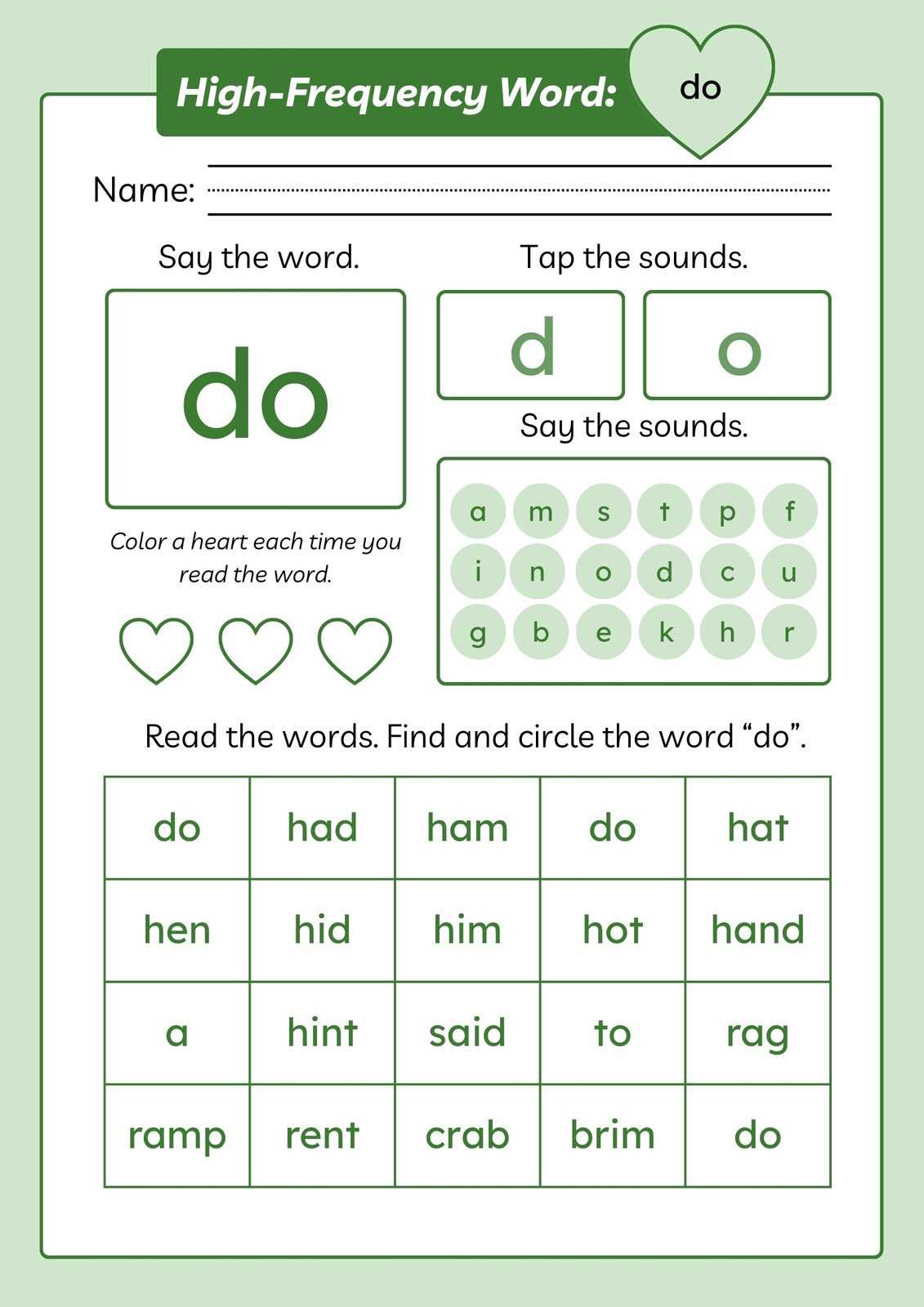
Set a consistent routine to help your child know what to expect each day. Schedule a specific time for learning activities and stick to it as closely as possible. Make learning enjoyable by incorporating games, songs, and movement into the lessons.
- Start with a fun introduction: Begin each session with a playful activity or a story to grab the child’s attention.
- Mix in hands-on learning: Allow children to work with tangible materials like blocks, drawing tools, or crafts to reinforce concepts.
- Use positive reinforcement: Celebrate achievements, even small ones, to build confidence and motivation.
Finally, be patient and flexible. Children learn at different paces, so allow them the time to grasp concepts fully before moving on. Track progress and adjust activities to ensure that your child remains engaged and challenged at the appropriate level.
How to Use Structured Learning Plans for Early Education
Focus on selecting activities that align with the child’s developmental milestones. Begin with simple tasks, like letter recognition and number identification, gradually progressing to more complex skills such as basic math operations and sentence formation.
Ensure that each lesson is short and engaging. Young learners benefit from brief, focused activities that hold their attention without overwhelming them. Mix in a variety of tasks, including drawing, puzzles, and hands-on exercises, to keep them excited about learning.
When choosing materials, prioritize resources that encourage critical thinking. Look for exercises that require the child to problem-solve, such as matching games, sorting tasks, or memory-building activities. These help develop cognitive skills while reinforcing foundational concepts.
Incorporate activities that promote fine and gross motor skills. Simple tasks like tracing shapes, cutting with safety scissors, or jumping to different colored areas on the floor can support physical development alongside academic learning.
Finally, make sure to monitor progress and adjust the difficulty as needed. Regularly assess which concepts have been mastered and which areas need more practice. Adapt lessons to keep the learning experience challenging and enjoyable for the child.