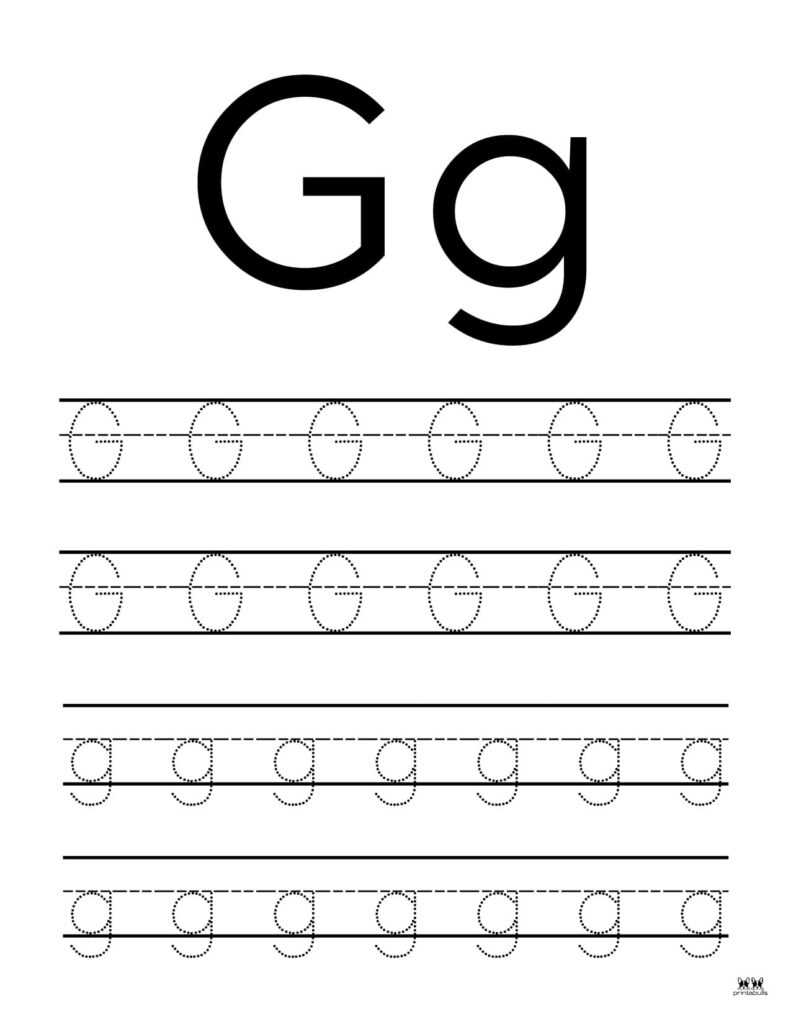
To begin, focus on worksheets that incorporate a variety of activities for children to practice writing and recognizing the letter “G”. For example, offer pages where children trace both uppercase and lowercase forms, helping them to build muscle memory for correct letter formation. Along with these exercises, include tasks that involve finding objects starting with “G” to encourage recognition of the letter in different contexts.
Where to Find Fun Activities for Learning the Letter G
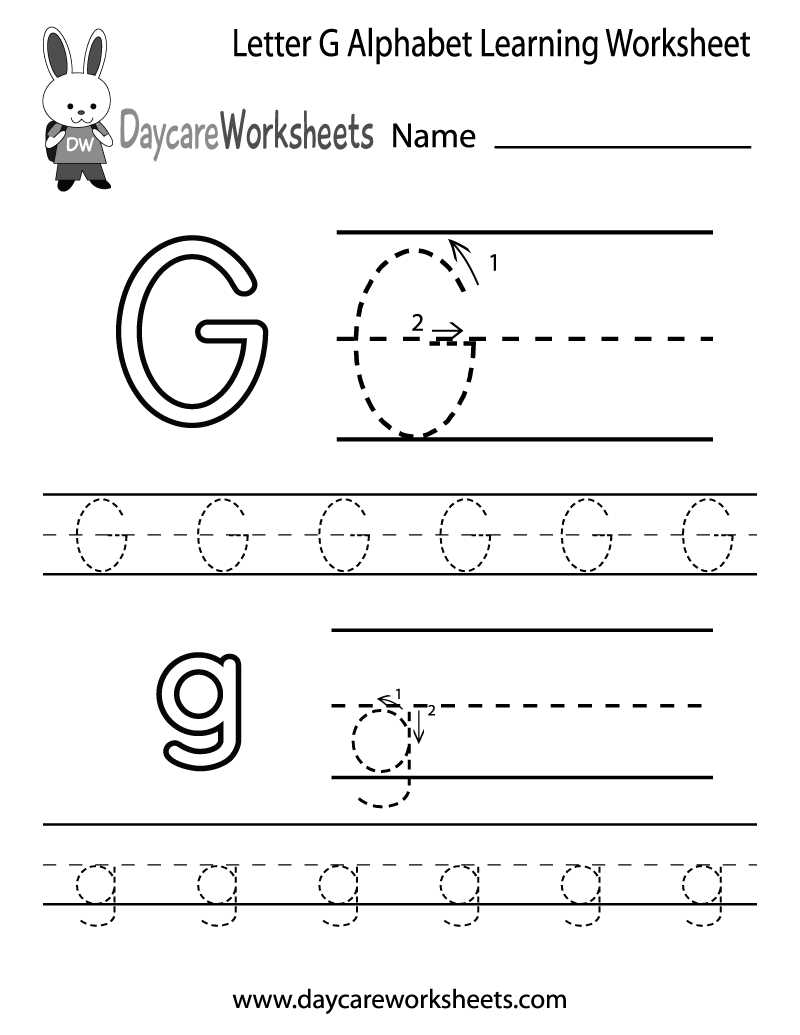
There are many websites that offer free downloadable resources focused on the letter “G”. Look for sites that provide colorful and interactive designs to keep children engaged. Resources might include coloring pages, mazes, or simple word searches, each designed to reinforce the letter “G” in an enjoyable and creative way. Some excellent sources include educational blogs, teachers’ resources, and platforms like Pinterest, which often have printable content designed by teachers.
- Interactive designs: Choose activities that include both visual and hands-on tasks to hold children’s attention.
- Printable options: Ensure the files are in a printable format, like PDFs, so they can be easily accessed and printed at home.
- Theme integration: Consider worksheets that integrate fun themes such as animals, nature, or food, using words that start with the letter “G”.
How to Incorporate the Letter G Worksheets into Learning Sessions
Once you have gathered the worksheets, consider incorporating them into a daily routine to build recognition. You could start each learning session with a quick review of the letter “G”, followed by an activity that involves either tracing or finding words starting with that letter. For example, have students complete a word search, or ask them to color objects that begin with “G”, such as grapes, giraffes, or gloves. Repetition through different types of activities reinforces the learning process.
- Repetition: Let kids practice tracing the letter several times for better retention.
- Engagement: Add fun elements like stickers or stamps as rewards for completing tasks.
- Creativity: Encourage children to draw objects starting with “G”, which strengthens their understanding of letter associations.
By integrating these engaging activities, children can build a strong foundation for learning the alphabet in a fun and educational way.
Effective Resources for Teaching the Letter G
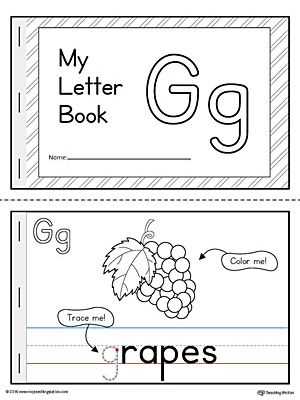
Begin with worksheets that focus on tracing both uppercase and lowercase forms. Providing ample space for children to practice writing will improve their fine motor skills and letter recognition. You can also add exercises where children match words starting with the letter “G” to corresponding images. For example, they could match a picture of a “guitar” to the word written next to it.
Another great activity involves coloring images of objects that start with “G”. Create or find simple drawings of items such as “giraffe,” “grapes,” and “glove.” Children will learn the letter in context, helping them make the connection between the shape of the letter and the objects it represents. Incorporate both large and small fonts to expose children to different forms of the letter.
For more interactive activities, include games that engage multiple senses. Flashcards are a great way to test letter recognition, allowing students to identify and name the objects that start with the target letter. You can also create a matching game where they match letters with corresponding objects or actions. For example, pairing “G” with a picture of a “goose” can help reinforce visual and auditory learning.
Printables that encourage sensory activities are also beneficial. For instance, a worksheet with letters made from textured materials or featuring space for students to draw their own “G” objects can help children engage through touch and creativity. This kind of hands-on learning aids retention and makes the process fun.
Make sure that the resources you use are diverse and include a variety of exercises. For example, integrate counting activities where children count “G” objects or add “G” items in a sequence. This helps reinforce both letter recognition and early math skills simultaneously, keeping learning dynamic and multi-dimensional.
To increase student engagement, use thematic activities. For example, a “G” for “garden” worksheet could include a series of tasks where children draw plants, flowers, or insects. The theme will not only keep students interested but also allow them to connect letters to the real world, enhancing their cognitive and creative development.
Finally, consistently revisiting the letter “G” in different formats will solidify understanding. Repetition through varied activities such as tracing, matching, coloring, and even singing songs with the letter “G” will help children internalize the letter more effectively. Consistent reinforcement in a playful context ensures that the learning process remains enjoyable and productive.