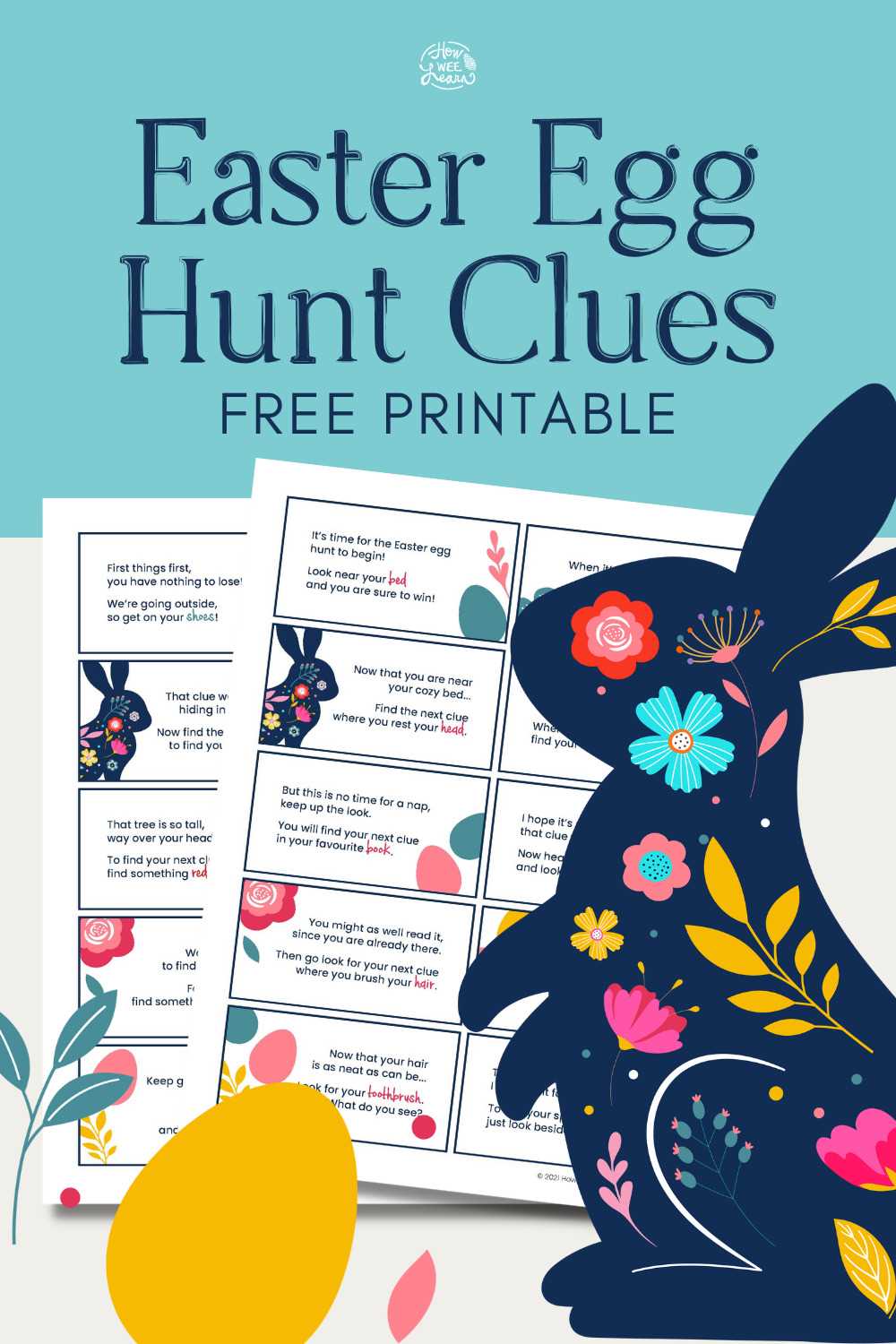
Start by designing short and simple riddles that lead participants from one spot to another. These hints should be tailored to the group’s age and familiarity with puzzles. For younger children, opt for visual or rhyming clues that are easy to follow. An example: “Look beneath where you rest your head, under the pillow, a hint is spread.” For older kids, challenge them with more intricate descriptions or wordplay.
Next, place these hints strategically in areas that are easily accessible but still provide a bit of a challenge. Don’t hide them in places that are too difficult to reach, as that might lead to frustration. Instead, use familiar objects or landmarks to guide the participants along. For example, “Where the cold food stays, you’ll find the next phase,” can lead them to the fridge or pantry.
Increase the Fun with Themed Hints
If the hunt is part of a larger event, incorporate a theme into the riddles to make the search even more engaging. A superhero theme, for instance, could involve clues related to different characters or powers. “Where a caped hero might hide, look inside where shoes reside.” Themed clues add a layer of creativity and excitement, making the treasure search feel more immersive.
For adults or teens, mix up the clues with cryptic puzzles or challenges that require problem-solving. A good way to do this is to offer puzzles that need to be solved in sequence before the next hint is revealed. For example, a simple math problem that leads to a specific number might reveal where to find the next clue. Alternatively, use a cipher or a scavenger-hunt-style task to encourage a deeper level of engagement.
Make the Final Treasure the Best Part
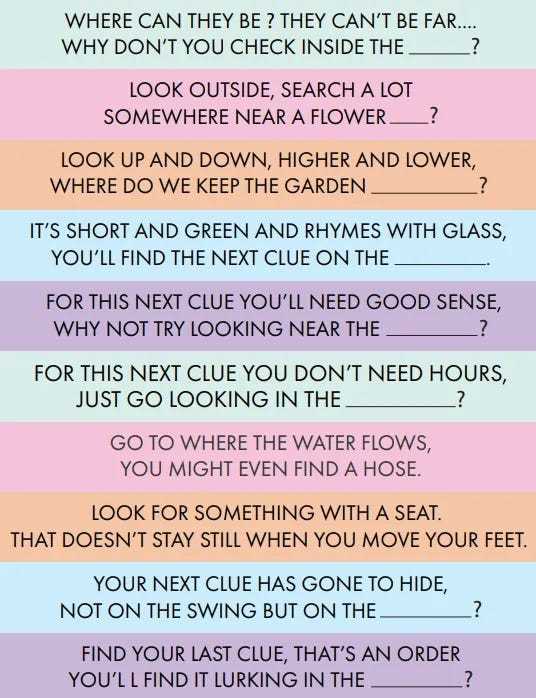
The last clue should be the most rewarding. Consider making it a larger item or a combination of smaller prizes that can be revealed at once. Keep the excitement high by guiding participants to the final location with a well-hidden clue that requires a bit of effort to solve. “The final step is near, look beneath what you hold dear,” can lead them to a box under a favorite chair or couch. This adds a sense of accomplishment and ensures everyone enjoys the outcome of their hard work.
Guide to Crafting Fun and Challenging Riddles for Your Treasure Search
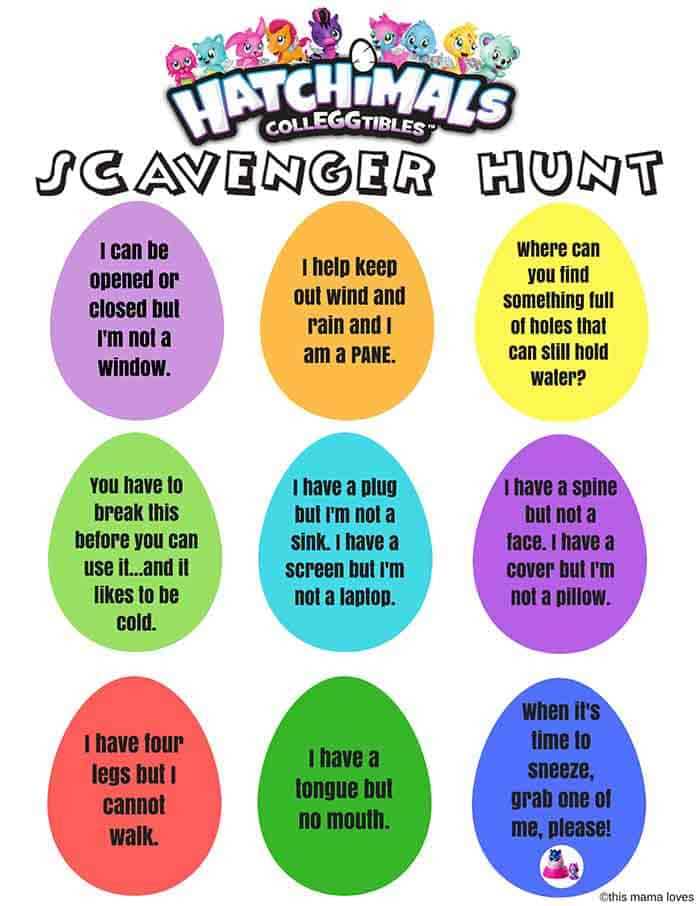
Start by tailoring your puzzles to the participants’ age group. For younger children, keep the hints simple and clear. Use easily identifiable objects like “Under the place where you rest your head” or “Where your shoes go after a long day.” For older kids or adults, introduce more complexity with wordplay, riddles, or references to everyday items that require a bit more thinking, such as “Where the heat rises, your next hint hides,” which could point to the oven or microwave.
Consider using both direct and indirect riddles to keep things interesting. Some clues should be straightforward to avoid frustration, while others can add a bit more mystery. For example, “Look where the light shines bright,” could lead someone to the window, while a trickier one like “The next step is hidden where cold air blows,” could send them to the refrigerator.
Incorporate visual hints when possible. For younger participants, a drawing or symbol can be easier to follow than a text-based riddle. For example, a picture of a chair can direct someone to check under the seat, while a small sketch of a book could hint at a library shelf or reading nook. Combining different types of clues adds variety and keeps everyone engaged.
Make the environment work for you by using common places and objects that are part of the daily routine. Use hints like “The next hint is where you get your morning drink” to guide participants to the coffee maker or tea kettle. These kinds of clues are familiar, making them fun yet still challenging without being too obscure.
If your hunt includes a theme, like a holiday or a special occasion, incorporate related elements into the riddles. For instance, for a spring-themed event, “Where flowers bloom and nature sings,” could point to the garden, while “Where the birds gather and chirp” could lead participants to the birdhouse. Tailoring the clues to the theme adds an extra layer of immersion.
Lastly, always ensure that your clues gradually increase in difficulty. Start with simpler ones that lead to easier locations and then build up to more complicated riddles or locations. This way, the thrill of discovery remains strong throughout the experience, and participants won’t lose interest early on. The final clue should be the most satisfying and rewarding, pointing to the hidden prize or ultimate goal of the search.