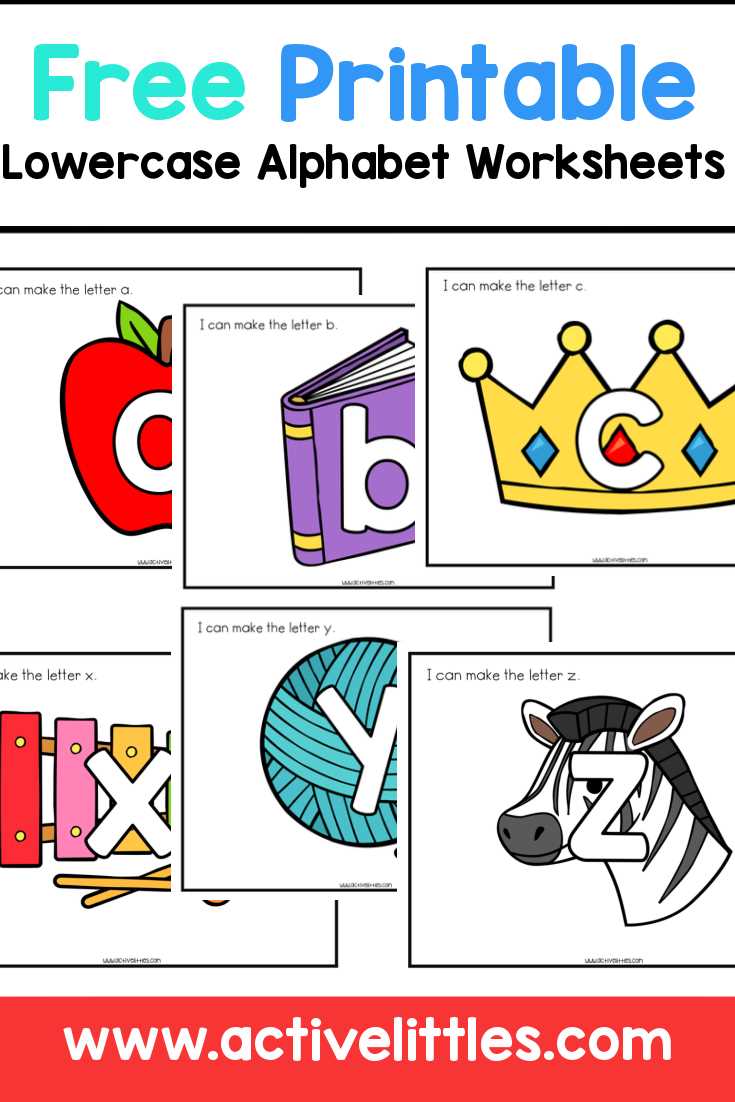
Start by using a large sheet with various “a” shapes drawn in different sizes. This allows children to trace the shapes repeatedly, helping them get familiar with the motions. Provide ample space for each letter to help with form accuracy and prevent confusion with other characters.
Using Templates for Hands-on Practice
Templates are a great way to practice. Choose ones that show a dotted outline of the character, allowing kids to trace them. Once they feel confident with tracing, encourage them to write the “a” from memory. Repeat this process daily for consistent improvement.
Incorporating Interactive Methods
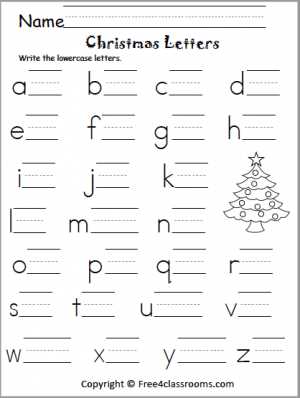
Incorporate other tools like colored pencils or markers to keep the practice fun. Let children choose their favorite colors to trace the letter or fill in different parts of the “a.” This keeps the learning engaging and reinforces motor skills. You can also use online tools where kids can digitally trace the shape to reinforce learning in a modern way.
Practice Guide for Writing the Small “a”
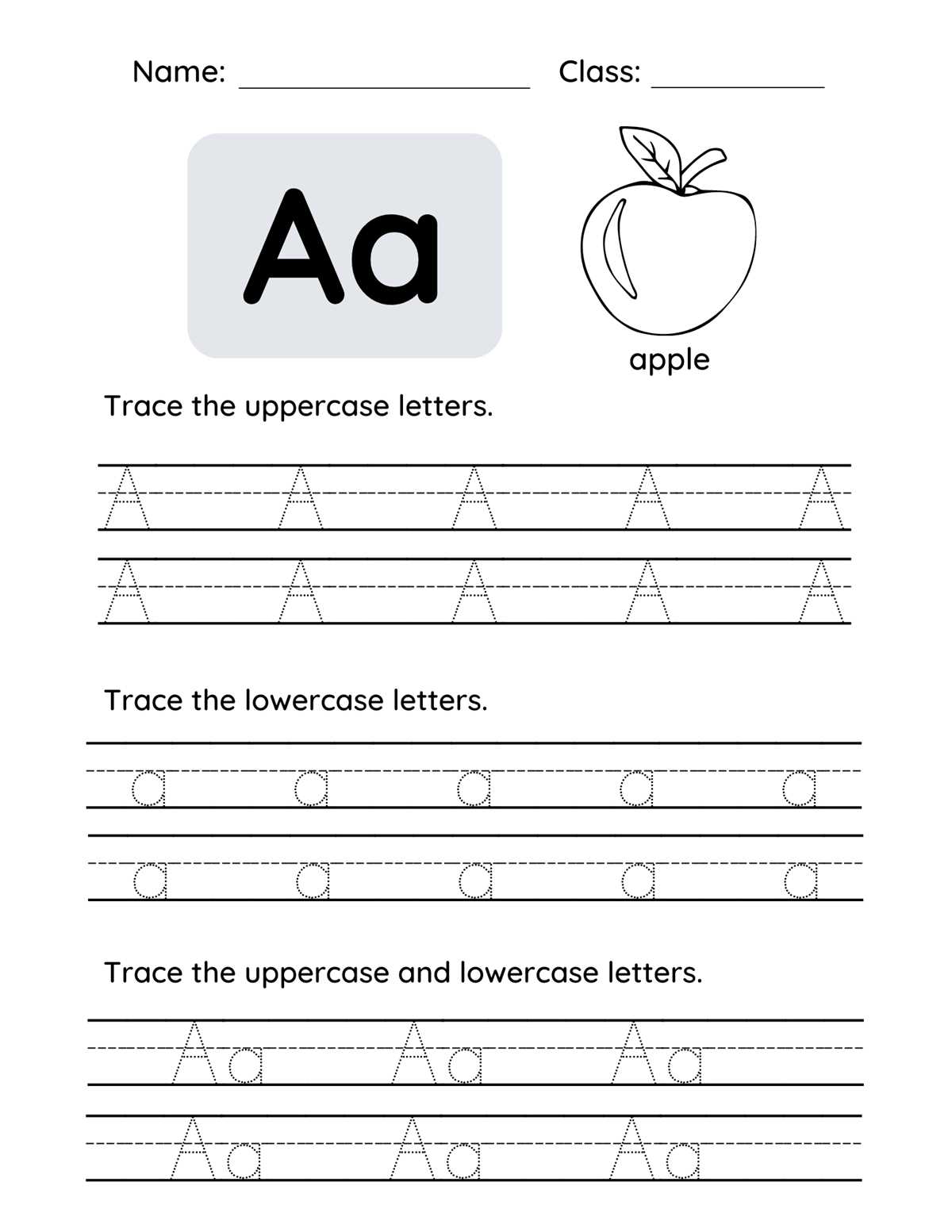
Begin by teaching the correct form of the “a” shape. It’s important to start with clear instructions on how to form it. Use a simple method where children begin with a small curve followed by a straight line that closes the curve. Demonstrating the motion while guiding them through the process can help with understanding.
Next, provide examples with different stroke thicknesses. This will help learners understand how the size of the strokes impacts the legibility of the character. Encourage tracing over these examples several times to improve muscle memory and fluidity in their writing.
Introduce worksheets with dotted outlines. This helps in guiding the child’s hand to form the character correctly. The dotted “a” offers a visual cue for starting and ending points, while also allowing learners to focus on forming the shape without worrying about spacing or alignment.
After practicing with outlines, have children write the letter freely. Start with large versions, progressing to smaller ones as they get more comfortable. This teaches them how to adjust the letter size according to the space available, which is an important skill in writing.
Incorporating creative exercises such as drawing the character in different colors or decorating it can also motivate learners. Use colored pencils or markers to create a fun and engaging activity that encourages practice while adding an element of creativity to the exercise.
Finally, repeat this practice regularly. Set a daily writing goal for learners, gradually increasing the difficulty by introducing new words that include the “a” character. Consistency in practice will ensure that the letter is written clearly and accurately over time.