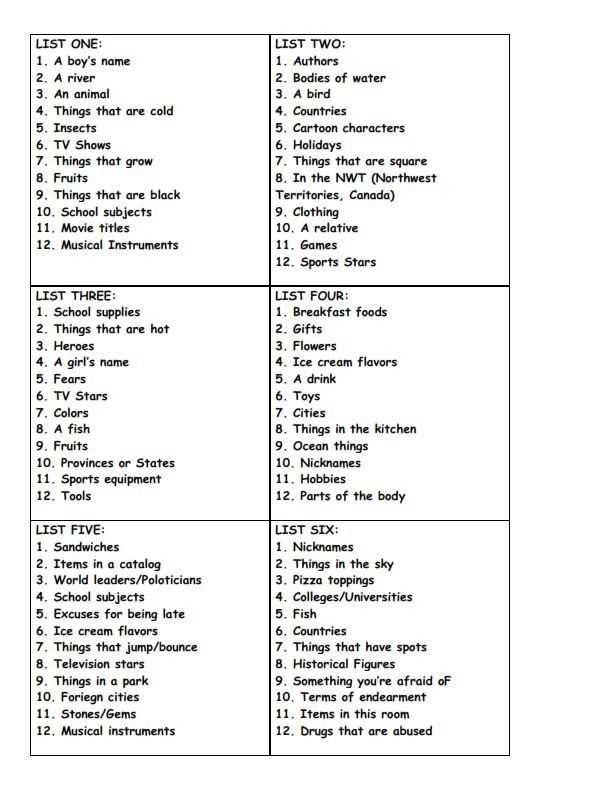
Start by choosing themes for your game. Use common categories like “Animals,” “Cities,” or “Food” to create excitement and a broad range of options for players. You can easily craft new topics based on your group’s interests, such as “Movie Titles” or “Famous Athletes.” Try to keep it engaging by mixing fun and challenging themes.
Make sure each round has a clear structure. Write down the categories on a separate sheet for easy reference, so everyone knows what to write under each letter. For variety, consider adding timed challenges, such as limiting each round to two minutes. This makes the game faster and adds an element of excitement, as players race against the clock.
When creating new rounds, focus on keeping the categories balanced. Too many broad topics might make it easier for players, while very specific categories could limit creativity. Think about the skills and knowledge of the players to ensure they are engaged without feeling overwhelmed or bored.
Creating Fun and Challenging Categories for Your Game
Start by selecting broad and fun categories that everyone can participate in. Examples like “Animals,” “Famous Landmarks,” and “Food Items” are common and easy to understand. For a more customized experience, you can also add unique themes like “Things in Space” or “Historical Events.” Ensure that each category offers a wide range of options so all players have a chance to contribute creatively.
Be sure to balance difficulty. While some categories should be easy for everyone, others should challenge players’ thinking and knowledge. Try incorporating specific areas like “Rare Fruits” or “Countries with no vowels” to spice things up. Adjust the level of difficulty based on the group’s age and knowledge. This balance keeps the game engaging for all skill levels.
For a faster-paced game, use a timer for each round. Giving players only a few minutes to come up with answers can create tension and fun, pushing them to think quickly. Consider adding some unusual rules, such as banning certain common answers, to keep things interesting and unpredictable.
Finally, mix up the category types. Some could focus on letters, while others might require players to think of items that belong to a certain theme. This variety keeps the game fresh and ensures that no one is left bored. Rotate between different types of prompts to keep everyone on their toes throughout the session.
How to Create Your Own Game Categories
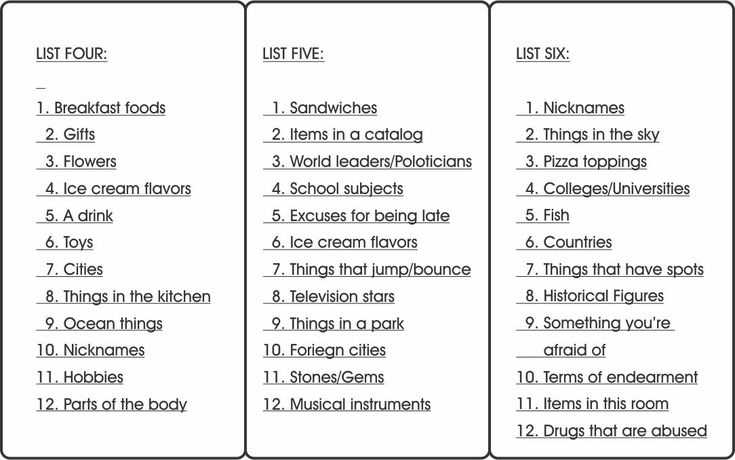
To start, think about the people who will be playing. For younger audiences, opt for general and easy categories like “Fruits,” “Things You Find in a School,” or “Cartoon Characters.” These categories are simple, fun, and help keep the game lighthearted. For older players, consider more challenging or obscure categories like “Philosophers,” “Rare Diseases,” or “NASA Space Missions.”
Once you have your target audience in mind, decide if you want the categories to be letter-based or theme-based. In a letter-based game, players must come up with items that begin with a certain letter. For a theme-based format, focus on specific subjects, like “Summer Activities” or “Types of Ice Cream.” You can even combine both formats for variety.
To add more creativity, incorporate categories that are a little quirky or abstract. For example, you could use “Things You Can’t Touch,” “Objects That Are Round,” or “Things that Make Noise.” This forces players to think outside the box, keeping the gameplay exciting and unpredictable.
Another idea is to create categories based on current events or popular trends. For example, “Movies Released in 2023,” or “Popular Social Media Trends” can be great for modern or younger audiences. These types of categories ensure the game remains timely and engaging for everyone involved.
If you’re feeling adventurous, consider creating categories that involve multi-step thinking, like “Famous Quotes from Movies” or “Foods That Begin with the Same Letter as a Country.” These categories can challenge players to think through both the word and the context, increasing the difficulty level.
Additionally, you can tailor the game based on the number of players. For example, with a larger group, you might want broader categories like “Types of Trees” or “Famous Cities.” For smaller groups, narrower categories like “Breakfast Foods” or “Animals with Four Legs” will keep the game moving without overwhelming anyone.
Finally, don’t forget to add your own personal twist. Whether it’s using themes from inside jokes, favorite TV shows, or hobbies, custom categories will make the game feel more personalized and fun. A well-thought-out mix of easy, hard, and creative categories is the key to a memorable game session.