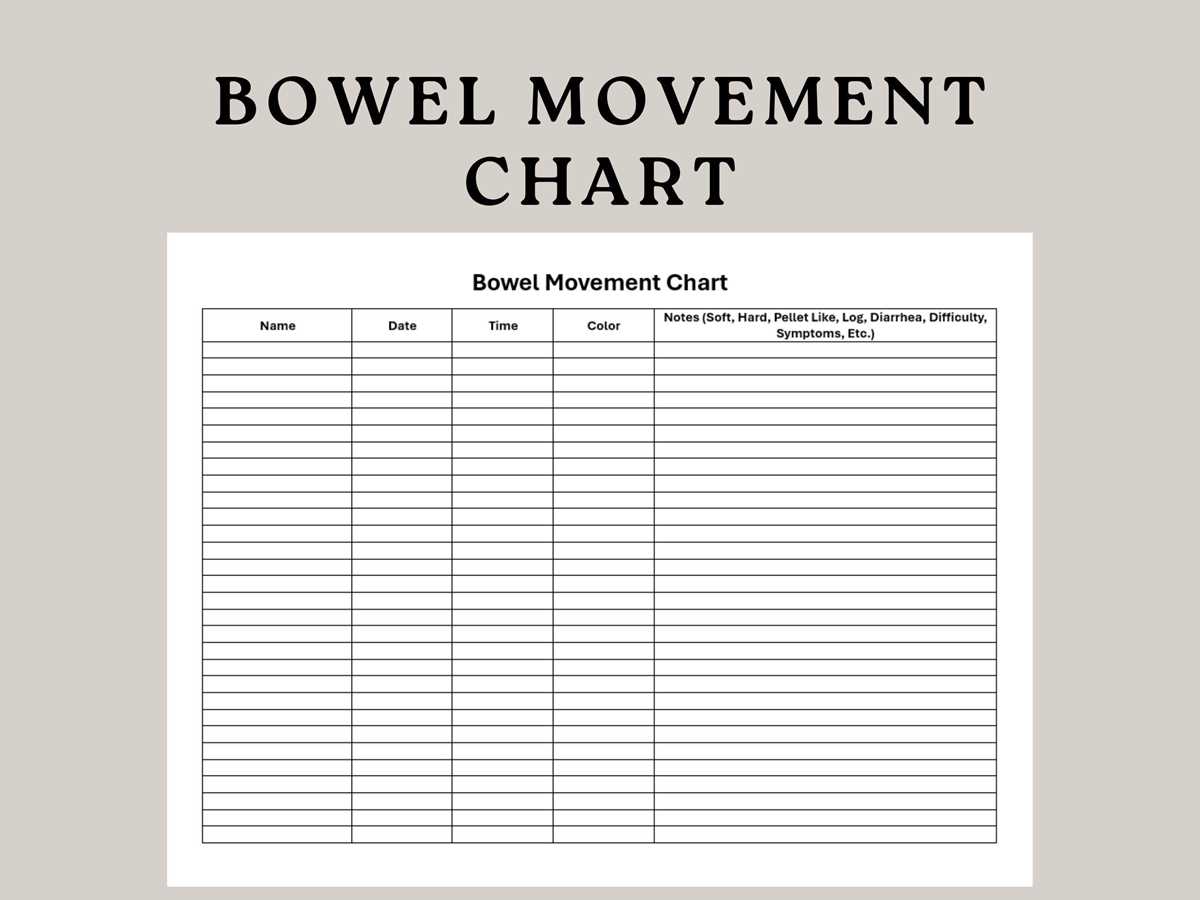
Keeping track of your daily stool patterns can provide valuable insights into your digestive health. A simple, visual tracking tool can help you note consistency, frequency, and any unusual changes. Observing these aspects regularly may assist in identifying potential dietary, lifestyle, or health issues early on.
Use this tracking sheet to record your daily observations. Mark the type, texture, and time of day, and note any discomfort or irregularities. This can help spot patterns over time and identify what foods, beverages, or habits may be influencing your digestive system.
For better accuracy, try to track for at least a week or two. Comparing your entries will give you a clearer picture of your gut health and may reveal correlations between what you eat and how you feel. Such records can be especially useful when discussing your health with a healthcare provider, helping them understand any digestive concerns more precisely.
Tracking Your Digestive Health: A Helpful Tool
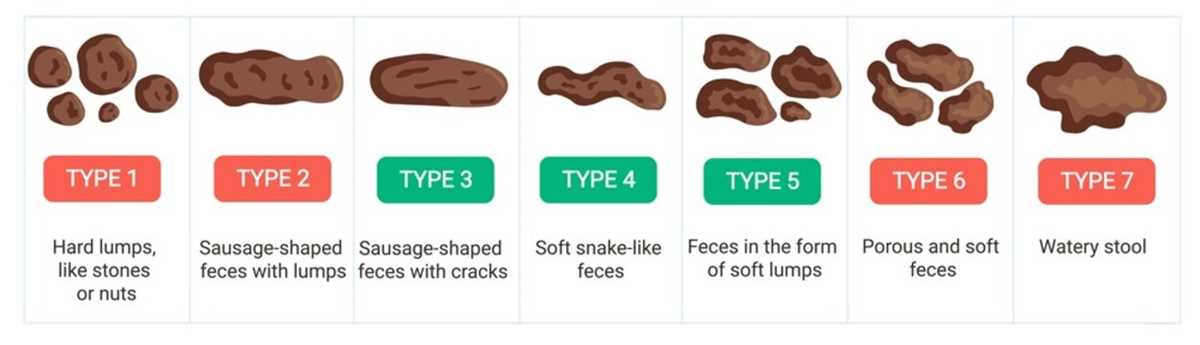
To monitor your digestive system effectively, keeping a record of your daily habits is key. A simple tracking tool can help you identify patterns or concerns related to your body’s waste elimination process. It allows you to observe your overall health and spot any irregularities, such as changes in consistency or frequency.
Start by noting the time of day, frequency, and any discomfort associated with each visit to the restroom. These details can reveal valuable information about hydration, diet, and stress levels. Additionally, recording any dietary changes will provide insights into how certain foods influence your system.
For those who struggle with constipation or irregularity, documenting the time between each occurrence can help pinpoint triggers. Regular monitoring helps determine if a change in diet or lifestyle could improve the situation. A well-maintained log lets you quickly notice any significant shifts.
Include any symptoms you experience during or after the process, such as bloating, pain, or urgency. This will help you better understand what is normal for your body and what might indicate an underlying issue. Consistent tracking can also be used in consultations with healthcare providers.
- Record consistency using a scale like the Bristol Stool Scale to help identify possible imbalances in your digestive health.
- Note any medications you are taking, as these can influence your digestive processes.
Make sure to update your log every day. If you miss a day, it could lead to inaccuracies. Inaccurate or incomplete tracking may delay the identification of issues, making it harder to detect patterns and track progress.
Tracking this information regularly not only empowers you to take control of your digestive health but also assists medical professionals in diagnosing potential conditions. It’s a practical approach that supports both prevention and proactive health management.
How to Use a Printable Bowel Movement Chart for Tracking Digestive Health
Record the details of your daily stool patterns, including consistency, frequency, and any discomfort. Use the designated sections for observations like color, shape, or odor. These markers help detect potential issues such as dehydration, food intolerances, or imbalances in gut flora. Tracking every day allows you to spot trends or deviations in your routine and address concerns quickly.
Review the recorded information periodically to identify patterns. If you notice consistent irregularities, such as persistent diarrhea or constipation, these may signal an underlying digestive disorder. Discuss your findings with a healthcare provider to get a clearer understanding of any dietary or lifestyle adjustments needed. Regular monitoring can provide critical insight into your digestive well-being, guiding your approach to improving health.