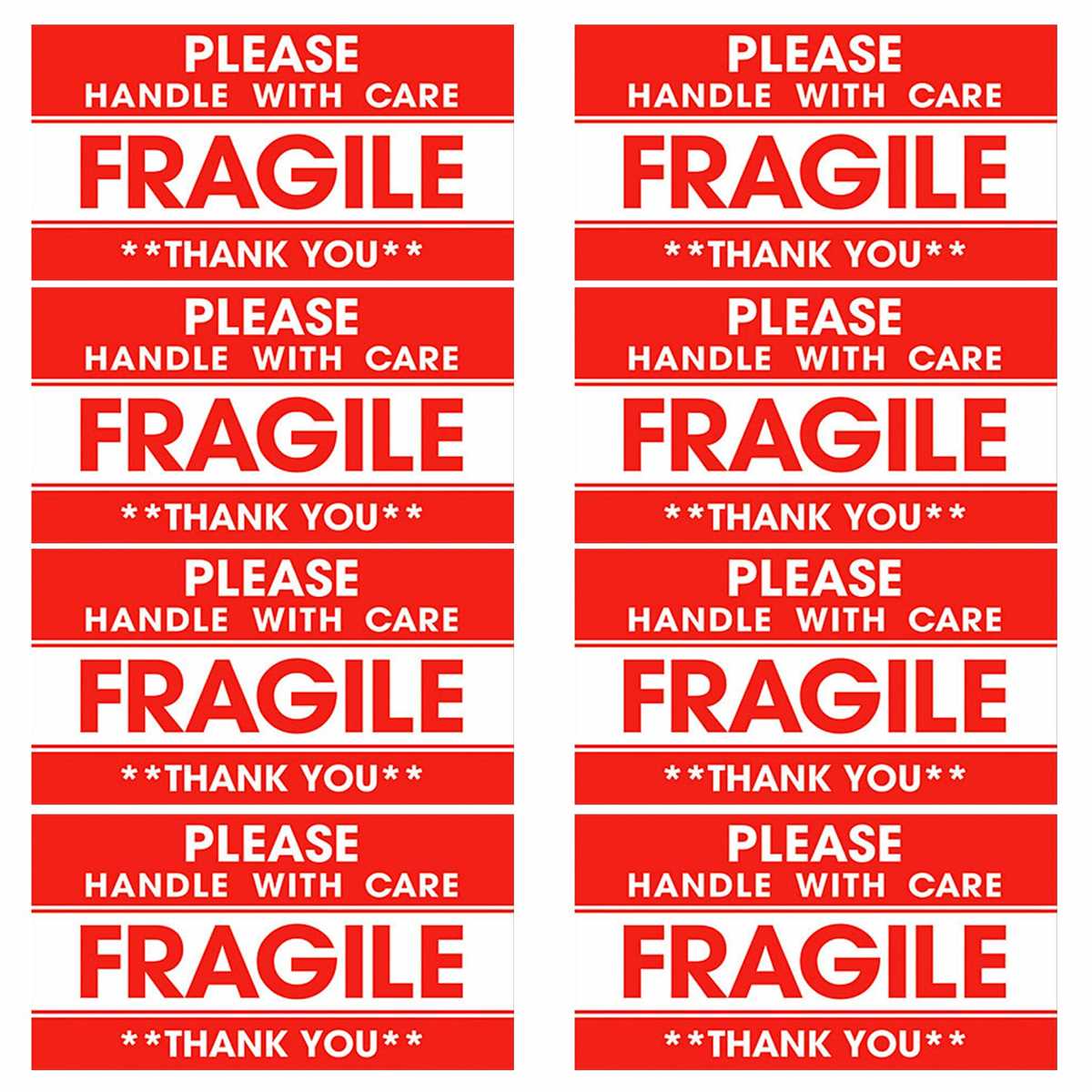
For businesses that handle delicate products, printing clear and resilient markings is key to ensuring safe transportation and handling. Selecting the right materials for these indicators is the first step. Use adhesive sheets that are durable yet easily customizable, allowing you to print strong warnings directly onto the surface. Choosing the right paper type, such as synthetic or polyester-based options, can increase longevity and resistance to wear and tear. These materials are designed to last under rough handling, ensuring that important notices remain visible throughout shipping.
Consider using inks that are resistant to smudging, water, and fading. UV-resistant inks or laser printing methods work best, as they offer better durability compared to traditional inkjet prints. Test different ink types to ensure they adhere well to the surface without bleeding or fading over time. For added protection, you might apply a clear laminate over the printed area, which enhances the print’s ability to withstand moisture, abrasion, and other environmental factors.
Another key factor is the size and placement of the warning. It’s best to make the markings large enough to be easily seen but not so oversized that they take up too much space on the packaging. Center your message in a way that is intuitive for handlers to notice, and always use high-contrast colors, such as red or black on white, to improve visibility.
To ensure accuracy and consistency across multiple packages, invest in reliable printing equipment. Whether using a desktop printer for small batches or an industrial model for larger runs, make sure your machine is calibrated to handle the selected materials effectively. This prevents misprints and ensures that every package is marked correctly, reducing the chances of errors that could lead to accidents or damage.
How to Create Impactful Shipping Stickers
To make sure your packages are handled with care, print high-visibility indicators that clearly communicate the need for delicate treatment. Use bold, legible fonts and striking colors, such as red or orange, to grab attention. Position the indicator in the top center of the package, ensuring it is visible from all angles. Avoid cluttering the design with unnecessary information–clarity is key. A simple, large symbol accompanied by a short, direct message will suffice.
If you’re designing your own warning tags, it’s best to use high-quality adhesive paper compatible with inkjet or laser printers. This ensures that the text remains sharp and the adhesive holds up during transit. Additionally, ensure that your printer settings match the paper type for optimal results. Once printed, always test a few tags to verify durability against scratches and water exposure.
- Choose a simple design with a bold icon or text for immediate recognition.
- Ensure the material you print on withstands moisture and rough handling.
- Double-check the quality and visibility of your printed product before mass printing.
How to Design Custom Printable Fragile Labels for Different Packaging Needs
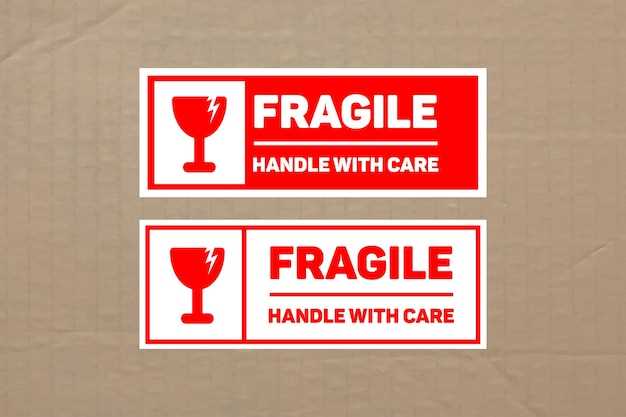
To create an impactful design, focus on using bold and clear typography with a high contrast between text and background. Choose legible fonts with clean lines, avoiding overly decorative styles. Place a clear warning message that indicates the contents should be handled with care, ensuring it’s visible from a distance. Use contrasting colors like red, yellow, or black to grab attention and improve legibility on various surfaces. Keep the design simple, as excessive information can clutter the message and reduce its effectiveness. Incorporating easy-to-understand symbols like a broken glass icon will further reinforce the need for caution.
Consider the material of the packaging and how the adhesive interacts with it. For corrugated cardboard, a strong adhesive is necessary to prevent the marking from peeling off during transit. For fragile items in glass containers or electronic packaging, opt for a more durable option, such as vinyl stickers, which adhere well and resist tearing. Also, take into account the environmental conditions in which the package will travel, as weather-resistant options can ensure the label remains intact through rain or humidity. Tailor the design and materials to suit the product’s specific transportation and storage needs for optimal protection.