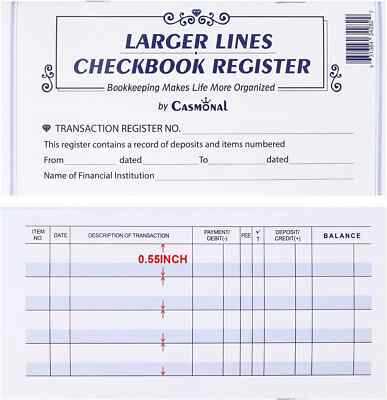
Maintaining a clear record of your expenditures and deposits is a straightforward method for staying organized and on top of your budget. With a simple tracking tool, you can easily follow the flow of money, ensuring no details go overlooked. Whether for personal or household use, setting up an easy-to-follow chart makes keeping financial records manageable.
Key Benefits of Using a Manual Log
A well-maintained log sheet helps avoid overspending and provides a quick overview of your financial status. By regularly noting down payments and deposits, you minimize the risk of forgetting important transactions. The benefits of using such a tool include:
- Clarity: Easily track income and expenses at a glance.
- Prevention: Reduce the risk of errors when balancing accounts.
- Control: Keep a better eye on your financial habits, making it easier to spot where you can cut back.
- Accuracy: With a paper trail, verifying previous transactions becomes straightforward.
How to Set Up Your Tracking Sheet
Setting up your financial tracker is quick and can be customized to fit your needs. A few important fields to include are:
- Date: Record the day of each transaction.
- Description: Note the purpose of each transaction, whether it’s a bill payment, purchase, or deposit.
- Amount: Document the amount spent or deposited.
- Balance: After each transaction, update your current balance.
Once you’ve set up your columns, it’s important to stick to a routine of updating this log after every transaction. It may take some effort initially, but once it’s a habit, maintaining it becomes second nature.
Additional Tips for Effective Financial Tracking
- Consistency: Make it a habit to update your sheet daily to prevent missing any entries.
- Separate Categories: Consider categorizing your expenses to understand where most of your money is going. Categories might include groceries, entertainment, utilities, etc.
- Review Regularly: Take a few minutes at the end of each week or month to review your entries. This helps identify trends and areas for improvement.
Staying on Track
The key to long-term success with a manual ledger is discipline. Without continuous updates, this method loses its effectiveness. Make it a point to be as detailed and consistent as possible. If any mistakes are made, correct them immediately to avoid any confusion later on.
By using this simple yet effective tool, you’ll have a more transparent view of your finances, making it easier to stay within budget and achieve your financial goals.
Managing Your Finances with a Simple Expense Tracker
To keep accurate records of your bank transactions, consider using a well-structured tracking sheet. This tool helps maintain a clear view of deposits, withdrawals, and any associated fees, ensuring you never miss a payment or balance discrepancy. Simply document the transaction date, amount, and the purpose of each entry to stay organized. Having a system for these records can simplify monthly reconciliations.
Instead of relying solely on online banking, a manual approach gives you greater control and visibility. You can use pre-designed templates that allow you to easily input transaction details like check numbers or amounts spent. Customize these pages based on your needs, whether you’re managing a household budget or tracking business expenses. Such a system can save time and reduce errors, especially for those who prefer handwritten records over digital formats.
Track your spending by using a clearly laid-out document that includes columns for date, description, amount, and running balance. This approach prevents overspending and allows you to identify patterns in your expenses. Whether you’re preparing for a large purchase or keeping track of smaller payments, maintaining this routine helps you remain financially disciplined.