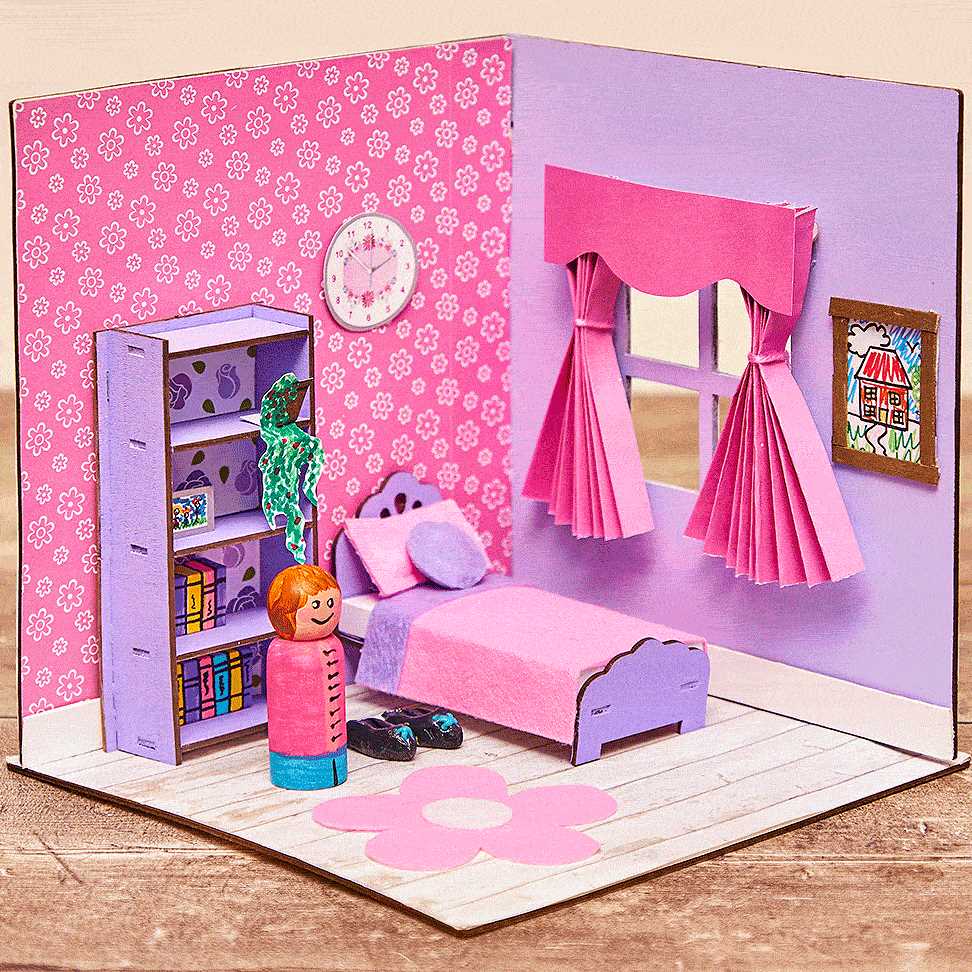
Choosing the Right Materials
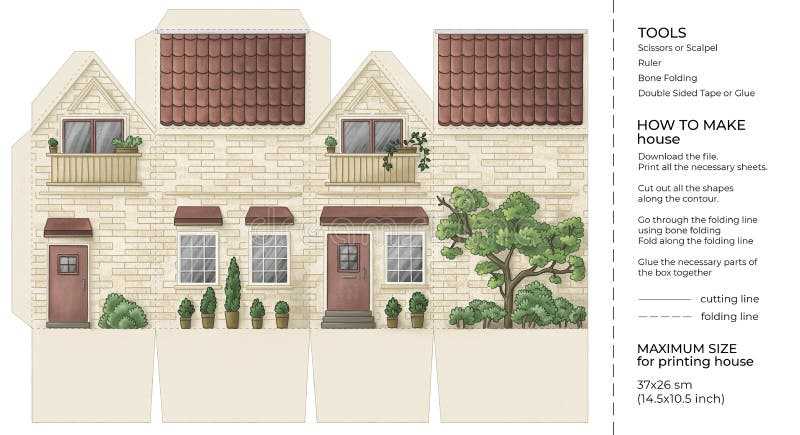
Start by selecting a durable cardstock or lightweight cardboard for constructing your model. This will provide enough sturdiness while keeping it easy to cut and assemble. Look for colored sheets to add extra visual appeal without needing additional paint or decoration.
For smaller projects, you can use scissors for simple cutting tasks. However, if you plan to work on detailed areas or thick layers, a craft knife offers precision. Make sure to use a cutting mat underneath to avoid damaging surfaces.
Step-by-Step Assembly Instructions
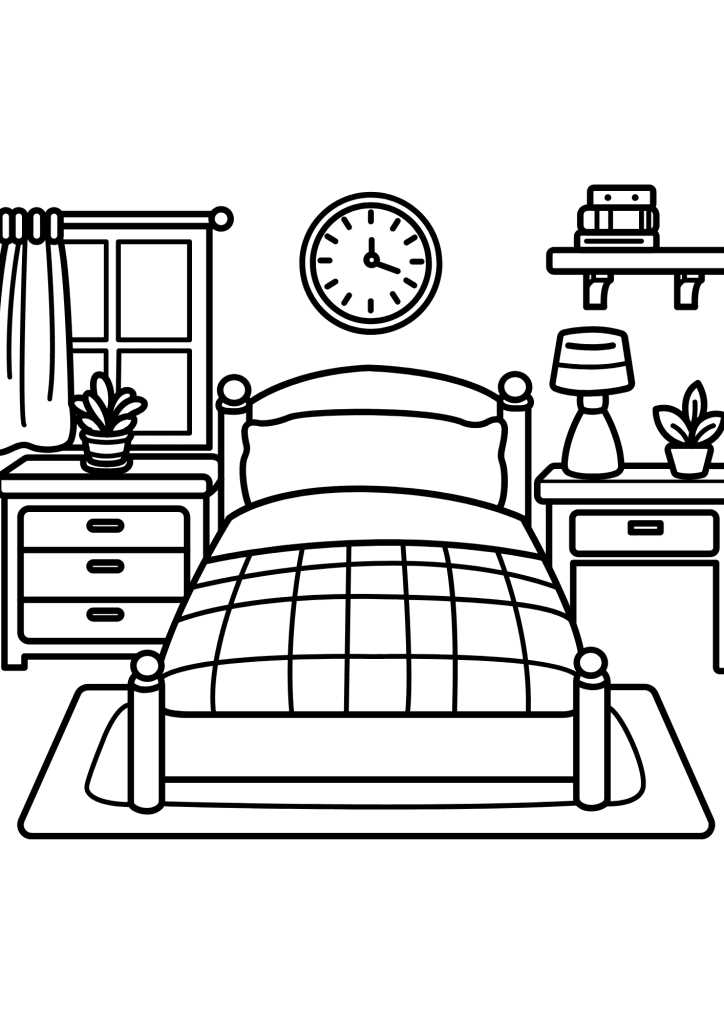
Once you’ve got the materials, begin by printing the templates you want to use. Many websites offer free designs that can be downloaded and printed right at home. Choose from different themes like a mini living room, bedroom, or kitchen. After printing, carefully cut out each piece following the edges marked in the template.
Assemble the pieces step by step, using a strong adhesive like glue stick or craft glue to hold them together. Start with the base and work your way up to avoid collapsing parts. Make sure the structure is secure before adding any decorative details like furniture or curtains.
Adding Personal Touches
After the basic structure is in place, consider personalizing the model with tiny accessories. You can create miniature furniture using leftover cardboard or buy small plastic figures. Customize the interior with fabric swatches for carpets and curtains, or use stickers for wall art. This adds a unique element that makes the project more engaging for your child.
Where to Find Templates and Design Ideas
Several websites provide free and easy-to-use templates that you can download and print directly. Sites like Canva, Adobe Spark, or specialized craft forums host a variety of models to choose from. Some even let you adjust the scale for bigger or smaller designs, depending on your available space.
For those interested in more complex projects, you can also find templates for multi-room setups or entire miniature villages. These templates come with clear instructions and a materials list to help you get started.
How to Create a Fun Miniature Home Model
Select a lightweight, sturdy material for crafting your model, such as thick cardstock or light cardboard. These materials will hold their shape well and are easy to cut into intricate designs. Use printable templates to save time on initial cuts, and ensure they fit your intended project size.
For a polished result, use a craft knife for detailed cutting. This will allow you to create clean edges around windows, doors, and other small features. When cutting intricate designs, make sure to work slowly to avoid mistakes that could damage your template or project.
After assembling the basic structure, focus on personalization. Customize the rooms with hand-drawn furniture or small accessories. For walls, consider using patterned paper or fabric swatches to simulate wallpaper or upholstery. Adding mini decorative items will make the model come alive.
Search online for free resources, such as printable blueprints or design ideas, available on various craft sites. Websites like Pinterest and Etsy provide templates with various themes, from classic styles to more whimsical designs. Some resources even let you adjust the scale, which is ideal for different size preferences.
Once the structure is complete, consider adding finishing touches like tiny curtains or wallpaper. Stickers can be useful for wall art, and small plastic objects like toy furniture can be used to furnish the rooms. This final step adds charm and makes the entire model more engaging for imaginative play.