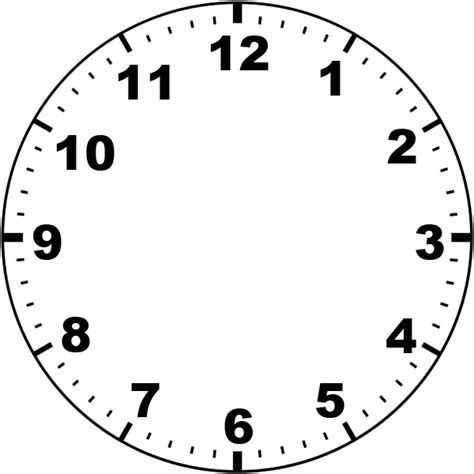
Select a clean dial layout in A4 or US Letter format with a 1:1 scale and clear minute markers at 5-minute intervals. Choose versions with bold numerals (1–12) at least 18 pt in size for early learners, or blank designs for number writing practice. Keep outer diameter between 10 and 15 cm for desk activities, and add a 3 mm center hole guide to attach movable hands with a paper fastener.
Use thick paper from 160 to 200 gsm to prevent bending during repeated handling, and print in high contrast black on white to improve visibility from a 2–3 meter distance in classrooms. Include tick marks for all 60 minutes and slightly longer marks at each quarter hour. For craft projects, provide both Roman and Arabic numeral versions, plus a minimalist ring without digits for labeling exercises. Add separate hour and minute hands scaled at 60% and 90% of the radius to maintain accurate proportions.
Clock Faces Printable Templates for Teaching and Craft Projects
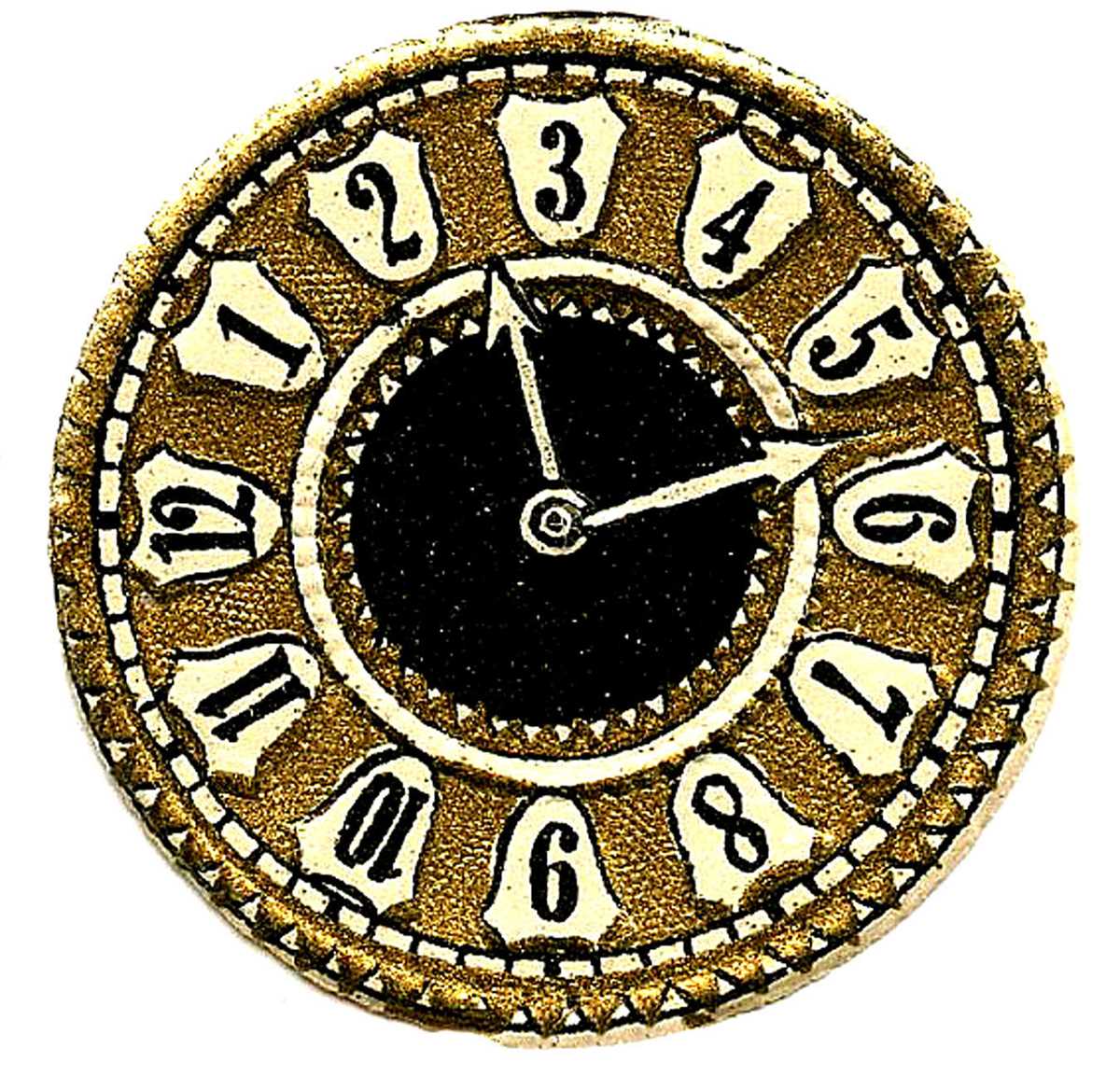
Choose dial worksheets with a diameter between 12 and 18 cm to balance readability and paper use. For classroom drills, select versions with all 60 minute ticks clearly marked and numerals placed slightly inside the outer ring to leave space for cutting. Keep line thickness at 1–1.5 pt so markings remain sharp after multiple copies.
Provide two variations: one with digits 1–12 in bold sans serif type at 20–24 pt, and another blank ring without numbers for labeling tasks. This allows students to practice writing hour markers in correct positions at 30-degree intervals. Include faint guide dots at each 5-minute step to help with accurate spacing.
For craft activities, add separate hour and minute indicators scaled proportionally to the dial radius. The shorter pointer should reach 50–60% of the circle, while the longer one should extend to 90–95%. Place a small center crosshair to show where to insert a brass fastener so the pointers rotate smoothly.
Use paper weight between 160 and 220 gsm when the template will be cut and assembled. Thinner sheets crease near the pivot point after repeated movement. If laminating, leave a 3 mm margin around the edge to prevent peeling.
Offer Roman numeral versions for history lessons and minimalist designs without digits for testing time-reading skills. Ensure that IV and IX are correctly positioned at 120 and 240 degrees to avoid confusion.
When preparing files, keep resolution at 300 dpi and export in PDF format to maintain scale accuracy on both A4 and US Letter. Disable automatic page scaling in printer settings so the circular layout does not distort.
Store finished teaching sets in labeled envelopes with pre-cut pointers and spare fasteners. This reduces setup time and allows repeated use across multiple lessons focused on hour, half-hour, and quarter-hour recognition.
How to Choose Blank or Numbered Dial Layouts for Time Practice
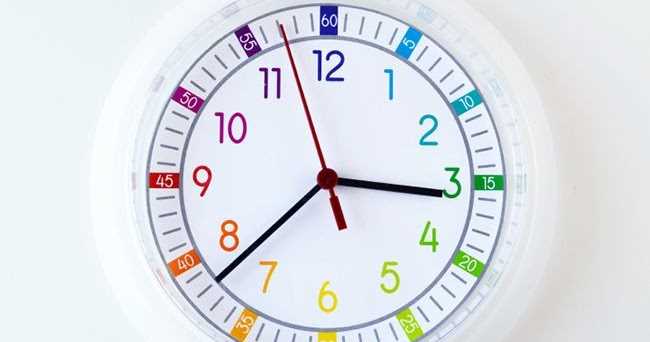
Select numbered circular templates when introducing hour recognition to early learners. Clear digits from 1 to 12 placed at precise 30-degree intervals help students connect spoken time with visual position. Use bold numerals at least 18 pt in size to maintain readability from a distance of two to three meters.
Switch to unlabeled round diagrams once learners can identify hours without prompts. A clean ring without digits encourages recall and spatial reasoning. Keep minute tick marks visible so students still have reference points at each 5-minute segment.
For mixed-ability groups, prepare both variants in the same diameter, such as 15 cm, so worksheets remain consistent. Consistent scale prevents confusion when comparing answers between numbered and unnumbered versions.
If the goal is minute precision, choose layouts with all 60 tick marks evenly spaced at 6-degree intervals. Thin lines at 0.5–0.75 pt reduce visual clutter while preserving accuracy.
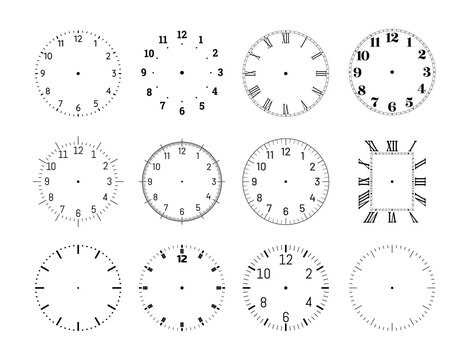
Roman numeral designs suit history or advanced reading tasks. Confirm correct placement of III at 90 degrees and VI at 180 degrees to reinforce orientation skills.
For assessment sheets, remove minute ticks entirely and retain only hour markers. This format tests understanding without visual hints.
When printing, disable automatic resizing to keep proportional spacing exact. A 100% scale setting ensures that angles between markers remain accurate.
Store different versions in labeled folders indicating digit style, tick density, and diameter. Organized sets allow quick selection aligned with lesson objectives such as hour-only drills, quarter-hour tasks, or full-minute exercises.