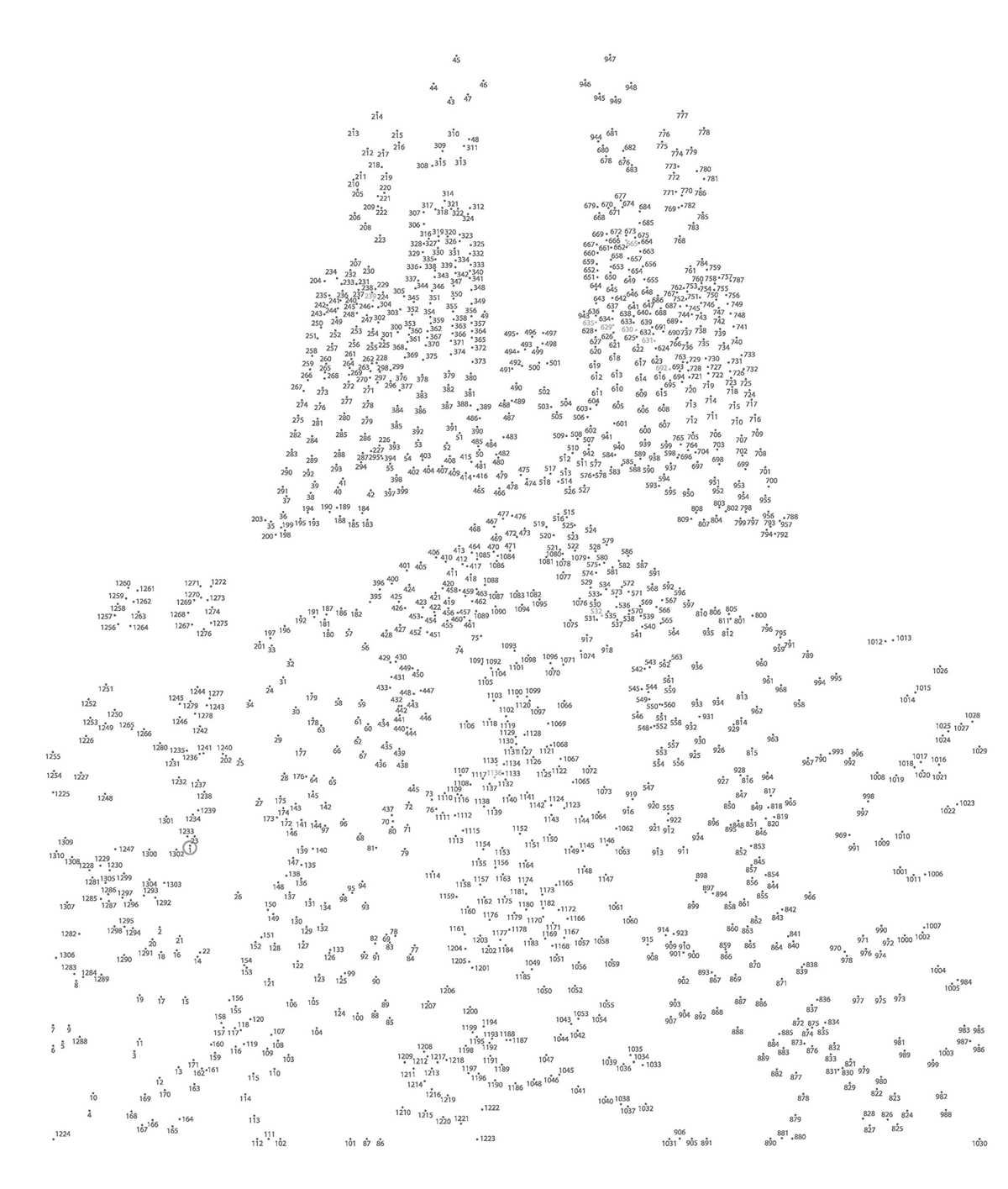
If you’re looking for a more intricate and mentally engaging puzzle activity, creating your own connect-the-dots designs with a high number of points will test your focus and patience. Consider making puzzles with over 1,000 points for a true challenge. The complexity lies not just in the number of points, but also in the placement of the dots, where irregular shapes and patterns come into play.
Designing Complex Connect-the-Dots Patterns
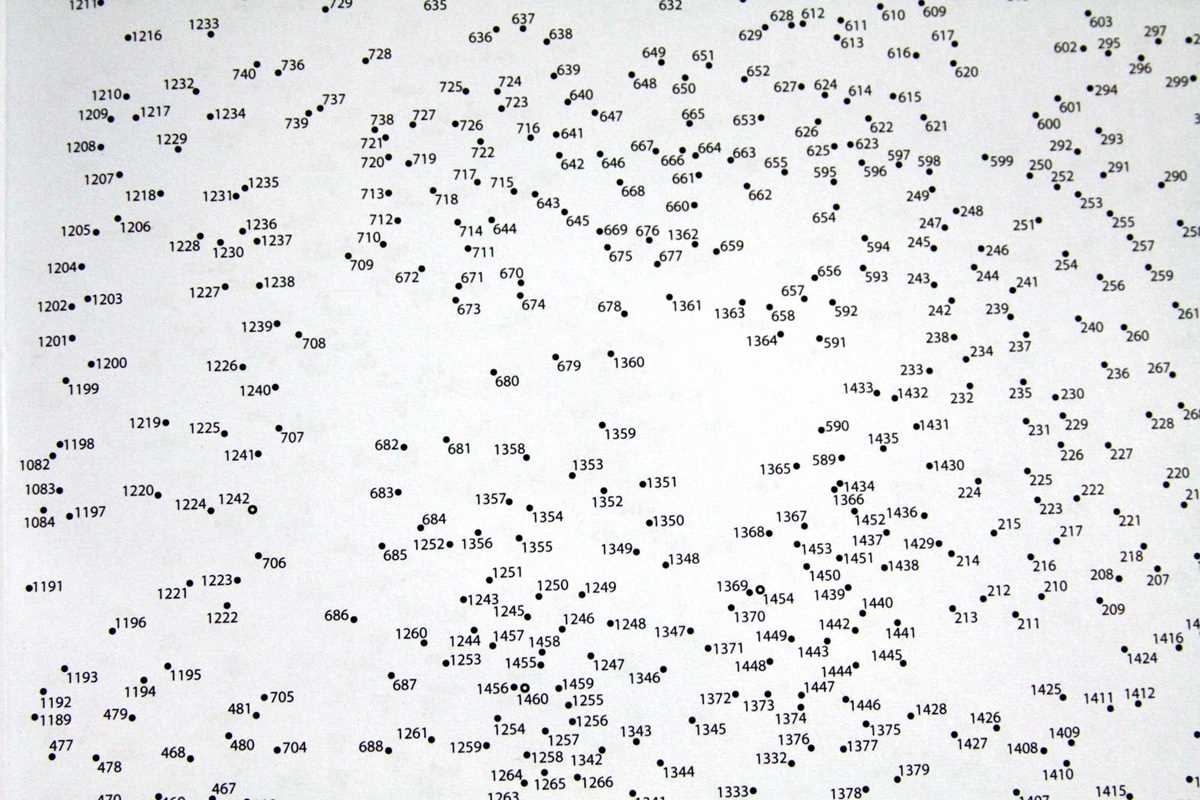
To create a truly difficult pattern, start with a clear idea of the shape or object you want to reveal. Use software or graph paper to plot points that follow the outline of the object, but avoid obvious straight lines. A complex arrangement of curves and angles will force the solver to think strategically. For added difficulty, scatter the dots irregularly across the page, so there’s no easy path from one dot to the next.
When designing puzzles for others, ensure the starting point and connections are subtle. You might want to scatter a few smaller, non-connected dots throughout the design to mislead or confuse. This creates an extra layer of complexity, making the puzzle more rewarding to solve once completed. The final image should have enough detail to make it recognizable but not too obvious during the connecting process.
Solving Advanced Connect-the-Dots Puzzles
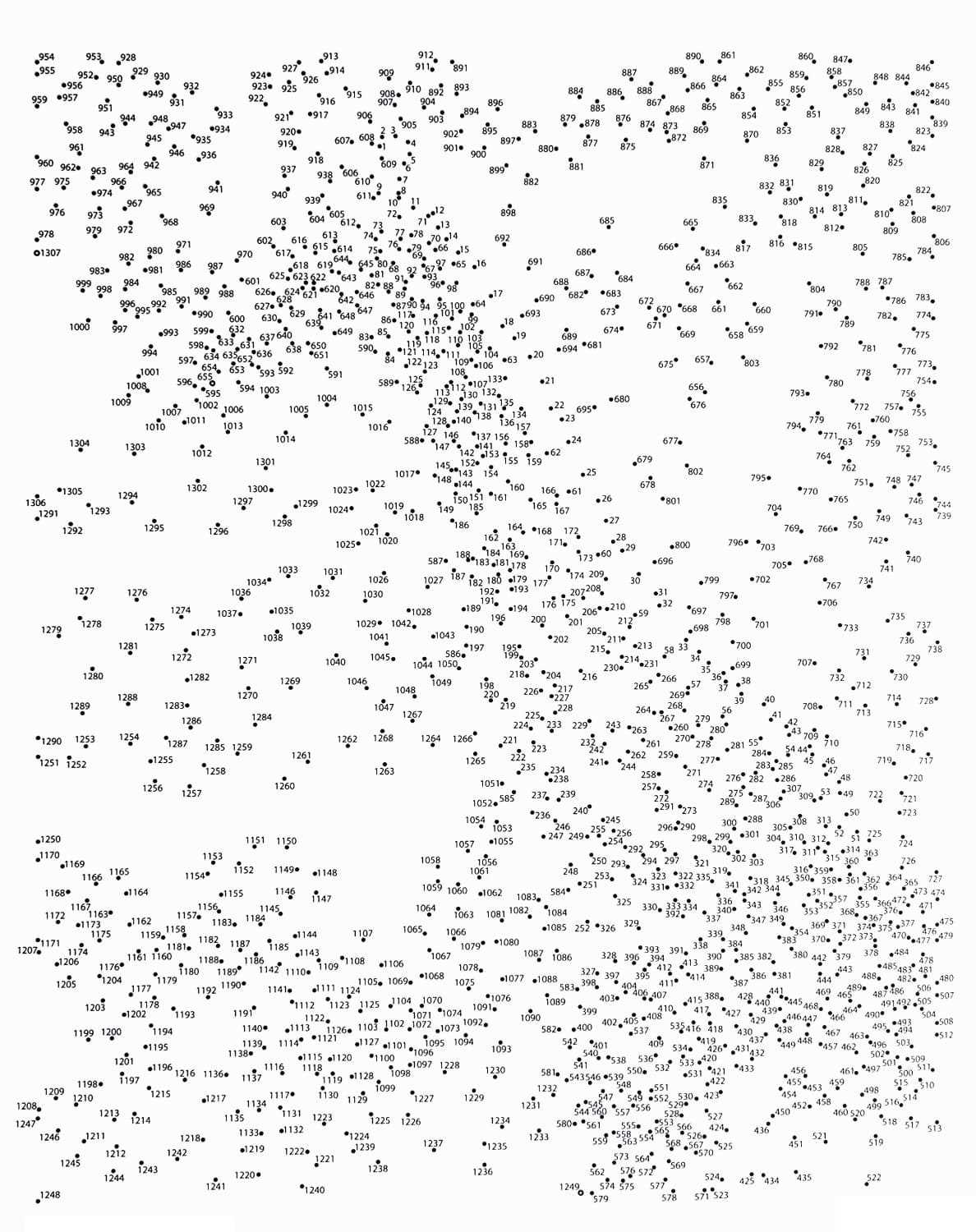
To approach these intricate puzzles effectively, first focus on the bigger picture rather than getting stuck in smaller sections. Begin by connecting the outermost dots or those that form the most obvious shapes. As you progress, maintain a steady pace to avoid missing any hidden connections. Remember, patience is key–since the patterns are complicated, rushing through the task will only lead to frustration.
For a smoother solving experience, try using a pencil first. This allows for easy corrections in case you misplace a connection. Once you’re confident in your path, switch to ink for finalizing the design. Some advanced puzzles might require revisiting previous steps after discovering new connections, so be prepared to adjust as you go.
Challenging Puzzles for Advanced Connect-the-Shape Enthusiasts
For a real challenge, aim for puzzles with over 1,000 connection points. These are ideal for people looking for a difficult and mentally stimulating activity. Instead of typical patterns, focus on irregular shapes and complicated designs that push solvers to their limits. The placement of the points plays a critical role, making it a satisfying experience when the image gradually takes shape.
Begin by creating designs that feature complex, irregular contours rather than simple geometric shapes. Use a combination of curves and sharp angles, with no obvious starting or ending points. This strategy ensures that the puzzle isn’t completed too quickly, requiring both patience and focus. The difficulty increases when connections are not in a linear sequence, demanding strategic thinking to connect seemingly unrelated points.
Use various methods to scatter the points. One option is to distribute them across different sections of the page, making sure no pattern is immediately obvious. By doing so, the solver is forced to focus on the puzzle’s intricacies rather than following a simple, linear path. Such a design will heighten the challenge and add excitement as the image begins to appear unexpectedly.
When designing these puzzles for others, it’s helpful to make the connections subtly hidden. For example, place smaller or disconnected points throughout the design to mislead the solver and keep them guessing. This provides additional complexity, as solving the puzzle involves more than just connecting the largest points. Creating a layered experience enhances the satisfaction when the final image emerges.
For those who enjoy solving intricate puzzles, start by focusing on larger, more obvious sections. This allows for easier recognition of connections in the early stages, which builds momentum. As the puzzle becomes more detailed, break it down into smaller, manageable sections to avoid feeling overwhelmed. Using a pencil for initial connections is recommended, as it’s easy to correct mistakes along the way.
After completing the more straightforward sections, move on to the more intricate and detailed areas of the design. Take your time and remember that the process is about the challenge, not rushing through. Patience and concentration will allow for more enjoyment, and once the image is completed, it provides a great sense of achievement for solving a complex puzzle from start to finish.