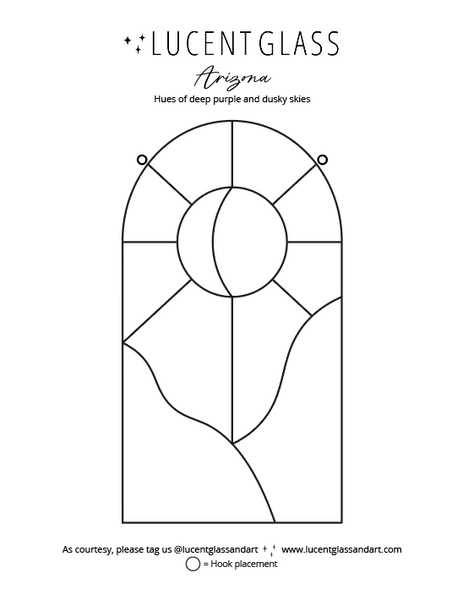
Start by selecting the right illustrations for your art project. Opt for clean, symmetrical designs that work well with vibrant color fills. These can be transferred onto various surfaces such as plastic sheets, window films, or even fabric, depending on your desired outcome. Focus on bold lines and shapes that will make the final piece stand out.
Consider using templates with easy-to-follow guidelines. These designs should clearly outline where to place colors, ensuring that the final result mimics the look of traditional glasswork. Use materials like adhesive paper, colored cellophane, or translucent films that replicate the effect of light passing through colored panes.
When you print these designs, ensure that your printer settings are adjusted to the highest quality for crisp lines. If working with a large-scale project, consider printing on a larger canvas or sheet to maintain detail and precision. You can always resize the illustrations based on your specific needs.
Experiment with layering different colors for a more intricate effect. For those new to the craft, start with simpler designs and progress to more complex ones as you become comfortable. This approach ensures you gain confidence and skills over time, resulting in stunning creations.
How to Use Printable Designs for Craft Projects
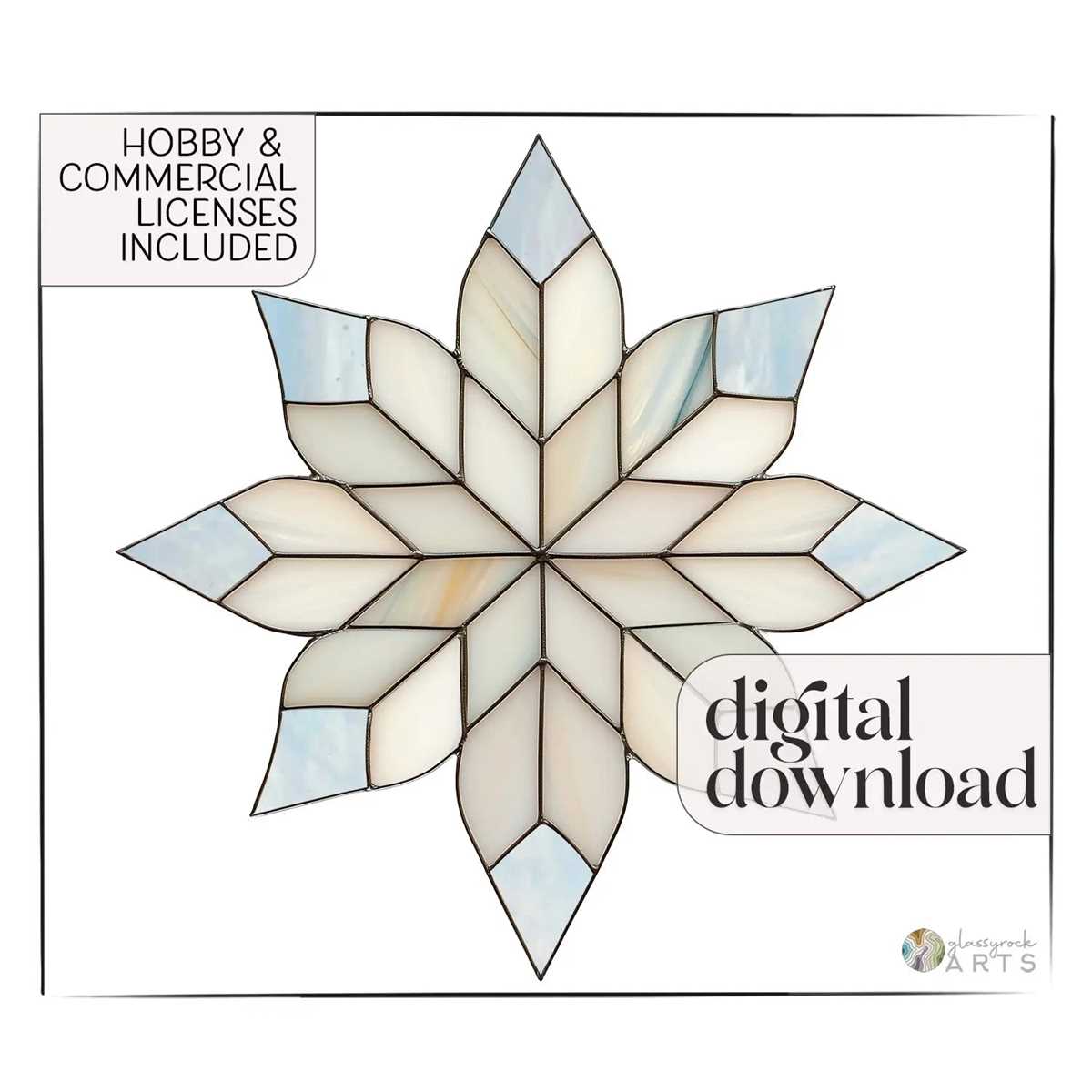
Choose images with clean lines and simple shapes for a more defined result. These designs are ideal for beginners and can be easily adapted to fit various projects. Focus on selecting patterns that align with your overall aesthetic and color scheme to maintain consistency in your work.
After printing, you can cut out the shapes and use them as templates for transferring onto different materials. For best results, ensure that the printouts are placed securely to prevent any shifting during the application of adhesive or color. If you’re working on a larger project, scaling the design might be necessary to maintain proportionality.
Experiment with different materials such as colored papers, films, or paints to mimic the look of light passing through transparent surfaces. Combining multiple hues in each section will add depth and visual interest, replicating the layered effect often seen in traditional artwork.
How to Choose the Best Designs for Your Project
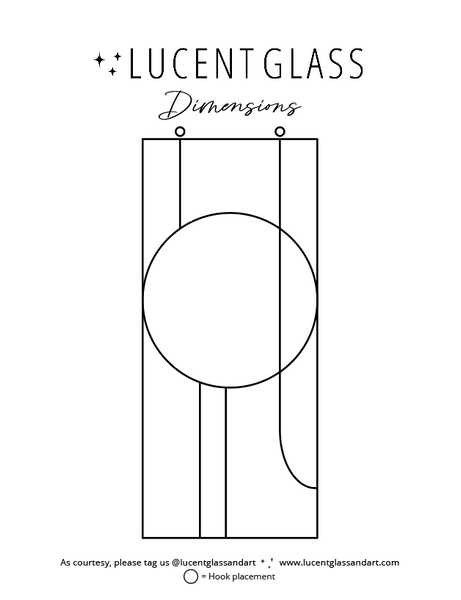
Begin by considering the complexity of the design. If you’re new to this craft, opt for simple outlines with clear sections for easy color filling. As your skill improves, move towards more intricate motifs that require more detailed work and offer a visually richer outcome.
Think about the size and scale of your project. Larger designs work well for windows or big panels, while smaller templates are better suited for frames, ornaments, or accents. Always adjust the size before printing to ensure it fits within the intended space without losing important details.
Choose motifs that match the theme or style you are aiming for. Traditional floral designs or geometric shapes often complement classic interiors, while more modern or abstract pieces may suit contemporary settings. Align your artwork with the atmosphere you want to create in the space.
- Look for bold, defined outlines: These are easier to work with, especially when cutting or adhering to other surfaces.
- Consider symmetry: Symmetrical designs are often visually more appealing and balanced, making them perfect for large installations.
- Use contrasting colors: Select designs that allow for distinct color blocking, which will create a striking visual contrast and enhance the overall effect.
Before you commit, print the design and assess how it looks when scaled to your preferred size. Make sure the lines remain crisp, and the details don’t blur out or become too small to manage. Test the visual effect of the design with sample colors to see if it fits your expectations.
If you are working with specific materials like colored cellophane or plastic sheets, ensure the design fits the opacity and transparency characteristics of the materials. Some designs may look better with light filtering through them, while others may require a more opaque finish for clarity.
- Adapt for your medium: Depending on the material (such as paper, vinyl, or adhesive sheets), you may need to adjust the level of detail to avoid overwhelming the surface.
- Match the difficulty with experience: For advanced projects, complex and overlapping designs with small sections can create a more professional appearance, while simpler designs are suitable for beginners.
Lastly, ensure you are choosing a template that resonates with your creative goals. Whether you’re making an accent piece for a room or a custom gift, the right design will elevate the piece and make it a standout feature. Take your time to explore different styles and themes before finalizing your decision.