Ways to Design Simple Puzzles for Any Audience
To develop an engaging and interactive experience, focus on crafting a few categories to target different age groups and skill levels. For example, create sections with varying levels of difficulty to keep the interest high. Providing answers on a separate sheet helps maintain challenge while allowing users to verify their results after completing the task.
1. Choose Themes Based on Interests
When selecting topics for word exercises, pick themes that resonate with your audience. You could consider categories like animals, history, sports, or nature. This approach ensures the content remains relatable and enjoyable for participants.
2. Combine Words and Pictures
To enhance the experience, pair written prompts with visual clues. This combination helps to trigger recognition while making the activity more entertaining. For example, include images of animals and require participants to fill in the missing names or details, enhancing both learning and fun.
3. Keep Instructions Simple
Make the task clear and straightforward by providing easy-to-follow guidelines. Avoid overly complicated wording. Instead of instructions like “engage with the given section,” opt for “complete the word puzzle using the clues provided.” Clear communication ensures that participants focus on the activity itself.
Benefits of Printable Word Challenges
These types of interactive content are ideal for various occasions such as educational settings, social gatherings, or even during breaks. Word games encourage mental engagement, improve vocabulary, and can be used for fun team-building exercises in groups.
1. Mental Stimulation
Regular participation in word-based games strengthens cognitive skills, including recall, problem-solving, and pattern recognition. It’s a low-cost way to promote critical thinking without the need for high-tech solutions.
2. Versatility Across Platforms
Creating these games for both paper and digital versions allows a broader audience to enjoy them, whether at home, school, or in the workplace. They can be printed or shared via digital platforms, making them suitable for any setting.
How to Create Your Own Word Challenges
Start by selecting your theme. Once that’s done, consider the type of task you want to develop: fill-in-the-blanks, matching, or crossword-style grids. From there, provide easy access to the challenge with clear, simple visuals and a small variety of complexity for variety. You can design these puzzles with basic tools such as word processors or more specialized software.
Tips for Success
- Ensure balance between difficulty levels.
- Incorporate diverse topics to maintain interest.
- Provide feedback on answers to reinforce learning.
- Keep the format consistent for user familiarity.
Once your tasks are complete, test them yourself or ask others for feedback. Adjust based on their suggestions to ensure a rewarding experience for all participants. By creating enjoyable and accessible games, you can offer an engaging way to stimulate minds and bring fun to any setting.
Creative Word Games for All Ages
For a quick and engaging activity, try completing blank puzzles that focus on word association or vocabulary. These tasks challenge participants to connect ideas, testing their recall and reinforcing knowledge in a fun, interactive way. Whether used for educational purposes or just for entertainment, these exercises can keep minds sharp and engaged.
Kids and adults alike benefit from practicing with word-based challenges that are structured around common themes like animals, food, or holidays. This type of task can be tailored to different age groups and skill levels, ensuring that everyone can participate and enjoy. For younger children, opt for simpler categories, while older participants might enjoy more complex ones that require deeper thinking.
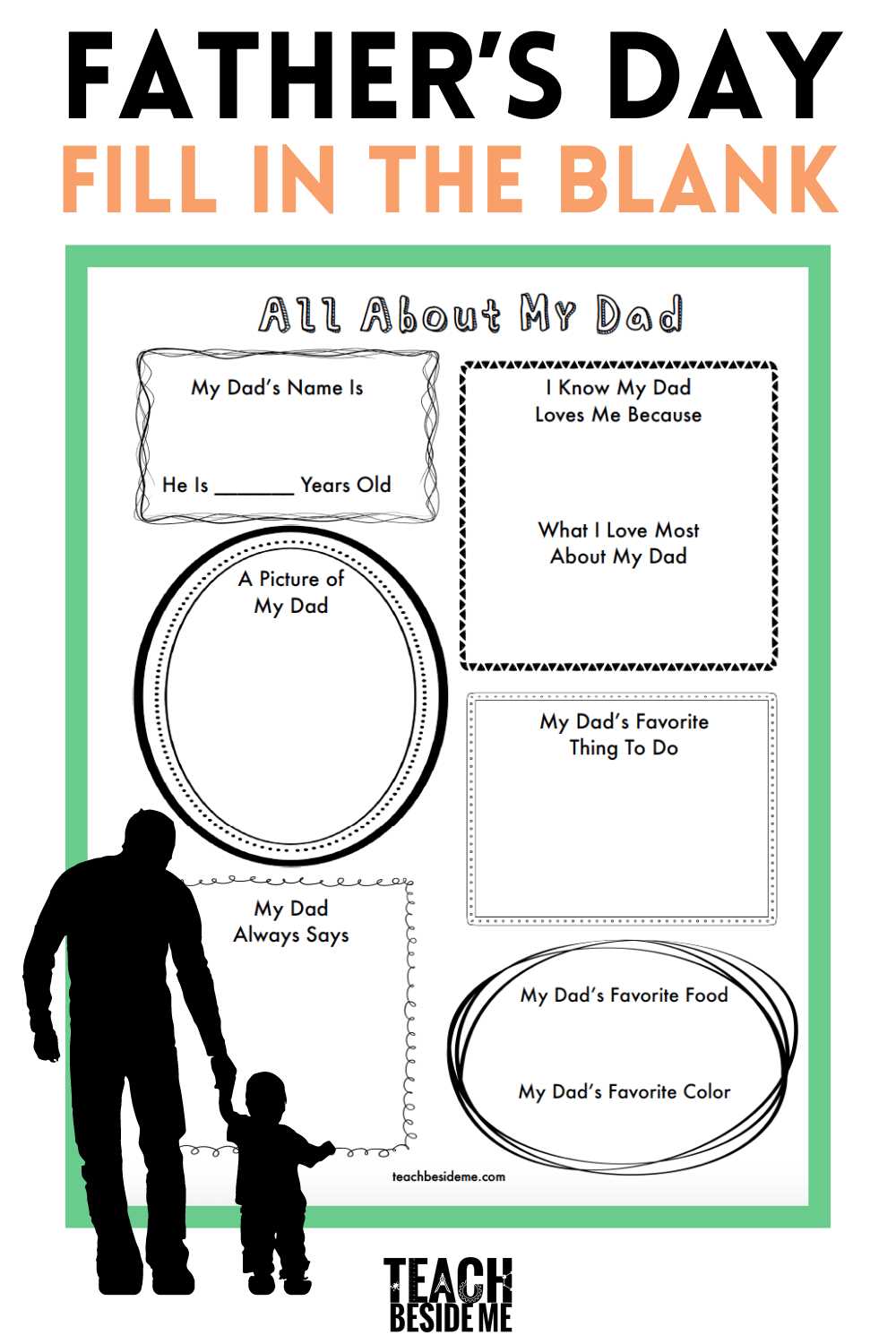
One effective approach is creating templates with sentences or phrases that are missing key words. Participants can fill in the gaps, either based on hints or from memory. These activities provide an opportunity for creativity, and they can be adapted to any subject matter, from history and science to pop culture and sports.
If you prefer to keep things simple, a great option is to use fill-in-the-blank games that involve common idioms or sayings. These puzzles are both enjoyable and educational, helping players learn new expressions while testing their understanding of language.
For a more structured challenge, try puzzles with thematic word banks. Players must match the missing words to clues within a set time. This can be particularly useful in classroom settings, as it adds a competitive element that motivates students to think quickly while reinforcing their vocabulary.
To increase difficulty, consider adding a time constraint or incorporating a larger set of words. Some variations include crossword-style tasks where participants must also figure out how words fit into a grid, providing an added layer of difficulty. These puzzles can be excellent for improving both spelling and logic skills.
With a little creativity, these exercises can become a regular part of any classroom, social gathering, or family activity. The best part is that they are easily adaptable to different environments, from informal get-togethers to more structured educational settings.