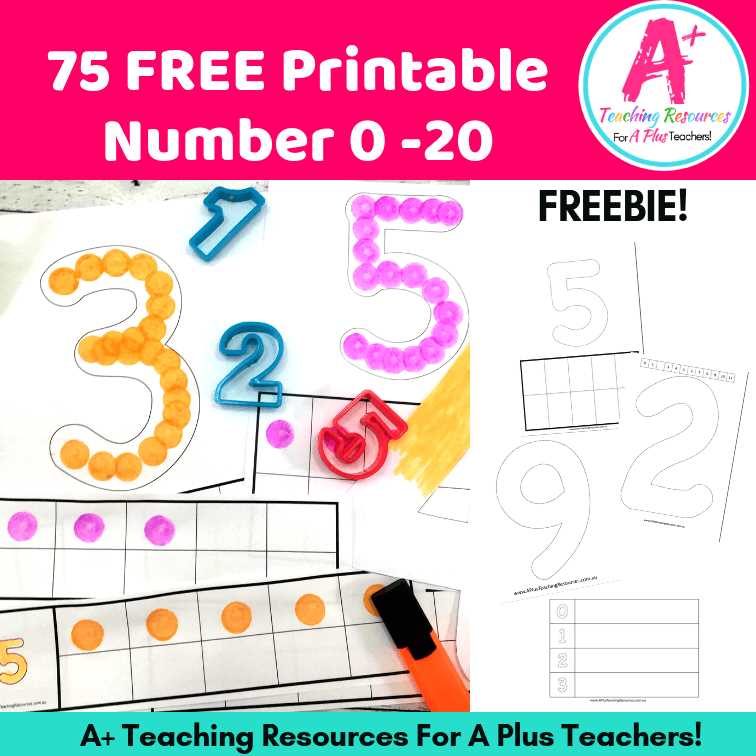
For those looking to introduce kids to basic writing tasks, creating custom resources can be a huge help. Start by selecting materials that include clean, simple illustrations, allowing children to focus on forming each digit accurately. Materials with clear lines and large spaces give enough room for practice and make tracing more enjoyable. Offering variety in design helps maintain interest, especially for younger learners.
How to Design Engaging Practice Sheets
Begin by choosing a format that suits your child’s developmental stage. If they are just beginning to recognize symbols, try worksheets with a dotted outline of digits for tracing. For more advanced learners, consider resources where they can fill in numbers without guidance, focusing on freehand practice. Add fun elements like boxes, circles, or cute characters around the digits to make practice sessions more engaging.
Using simple, playful themes such as animals, colors, or even weather patterns can further increase interest and provide a reward system. For instance, after successfully completing a set, you could introduce a new theme or add a small “stamp” they can collect for each correct attempt. This positive reinforcement keeps learning light and enjoyable while reinforcing core skills.
Finding Resources for Number Writing Practice
While creating your own resources is always an option, many online platforms offer free downloadable content that you can customize for your needs. Websites dedicated to early education often provide printable resources with various difficulty levels, making it easy to match the practice sheets to your child’s current skill set. Be sure to check whether these resources include interactive elements, such as areas for the child to color or draw, which help to improve focus and coordination.
Websites like Teachers Pay Teachers and similar online platforms often have curated resources that are created specifically for different age groups and learning levels. These allow for more targeted practice and often include instructional guides on how to use the resources effectively. Choose resources that best fit your child’s learning style and adjust the complexity as their skills improve.
Using Digital Resources for Early Learning Activities
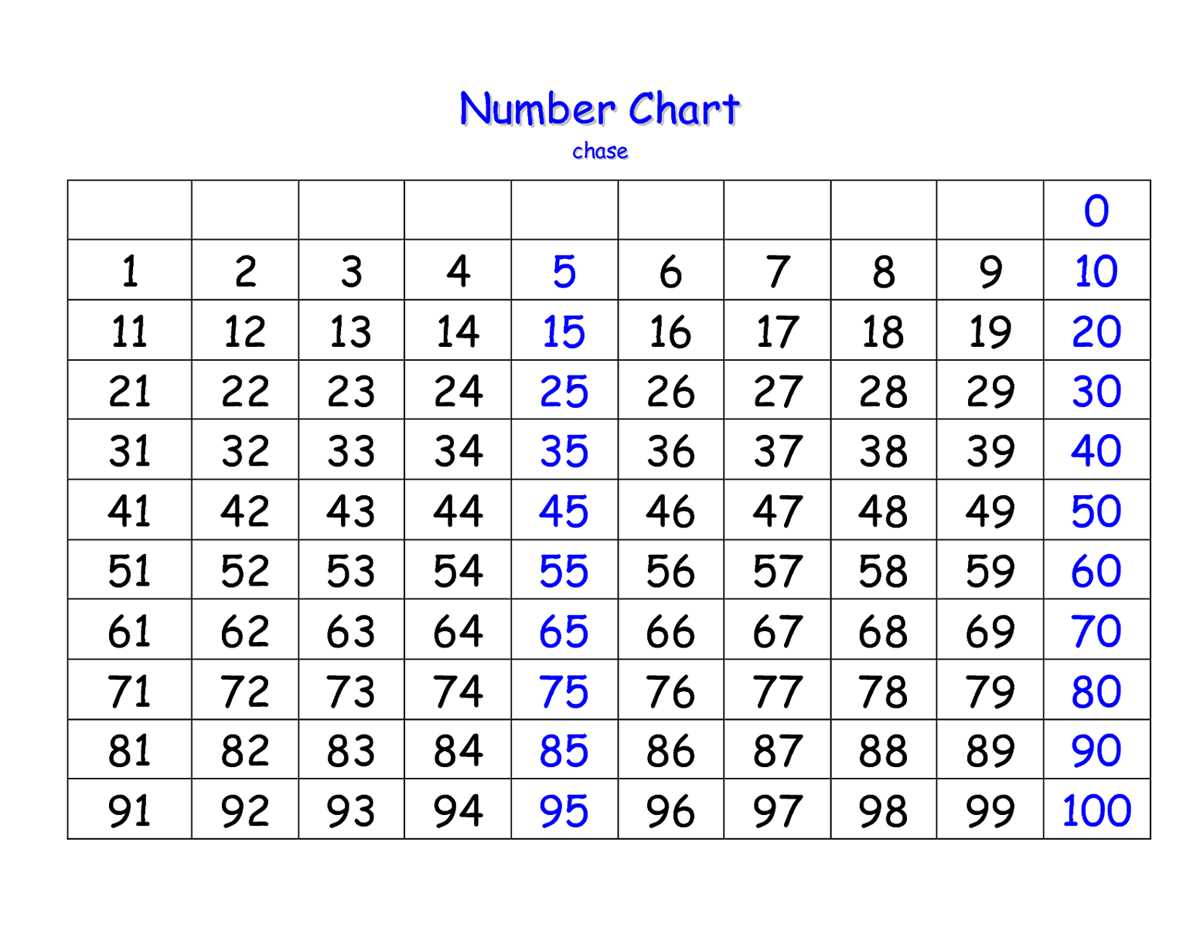
For teaching young learners, creating educational resources that focus on basic shapes and symbols can enhance their understanding of fundamental concepts. To begin, incorporate clear outlines that children can trace. This allows them to practice forming each shape without overwhelming them. The more structured the resource, the more confident the learner will feel about their progress. Consistently practicing with these resources will help children internalize the formation of the shapes.
In addition to structured tracing, it’s important to allow children to explore writing on their own. A good practice is to give them a blank version of the exercise after tracing and let them try forming the shapes independently. Adding elements such as dotted lines for guidance, or a ‘correct’ space for them to compare, offers a more interactive and helpful approach for beginners. This method gradually builds muscle memory and improves both fine motor skills and confidence.
There are numerous online platforms where you can find customizable resources for young learners. Websites that specialize in educational material often have downloadable worksheets that are segmented by age group and skill level. These worksheets can be printed directly from the site, allowing for quick access and an immediate learning experience. By choosing material that aligns with a child’s current understanding, you can target the right skill sets for their development.
It’s also beneficial to incorporate colorful and engaging designs that make learning enjoyable. Adding illustrations or backgrounds related to animals, nature, or other fun themes can keep children entertained while learning. Such visual elements keep them engaged, preventing the material from feeling too repetitive or boring. By combining functionality with creative visuals, the educational experience can become both effective and enjoyable.