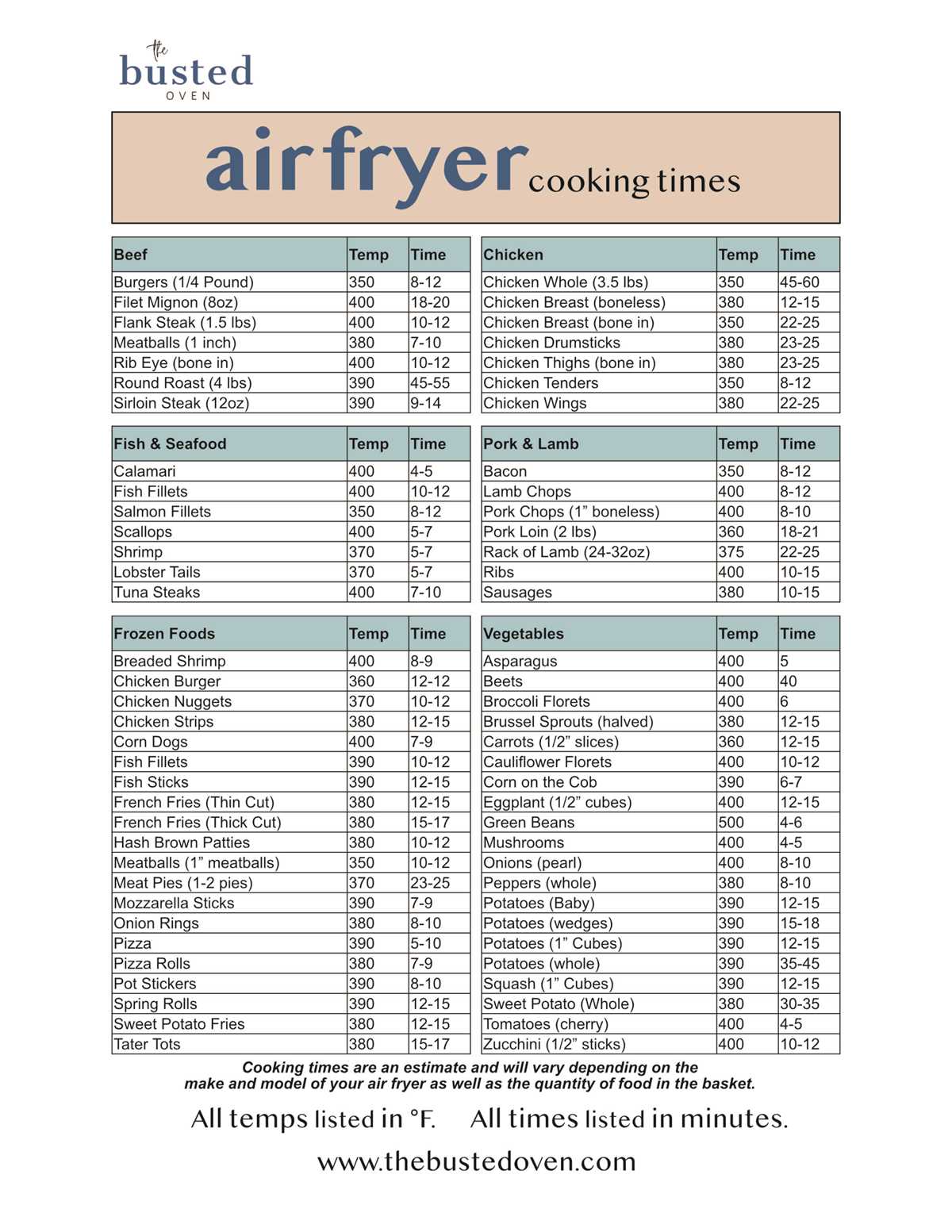
For quicker and tastier meals, using a cooking device that circulates hot air can save you both time and energy. To ensure the best outcome with your dishes, it’s important to have the right cooking times and temperature settings on hand. A convenient reference can simplify the process and prevent overcooking or undercooking your food.
Make your cooking experience smoother by keeping a guide handy that lists cooking times for common ingredients. For instance, knowing the right temperature for frozen fries or chicken wings can make the difference between a crispy or soggy texture. A compact, easy-to-read chart can be a real time-saver, allowing you to get the perfect result with little trial and error.
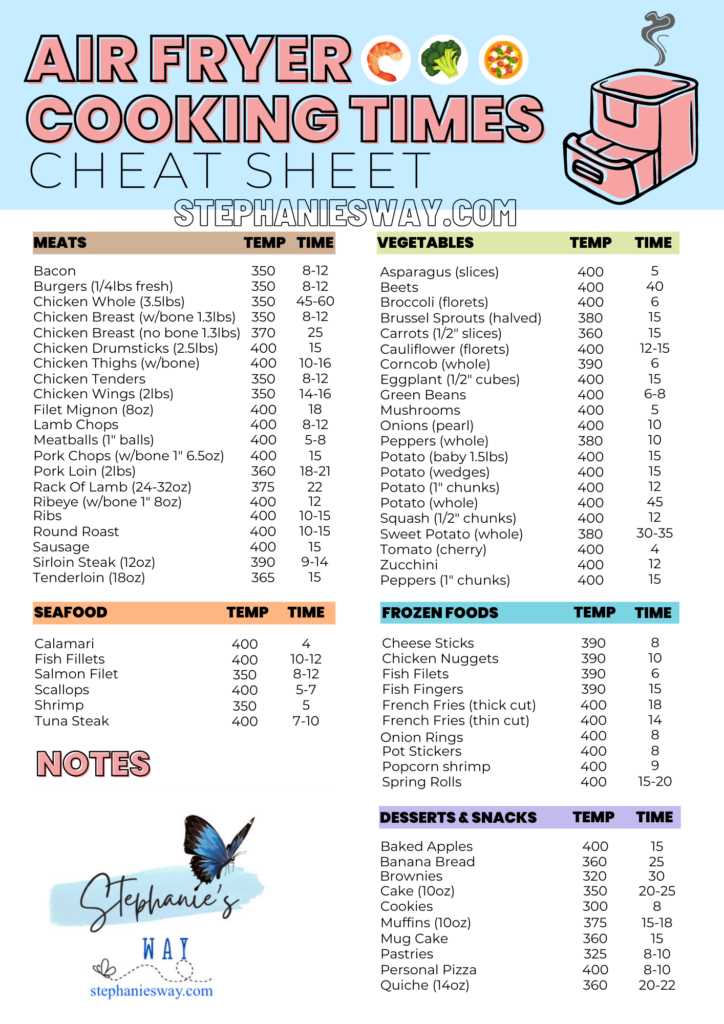
With these tools, you can also experiment and adapt recipes based on personal preferences. Whether you’re looking to prepare a quick snack or a full meal, having the correct time and temperature settings at your fingertips will help you achieve the best flavor and texture each time.
Key Cooking Times for Common Foods
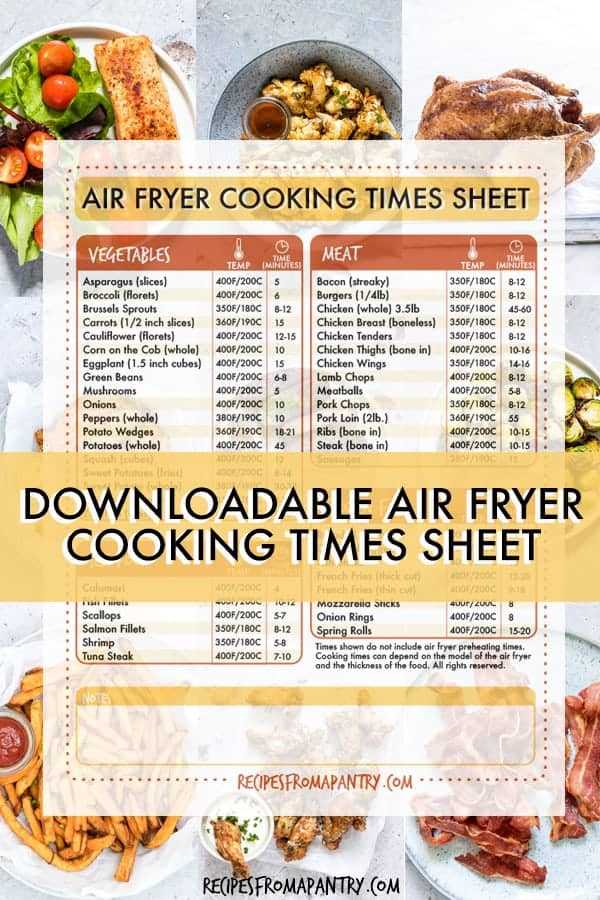
For consistent results, it’s important to know the right cooking times for different items. Below is a quick guide to ensure your dishes come out crispy and perfectly cooked every time:
- Frozen Fries: 20-25 minutes at 400°F (200°C)
- Chicken Wings: 25-30 minutes at 375°F (190°C)
- Salmon Fillets: 10-12 minutes at 390°F (200°C)
- Brussels Sprouts: 15-20 minutes at 375°F (190°C)
- Chicken Breast: 20-25 minutes at 380°F (190°C)
- Vegetable Medley: 12-15 minutes at 400°F (200°C)
Keep in mind that cooking times can vary based on the thickness or size of the food, so always check for doneness towards the end of the recommended time frame.
How to Avoid Overcrowding for Best Results
One of the most common mistakes when using a convection oven is overcrowding. While it might seem like a good idea to cook everything at once, too much food can block the airflow, leading to uneven cooking and less crispiness. To get the best texture, try cooking in smaller batches, giving each piece enough space for the hot air to circulate around it.
For example, when cooking frozen fries, avoid stacking them too high in the basket. Instead, spread them in a single layer. If you need to cook large quantities, work in stages, and give each batch the room it needs for proper cooking.
Adjusting Recipes for Different Brands and Models
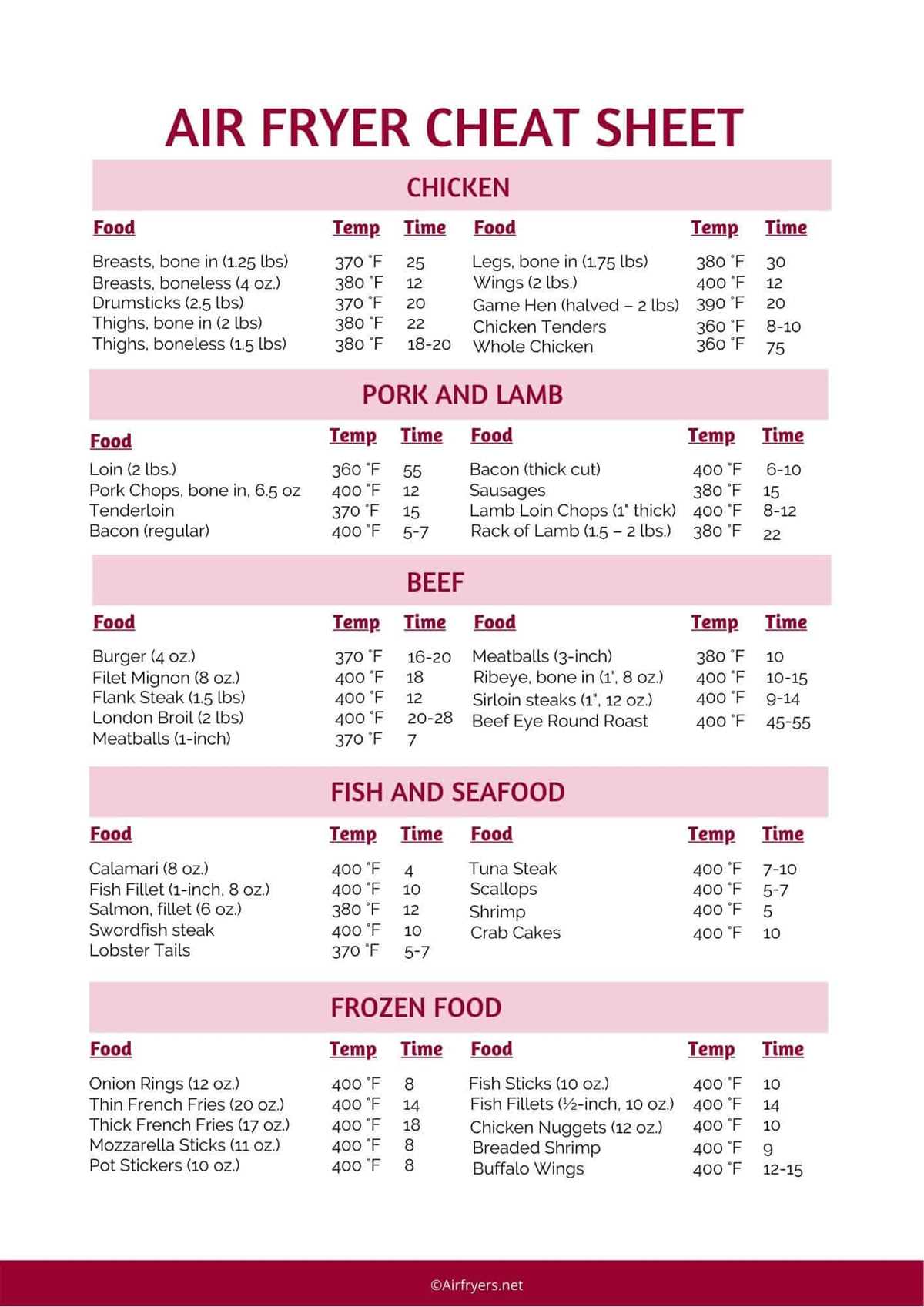
If you’re switching between different devices or brands, cooking times may need slight adjustments. Some models may cook faster than others, so always start by checking the food a few minutes before the suggested cooking time is up. You can also use a food thermometer to check internal temperatures for meats to ensure they’re fully cooked.
Tips for Achieving the Perfect Crisp
To get that perfect crispy texture, lightly coat your ingredients in oil before cooking. This can be done by spraying the food with a light mist of cooking spray or tossing it in a small amount of olive oil. Additionally, shaking or flipping the food halfway through the cooking process will help ensure an even crisp on all sides.
Cleaning and Maintenance for Long-Term Use
After cooking, make sure to clean your appliance regularly to maintain its performance. Clean the basket and tray after each use, removing any food residue or grease. Use a soft cloth or sponge to wipe down the exterior and avoid harsh abrasives that could damage the surface. A clean machine works more efficiently and lasts longer.
Printable Guides and Templates
There are various websites offering downloadable cooking guides for different models. These printable resources can help you organize your cooking times for all your favorite meals in one place. They often include space for you to jot down any adjustments you make based on your specific preferences, so you can keep track of what works best for you.