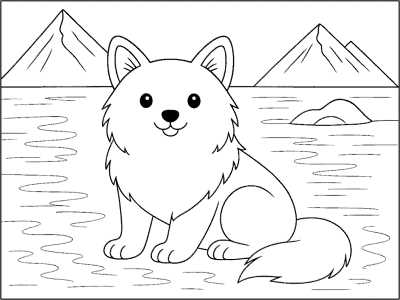
Download high-resolution PDF sheets with bold outlines (minimum 300 DPI) and print them on A4 or US Letter paper using “fit to page” disabled to keep proportions accurate.
How to Select the Right Illustrations by Age
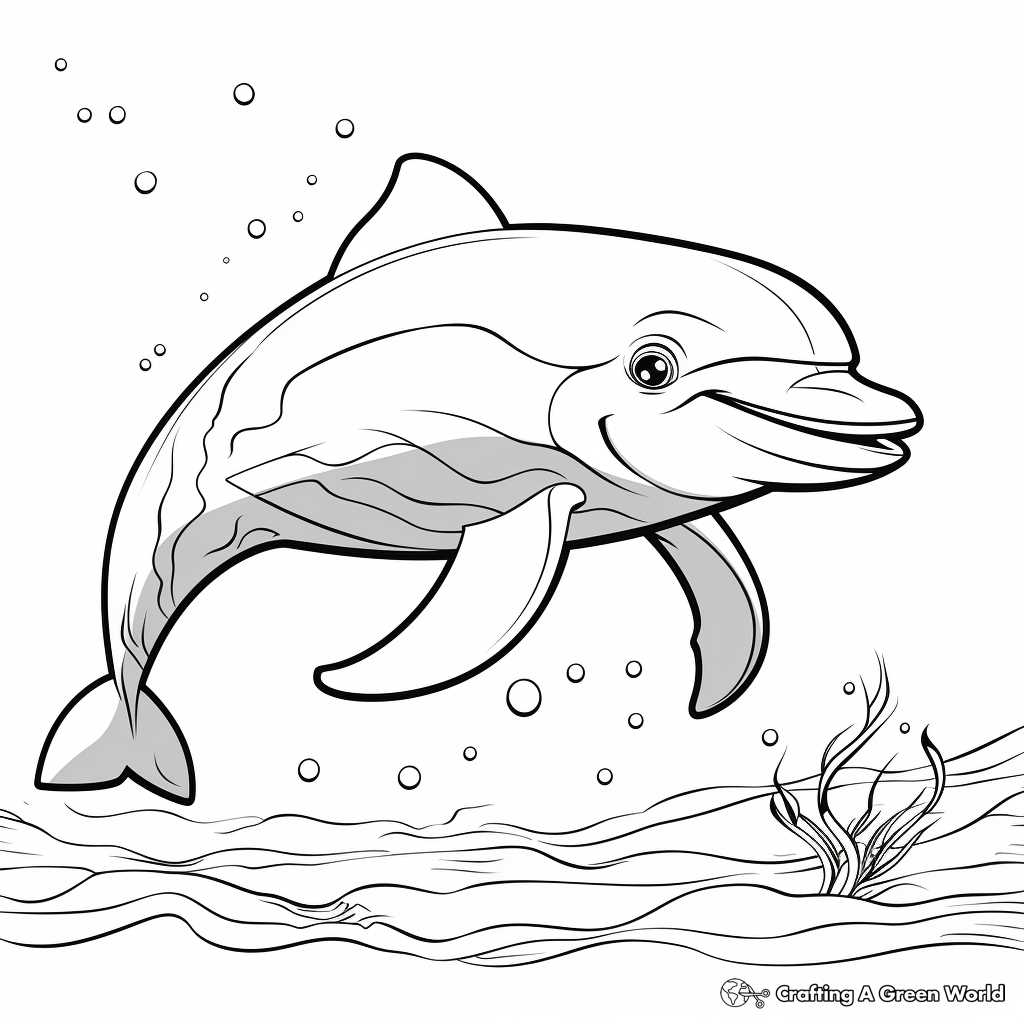
Toddlers 2–4 Years
Choose simple creature outlines with thick 3–5 mm contour lines and large open areas. Avoid complex backgrounds. One subject per page improves focus and reduces frustration.
- Farm pets such as cows, pigs, and chickens
- Basic zoo figures like lions and elephants
- Single ocean characters such as a whale or turtle
Children 5–7 Years
Select drawings with moderate detail, including fur texture, feathers, or simple scenery. Thin outlines (2 mm) help develop fine motor control.
- Forest mammals with trees and grass
- Safari scenes with two or three species
- Arctic creatures with ice elements
Kids 8+ Years
Offer detailed line art featuring scales, layered wings, or patterned backgrounds. Mandala-style wildlife designs improve precision and patience.
- Jungle habitats with layered foliage
- Underwater reefs with multiple fish species
- Birds with intricate feather structure
Printing Settings and Paper Choices
Use 100–120 gsm paper for crayons and colored pencils. For markers, select 160–200 gsm stock to prevent bleed-through. Set printer quality to “high” and choose grayscale mode to keep outlines sharp.
- Open the PDF file and check page scaling at 100%.
- Enable borderless printing only if the design requires full-page coverage.
- Print a single test sheet before producing multiple copies.
Tip: Store files in categorized folders such as farm, jungle, sea life, and birds. This saves time when preparing themed activity sessions at home or in classrooms.
Animal Coloring Printable
Download black-and-white wildlife line art in PDF format at 300 DPI and print on 120 gsm paper for pencils or 180 gsm sheets for markers to prevent bleed-through.
Select illustrations with clear contours between 2–4 mm for preschoolers; thinner outlines around 1–2 mm suit older children developing hand control and precision.
Choose single-species pages for short sessions under 15 minutes, and multi-creature habitats for longer activities lasting 30–45 minutes to build attention span and detail work.
Adjust printer settings to 100% scale and disable “fit to page” to avoid distorted proportions, especially for species with recognizable body structure such as giraffes or horses.
Organize files by habitat categories–savanna, rainforest, ocean, arctic–to support themed lessons and quick access during classroom preparation.
Use grayscale mode rather than draft printing; sharp outlines guide accurate shading and reduce smudging during crayon application.
Provide reference photos alongside each sheet to guide realistic pigment choices such as brown gradients for bears or layered green tones for frogs.
Store finished artwork in labeled folders by date to track progress in fine motor skills, pressure control, and ability to stay within boundaries.