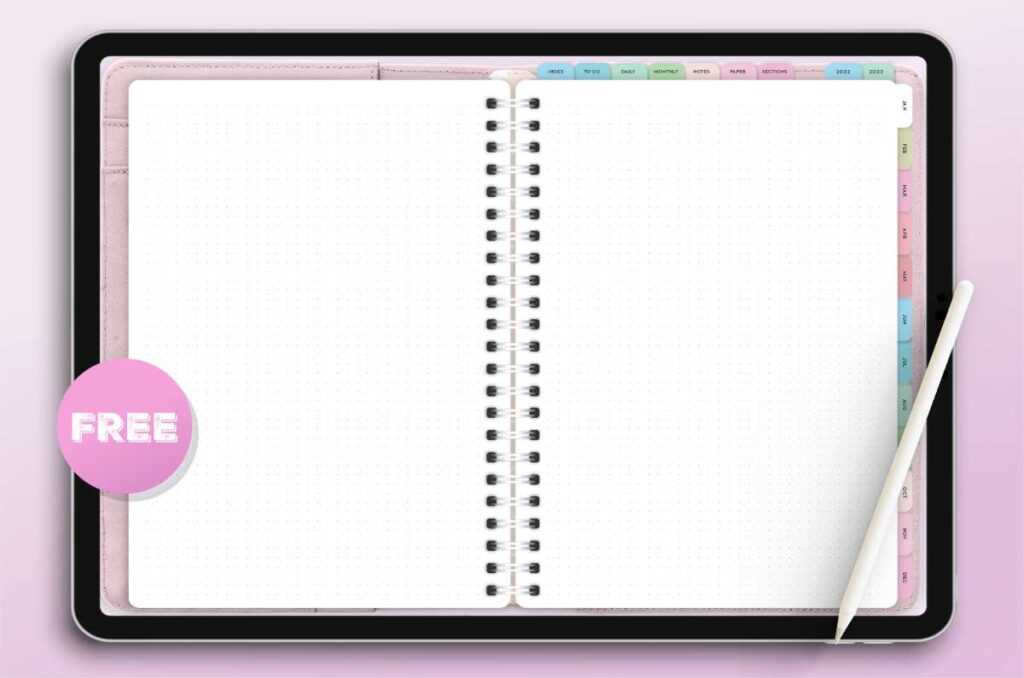
If you’re looking to organize your thoughts, tasks, or creative projects, using downloadable templates can be a great solution. These tools allow you to create personalized layouts for everything from daily to-do lists to long-term goal tracking. With the right design, you can streamline your workflow and stay on top of your priorities.
To make the most out of these layouts, start by identifying the types of pages you need. Whether it’s a calendar for scheduling, grids for tracking habits, or freeform sections for brainstorming, there’s a template out there to suit every need. Many websites offer free designs that can be printed directly and tailored to fit your specific planning style.
Another advantage is flexibility. Instead of sticking to pre-made formats, you can easily customize sections to suit your preferences. Add creative elements like doodles or inspirational quotes, or stick to a minimalist approach–whatever helps you stay focused and organized.
Additionally, using templates allows you to experiment with different formats before committing to a physical layout. It’s a simple way to test various organizational methods without wasting any materials, giving you room to refine your system until it works perfectly for you.
Customizing Your Own Planning Templates
Begin by selecting simple designs like grids or lined sections. These basic formats are perfect for tracking tasks, creating schedules, or jotting down ideas. Many websites offer free, downloadable templates that can be printed and tailored to your needs.
After choosing your preferred layout, consider adjusting the size of each section. For instance, a daily task tracker may need more space, while a habit tracker can be smaller. Modifying these layouts allows you to optimize the space based on your personal style and objectives.
If you want to add some creativity, try incorporating different themes. Many free designs allow for easy customization with elements like bullet points, color-coding, or visual separators. Adding personal touches like illustrations or inspiring quotes can make your planning tool more engaging.
For those who prefer simplicity, minimalistic templates work best. They provide just enough structure to stay organized without feeling cluttered. A clean, no-frills approach can help with maintaining focus and making the most out of each page.
Finally, print multiple copies of each template to experiment with different methods. Testing out layouts before committing to a physical notebook allows you to refine your system, ensuring it works effectively for your routine or creative process.
How to Customize Blank Pages for Your Needs
Start by identifying the main purpose of your layout. If you need to track habits, opt for a grid with spaces for each day of the week. For goal setting, consider a simple chart that breaks down large tasks into smaller, manageable steps.
Next, experiment with adding separators to divide sections within each page. Thin lines or dotted borders can help create visual clarity, making it easier to focus on specific tasks or projects without feeling overwhelmed by the content.
If you enjoy color coding, print multiple versions of the same layout and test different themes. Use color markers or pens to highlight key areas–like work deadlines, personal goals, or monthly events–to enhance organization and visibility.
Finally, incorporate additional visual elements, such as icons, checkboxes, or illustrations, to make each section more engaging. These small additions not only improve the aesthetic but also create a more functional and personalized system for organizing your tasks and ideas.