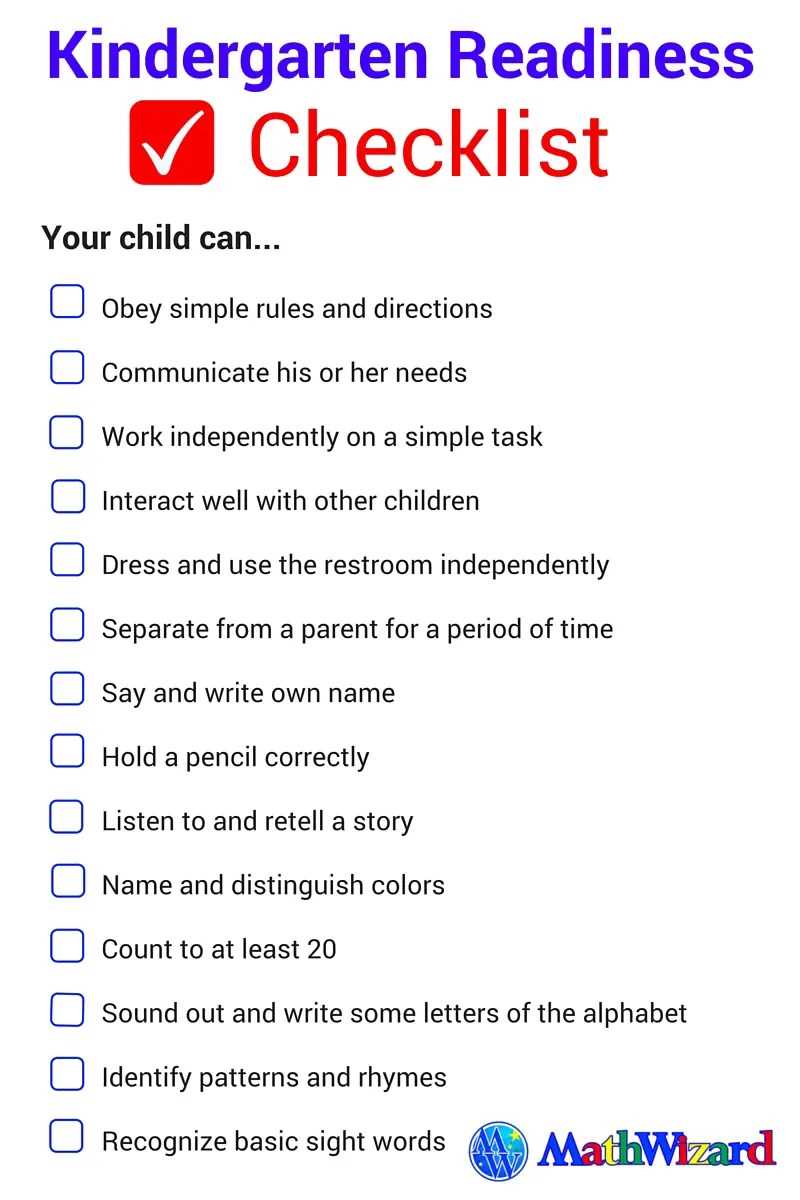
Start by selecting activity sheets that focus on basic skills like number recognition, letter tracing, and shape identification. These foundational tasks help young learners build confidence and competence as they prepare for formal education. You can easily find templates that cater to various skill levels, allowing you to gradually increase the challenge as your child’s abilities improve.
Choosing the Right Activity Sheets
When looking for printable tasks, it’s important to pick those that match your child’s current stage of development. For example, worksheets that focus on matching objects with their corresponding names can be a great starting point for younger children. As they become more comfortable, you can introduce more complex exercises like sequencing, counting, or simple problem-solving.
Be sure to choose engaging activities that include colorful designs or beloved characters to keep children interested. This can help turn learning into a fun game rather than a tedious task. Whether it’s identifying animals or completing simple puzzles, colorful images and interactive tasks make the experience more enjoyable.
Engaging with the Worksheets
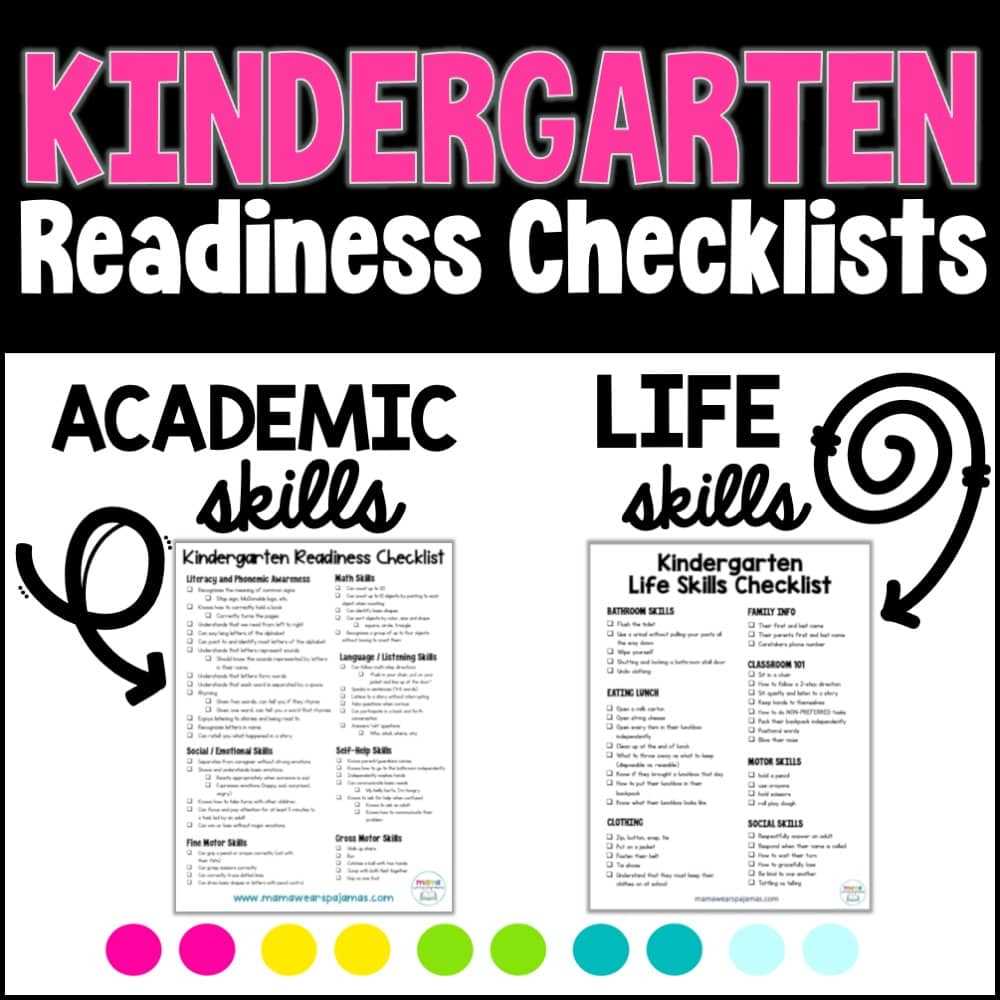
To make the most out of these materials, try setting a routine where your child completes one or two activities daily. This routine helps build discipline and consistency in learning while providing plenty of opportunities for practice. Make sure to give praise and encouragement as your child completes each sheet–this positive reinforcement boosts motivation.
As your child grows, introduce a variety of activities, including those that help with social skills and creativity. For example, printable coloring pages and puzzles that require collaboration or storytelling can also enhance emotional and cognitive development. This variety keeps the process fresh and exciting.
Simple Tips to Enhance the Learning Experience
Incorporating these tasks into everyday life can also help reinforce concepts. For example, when out for a walk, ask your child to identify shapes, colors, or numbers from their activities. This real-world application strengthens their understanding and keeps learning connected to everyday experiences.
Remember that learning through play is just as valuable as traditional instruction. Make these activity sheets part of a larger learning environment that includes books, interactive games, and discussions about what they are discovering. This holistic approach ensures that your child’s readiness is not only academic but also social and emotional.
Effective Activity Sheets for Early Learners
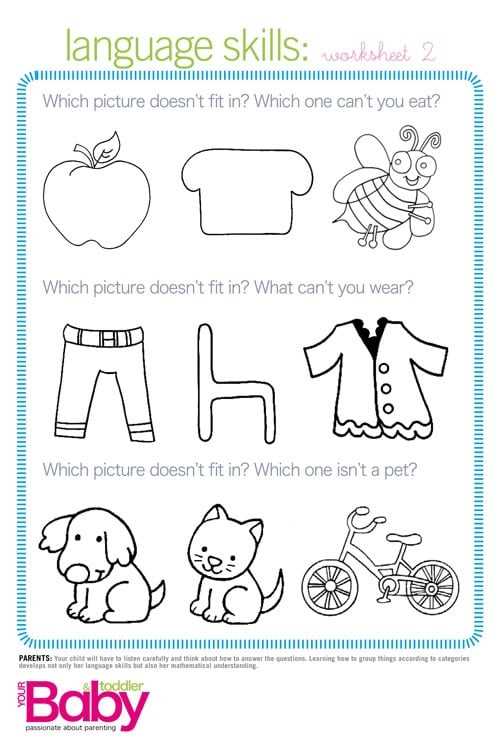
Choose worksheets that introduce basic skills like number writing, identifying colors, and shape recognition. These activities serve as building blocks for more complex tasks later on. Start with simple and fun exercises that your child can easily complete, which will help them build confidence and a sense of accomplishment.
To maximize engagement, select materials that incorporate familiar themes, such as animals, vehicles, or favorite characters. This keeps children interested while they practice new skills. Keep the difficulty level appropriate to avoid frustration–simple counting or matching games are perfect for younger children, while slightly more challenging puzzles can be introduced as they progress.
For added fun, incorporate interactive elements like tracing exercises or simple mazes. These types of tasks help strengthen fine motor skills and hand-eye coordination, which are important as children prepare for school. Repetition is key, so make sure to revisit these tasks regularly to help reinforce new concepts.
Don’t limit learning to the worksheets alone. Make learning a hands-on experience by incorporating real-world examples. For instance, when practicing shapes, ask your child to identify them around the house or outside. This reinforces what they are learning on the page and connects the lessons to their environment.
For variety, include activities that allow children to express their creativity, such as drawing, coloring, or simple crafts. These creative tasks help children develop important cognitive and emotional skills, like problem-solving and self-expression. Offering a mix of academic and creative tasks keeps children engaged and excited about learning.
As you go along, gradually increase the complexity of tasks. For example, after mastering basic shapes, introduce patterns or basic addition. The key is to build a natural progression that matches your child’s development, which allows them to feel challenged without feeling overwhelmed.
Finally, make learning an enjoyable experience by celebrating small achievements. Praise their effort, not just the results, to boost their motivation and sense of accomplishment. The more positive the experience, the more eager they will be to continue exploring new challenges and developing the skills they need for future success.