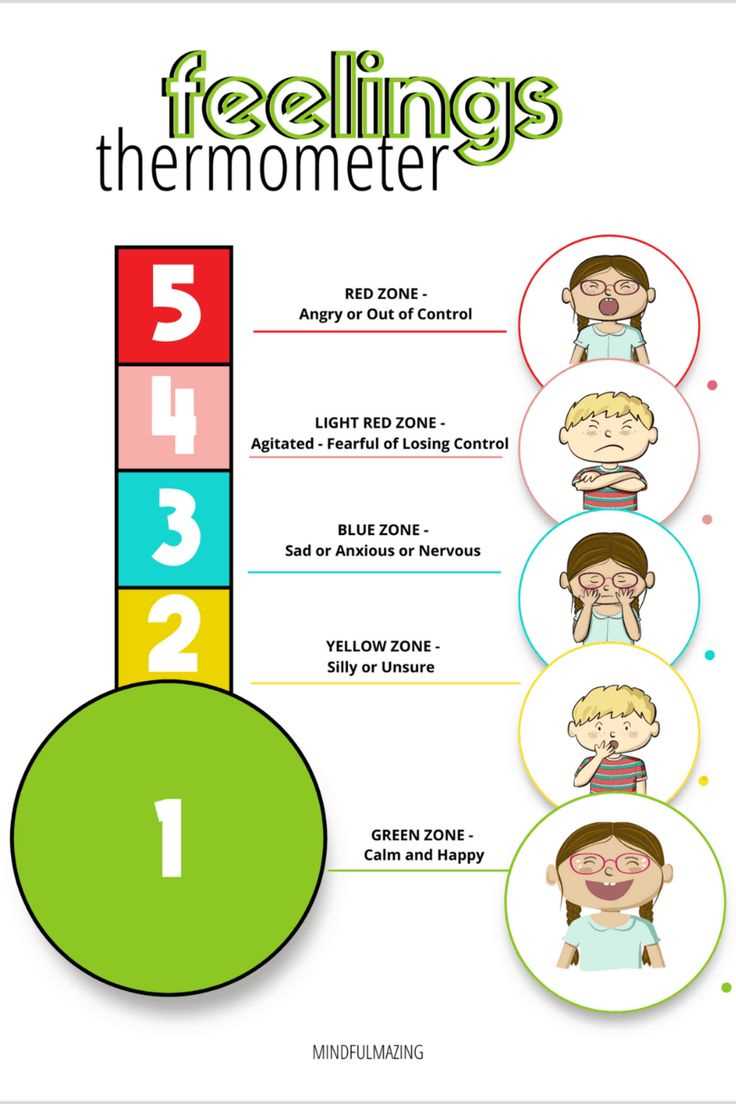
Start by designing a simple chart with a range of emotions that participants can reference. Use a scale from 1 to 10, where 1 represents calmness and 10 represents intense emotions. This visual aid allows individuals to quickly assess and label their emotional state at any given moment.
Steps to Create Your Own Emotion Scale
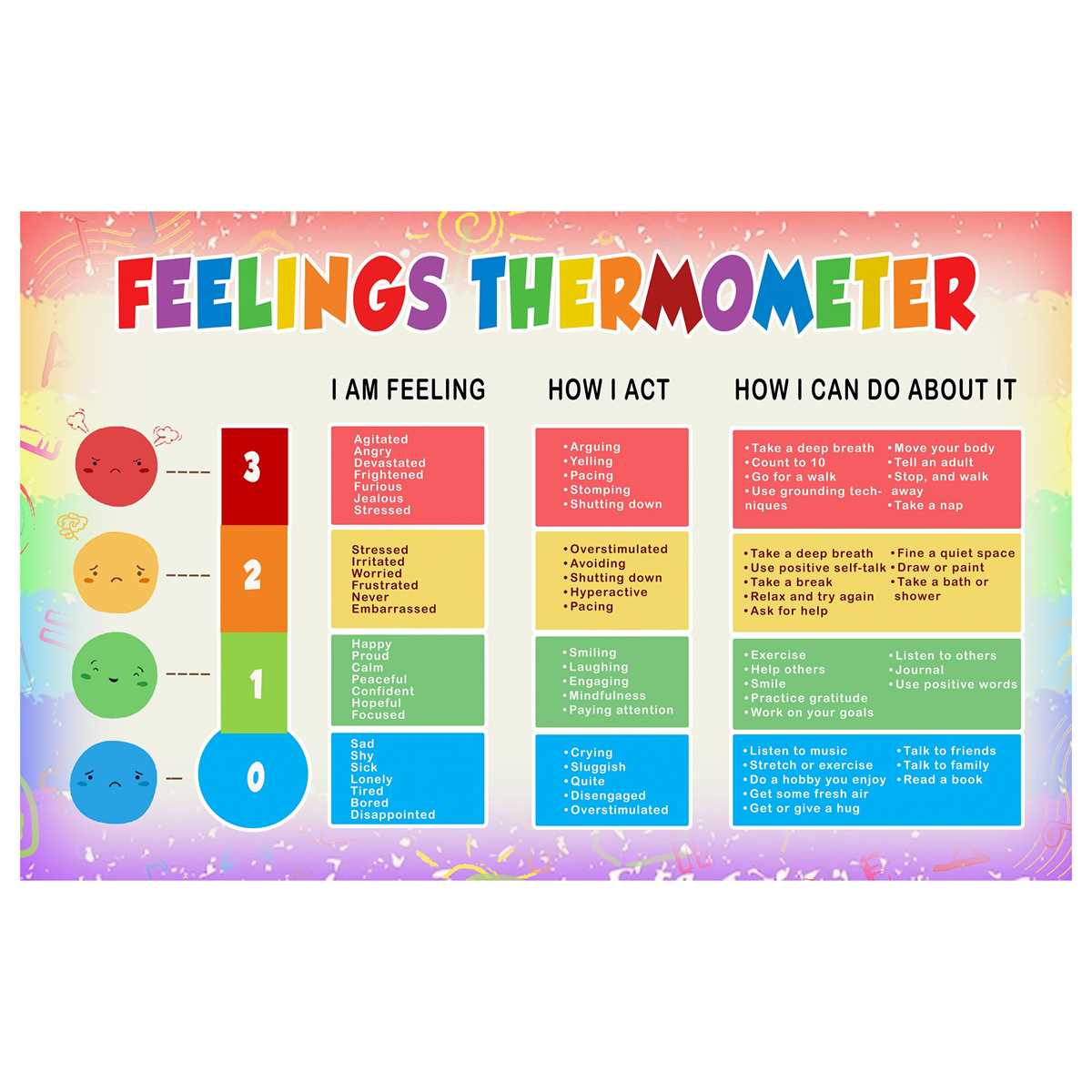
Begin by drawing a vertical scale with ten levels. Label each level from mild to extreme, using words like “calm”, “irritated”, “angry”, or “ecstatic”. You can also use colors to represent intensity, such as blue for calm and red for anger. This color-coded approach helps in visualizing emotional states quickly.
After creating the scale, make sure to include spaces where users can mark their current emotional state. This could be a blank area on the chart where individuals can place a sticker or write down a number. Consider leaving space for notes, so people can briefly describe the cause of their emotional state if they choose to do so.
How to Use an Emotion Tracking Chart
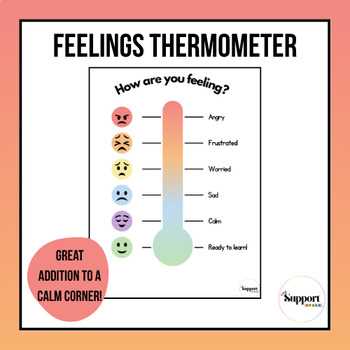
Once your chart is ready, encourage participants to use it throughout the day or week. They should assess their emotional state regularly and track any changes. For example, you might track emotions in the morning, afternoon, and evening, noting any triggers that might affect mood.
As people become more familiar with the chart, it can also help with managing emotions by providing a clear view of patterns and trends over time. For instance, if someone notices a recurring dip in their emotional state during specific activities, they can use this information to make adjustments and cope more effectively.
How to Design an Emotional Temperature Scale
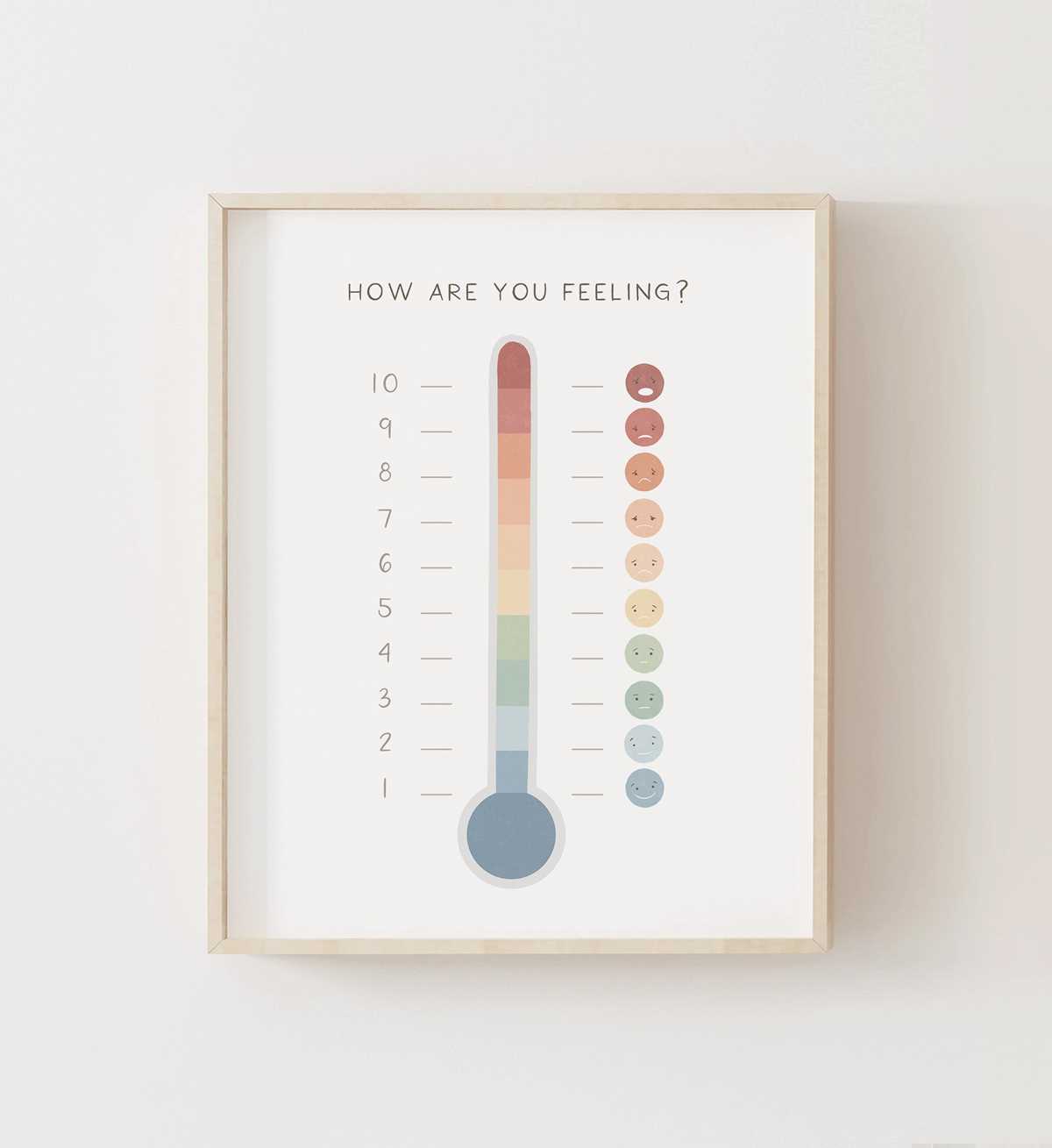
Create a visual chart with a range from 1 to 10, where 1 represents calm and 10 represents intense emotions. Label each level with appropriate descriptors such as “relaxed,” “agitated,” or “excited” to make it easier for users to identify their current state.
Ensure that the scale is color-coded for clarity. For instance, use shades of blue to represent lower levels of stress and shades of red for higher intensity emotions. This helps individuals quickly assess their emotional state without needing to read detailed descriptions.
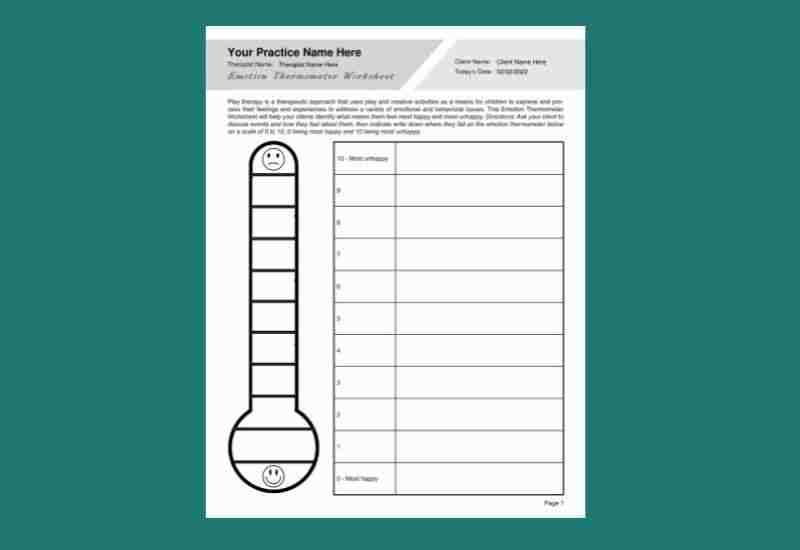
After setting up the scale, leave enough space beside each number for participants to mark their emotional level. You can use small circles or checkboxes where users can record their feelings throughout the day or during specific events.
Encourage daily tracking to observe patterns over time. For example, tracking emotions after work, school, or personal activities will help individuals identify stress triggers and make more informed decisions to regulate their emotional responses.
Consider incorporating a small section where users can note down events or situations that influenced their emotional state. This added feature will help people reflect on their feelings and take proactive steps to manage their well-being.