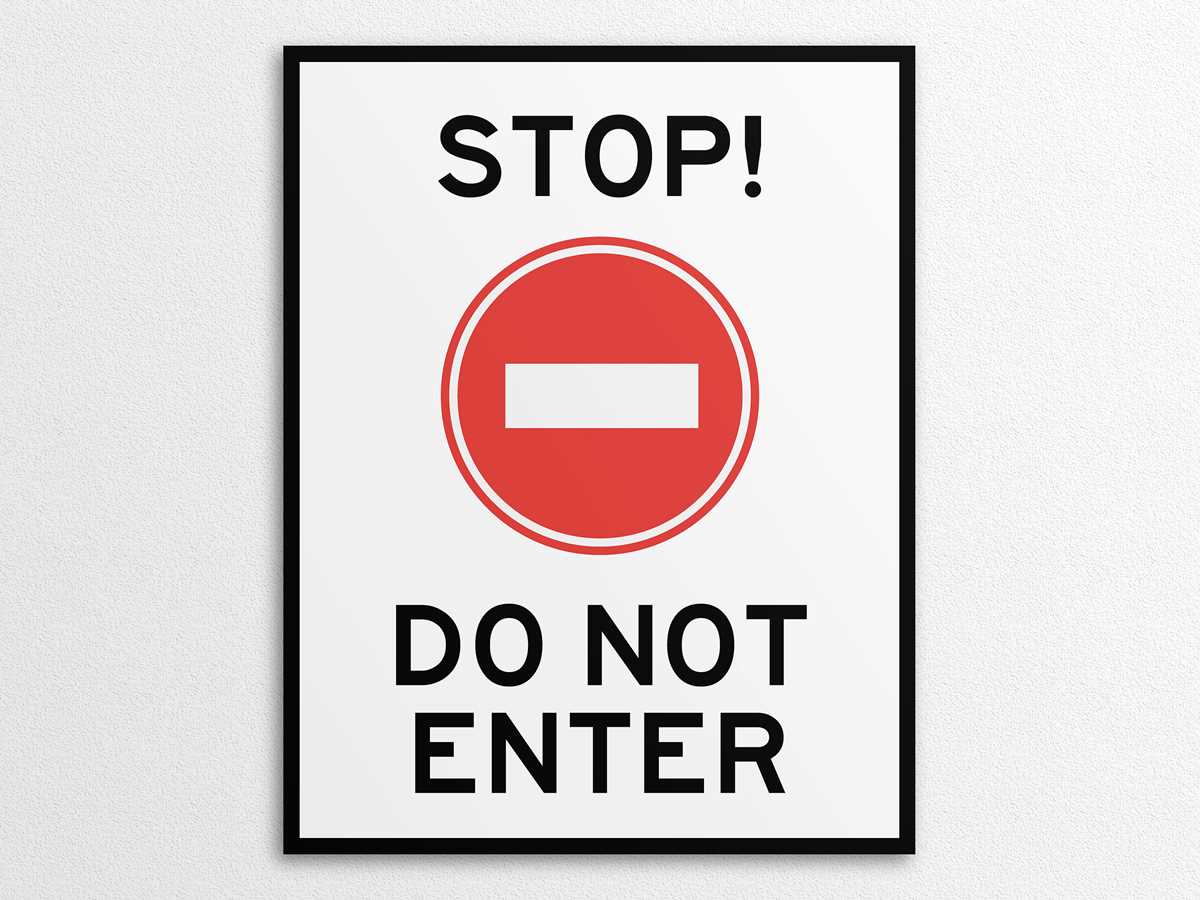
Ensure all fields for data submission are free from symbols that may interfere with processing. Special characters often lead to errors in system parsing and validation. Ensure that only alphanumeric characters are used unless specific symbols are absolutely necessary. This reduces the risk of bugs and improves user experience.
Systems often encounter issues with characters such as punctuation marks, which can break code, confuse algorithms, or result in incorrect data storage. Before submitting any form or input, verify that the content does not include such characters unless explicitly allowed by the platform’s guidelines. This practice minimizes the likelihood of unexpected behaviors, especially when interacting with databases or external services.
Incorporating only simple, universally recognized characters ensures smoother communication between user interfaces and backend processes. Make sure the input mechanism is designed to reject unsupported characters or prompt users to modify their entries as needed.
Why Certain Printable Symbols Are Restricted in Industrial Settings
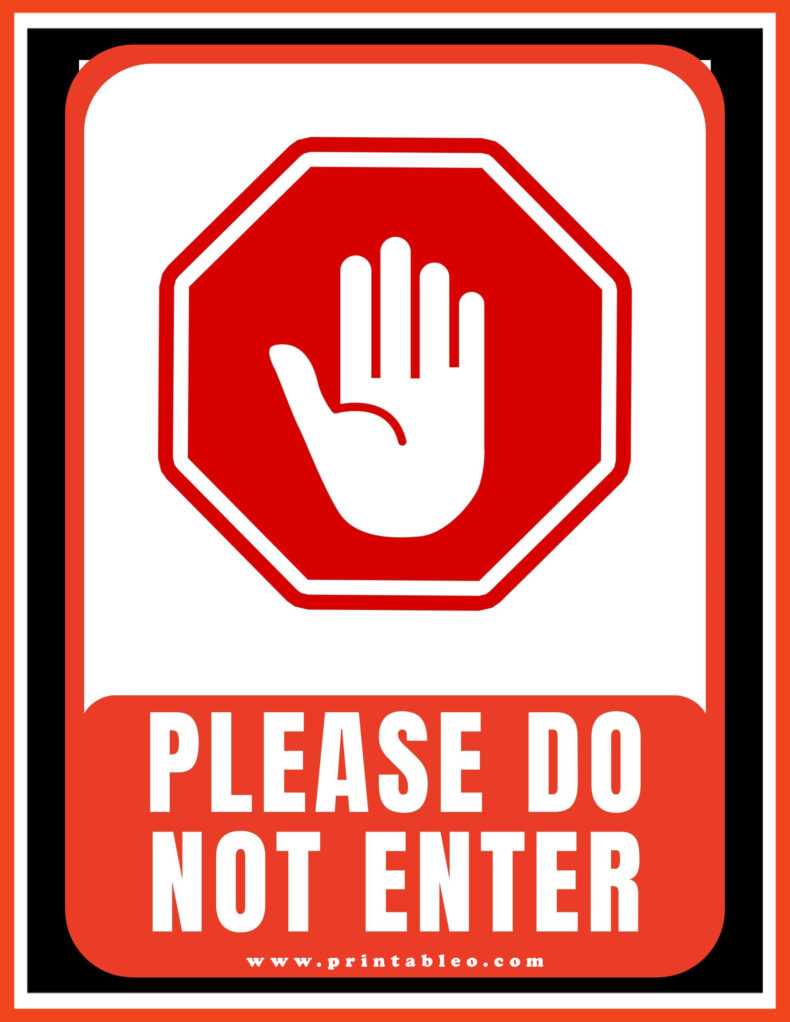
Symbols with particular visual characteristics can present significant hazards in industrial environments. These marks can be misinterpreted, leading to unsafe actions. For example, ambiguous arrows, confusing colors, or non-standard icons can cause workers to make incorrect decisions regarding safety measures.
Another critical concern lies in the durability of marks. Some symbols are created using materials that degrade quickly under harsh conditions, including high heat, moisture, or exposure to chemicals. Such degradation can result in the loss of critical information, rendering safety instructions unreadable during emergencies.
Standardization plays a key role in avoiding confusion. Different regions or industries may use slightly altered symbols that lead to inconsistent interpretations. For example, color codes and iconography might vary, and this lack of uniformity can be disastrous in environments where quick, accurate comprehension is required to ensure safety.
Industrial zones require high levels of clarity and visibility. Symbols that are too intricate or too small may fail to catch the eye of workers quickly enough, especially under stressful conditions. This can delay reactions in hazardous situations, increasing the risk of accidents.
Legal regulations also come into play, as specific markers must conform to national or international standards to ensure workplace safety. Failure to meet these standards can lead to penalties or insurance issues. As a result, adherence to established guidelines is a non-negotiable factor in many industrial sectors.
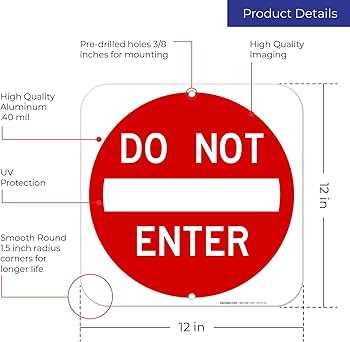
In addition, inappropriate marks can create distractions. Some symbols may be too visually intense or overly complex, diverting attention from other critical safety information. When workers focus too much on interpreting non-standard symbols, they may miss out on essential instructions or warnings.
Lastly, certain designs simply lack practicality in real-world industrial settings. Highly stylized or abstract icons might be harder to recognize, especially for workers who are not familiar with them. In these cases, simpler, more intuitive designs are far more effective for conveying the necessary message quickly and clearly.
How to Ensure Compliance with Printable Signage Regulations
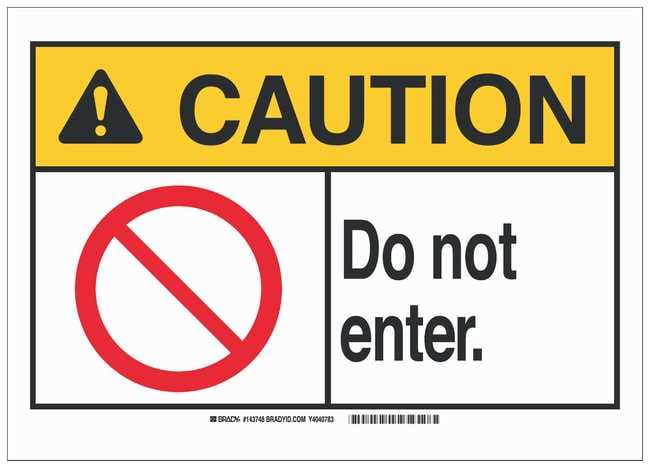
Adhere to size and placement restrictions outlined by local laws, ensuring all displayed content remains within prescribed dimensions. Confirm that all language used aligns with regulations regarding legibility, readability, and appropriateness. Thoroughly check the material composition to verify compliance with fire safety codes and environmental standards. Regular inspections help identify any alterations or damages that might result in non-compliance.
Review updated local guidelines frequently and document changes in your records for transparency. Incorporate feedback from regulatory bodies and address potential concerns proactively. Before finalizing a display, seek permission from relevant authorities to confirm full alignment with legal criteria. Failure to comply can result in fines or forced removal of installations.