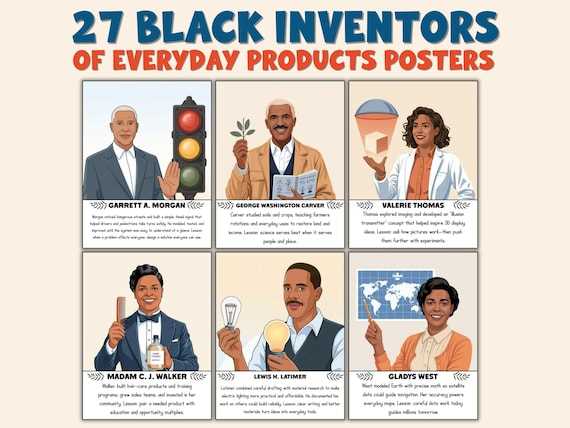
Create a visual resource highlighting the remarkable contributions of African American pioneers in the fields of science, technology, and engineering. Focus on individuals whose innovations have significantly impacted industries ranging from medicine to electronics. This guide provides practical steps to craft an informative and educational display to honor their achievements.
How to Design a Visual Tribute to African American Innovators
Start by selecting key figures whose work had a lasting impact. Some notable names include George Washington Carver, who revolutionized agricultural science, and Garrett Morgan, who invented the traffic light. Choose individuals who represent a variety of fields to give a broad perspective on their contributions. Create a layout that incorporates both portraits and a brief description of their most important accomplishments.
Next, use clear, bold fonts for the text to ensure readability. Each person’s name should stand out, followed by a concise explanation of their work. You can include key dates, patents, or inventions. Pair the text with relevant icons or images that visually represent their contributions. For instance, for an inventor in agriculture, include images of plants or farm equipment to emphasize their area of expertise.
Use contrasting colors that align with the theme. A classic, timeless color scheme often works well. Consider using a dark background with lighter text, or vice versa, to create visual contrast and enhance legibility. The goal is to keep the design simple yet striking enough to engage viewers. A poster should be easy to digest at a glance while encouraging deeper reflection on the individuals’ accomplishments.
How to Display and Use This Educational Tool
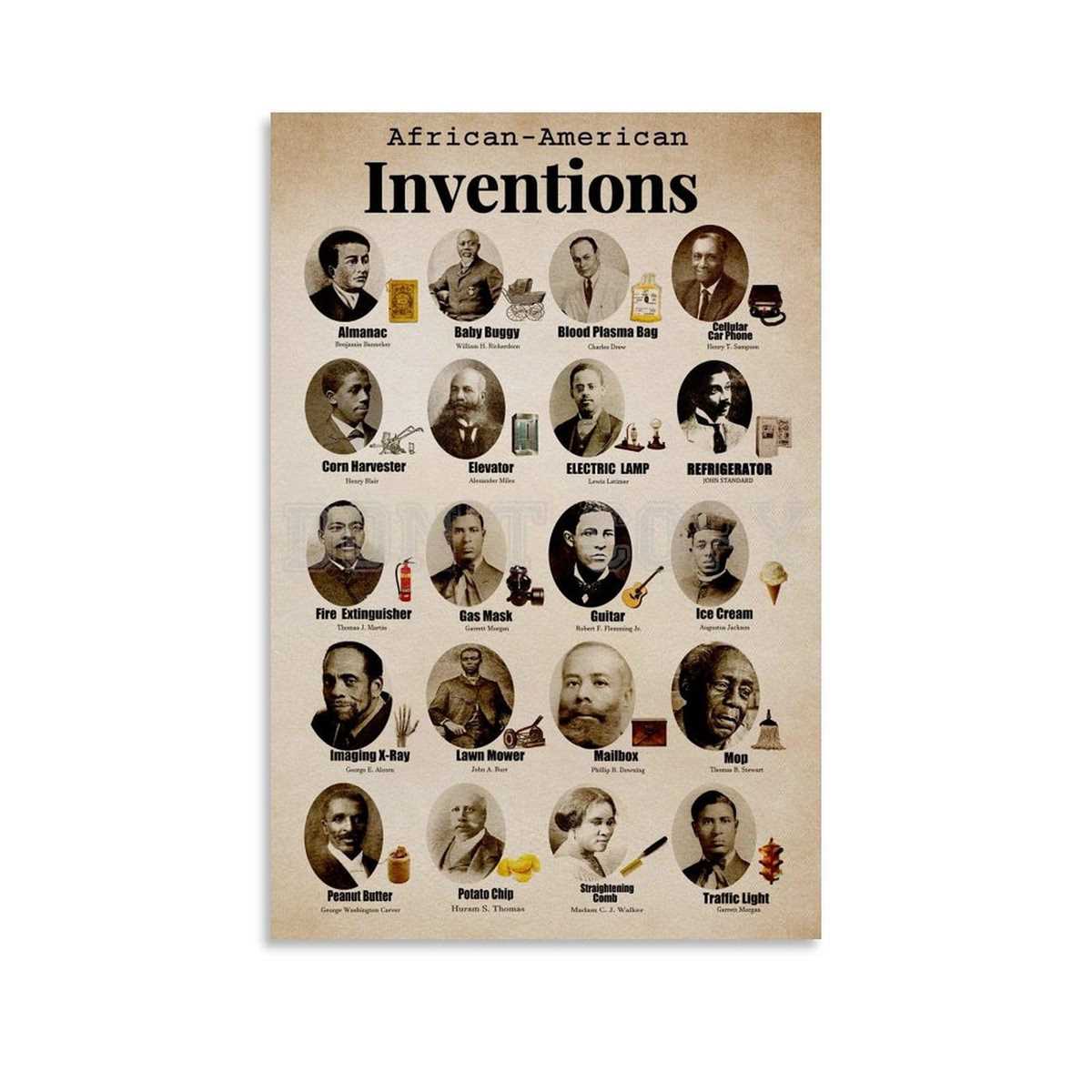
This display can be used in classrooms, libraries, or public spaces to inspire learning and reflection. Place it in areas with high foot traffic so that people of all ages can learn about these impactful figures. Schools can use it during Black History Month or integrate it into curriculum studies for a focused lesson on African American inventors and scientists.
Encourage interaction by placing additional resources near the display. Provide books, articles, or links to documentaries about these innovators. This allows visitors to explore further and gain a deeper understanding of their work and impact. You can also invite students to research lesser-known inventors and add them to the display over time, making it a dynamic and evolving educational tool.
Lastly, consider printing the design in various sizes to fit different spaces, from small informational sheets to large posters. Having different versions ensures that the tribute can be displayed in multiple locations, making it accessible to a wider audience.
Printable Black Innovators Tribute Guide
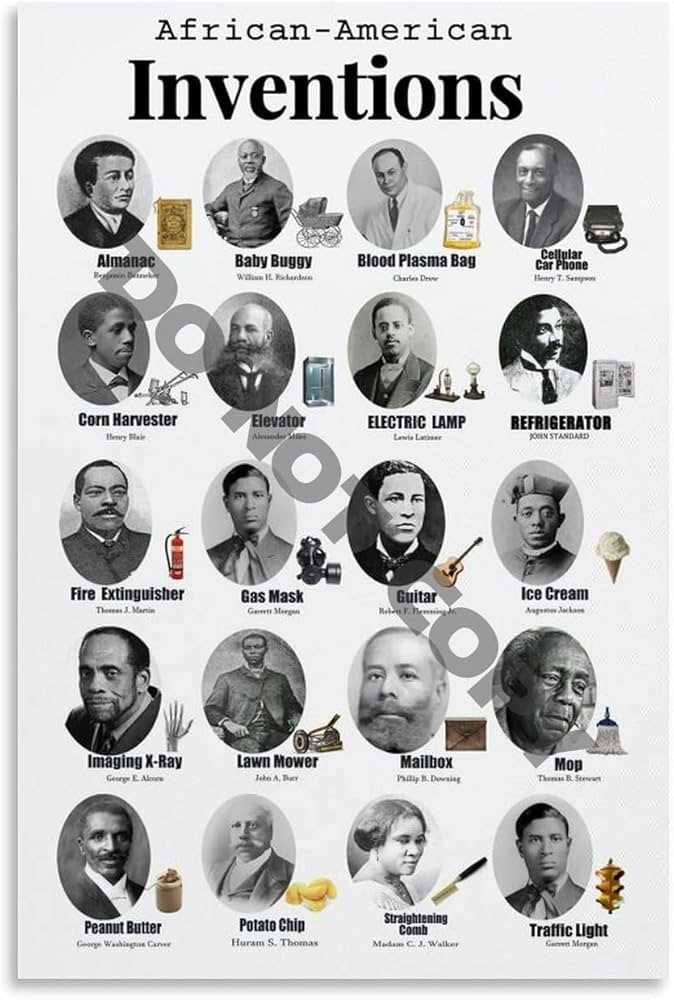
To create an impactful tribute to pioneering African American innovators, focus on accuracy and clarity. Start by researching key figures such as Lewis Latimer, who contributed to the development of the light bulb, and Madame C.J. Walker, a successful entrepreneur and inventor. Use concise descriptions for each individual, highlighting their most significant accomplishments and lasting influence on their respective fields.
Design the layout by placing each innovator’s portrait alongside a brief text that emphasizes their contributions. Choose a balanced color scheme that reflects the theme without overwhelming the information. A simple, clean design helps ensure that the content remains the focal point, allowing viewers to absorb key details quickly.
Consider incorporating symbols or icons that represent each innovator’s field. For example, a mechanical pencil icon could accompany a description of Latimer’s work in electrical engineering. This adds a visual element that enhances understanding and connects each innovator to their achievements.
After creating your tribute, display it in high-traffic educational spaces, such as classrooms, libraries, or community centers. This serves as a reminder of the trailblazing work done by these influential individuals. You can also adapt the tribute by printing different sizes or offering downloadable versions for easier access to a wider audience.