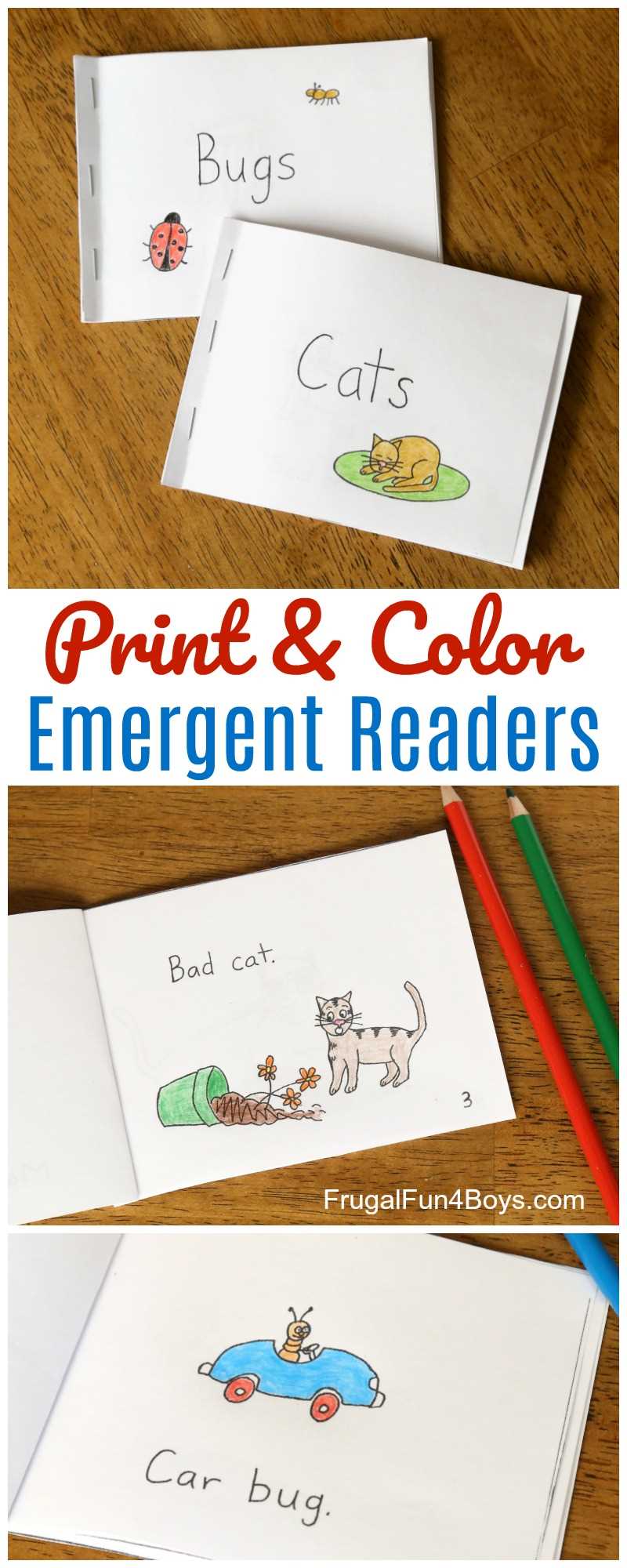
One of the best ways to support early childhood education is by offering children interactive, visually stimulating learning tools. These resources can be downloaded, printed, and used right away for various activities that enhance reading, math, and creativity. Here are practical ways to make the most out of them:
Where to Find High-Quality Resources for Early Learners
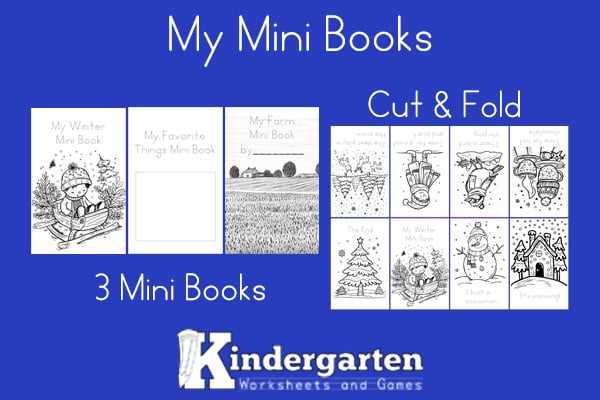
Various websites offer access to free materials designed specifically for young students. Some platforms focus on reading comprehension, while others provide activities that develop math skills, fine motor skills, and creativity. Look for trusted sources that provide age-appropriate, educational materials that are colorful, engaging, and simple to print. Websites like Education.com and The Printable Princess have extensive libraries that meet these needs.
Tips for Selecting the Right Resources
- Age Appropriateness: Ensure the content matches the developmental stage of the child. Materials that are too complex might lead to frustration, while overly simple ones won’t challenge them enough.
- Interactive Elements: Choose resources with puzzles, activities, and tasks that encourage children to participate actively rather than passively observe.
- High-Quality Design: Look for well-designed, visually appealing materials that draw the child’s attention and make learning enjoyable.
Effective Ways to Use Printed Educational Materials
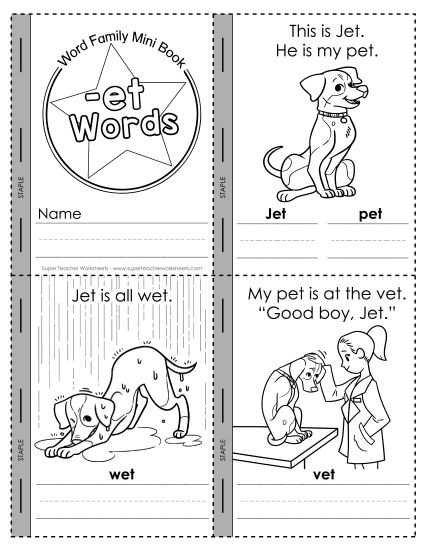
Once you’ve selected the right resources, it’s time to incorporate them into daily routines. Here are specific ideas to maximize the impact of these activities:
Incorporating Tasks into Routine Learning
- Daily Learning Sessions: Set aside 15-20 minutes each day for activities. Use a mix of tasks like tracing letters, solving simple math problems, or matching images to words.
- Creative Craft Time: Encourage children to cut out shapes, colors, or characters from printed pages to create their own stories and crafts. This hands-on activity boosts fine motor skills and fosters imagination.
- Storytelling and Reading Practice: Use printable story cards or simple reading passages to practice verbal storytelling and improve vocabulary. This also builds comprehension skills.
Engagement through Variety
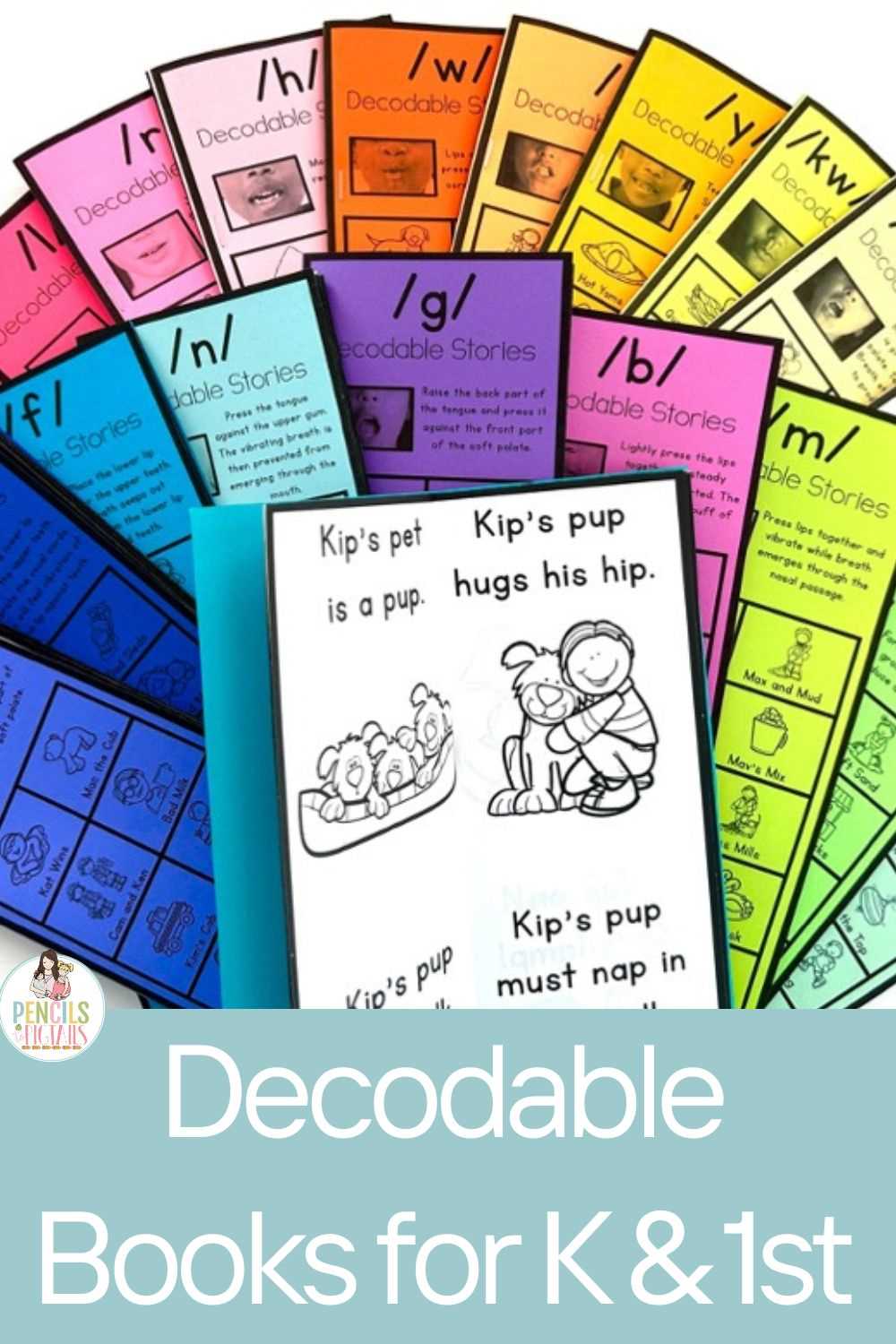
- Changing the Activities Regularly: Keep things fresh by rotating through different kinds of tasks–worksheets one day, crafts the next, and simple games another day.
- Make Learning Fun: Gamify the experience by adding rewards or creating a progress chart. Kids stay motivated when they can see their achievements.
Using these resources will not only enhance children’s learning but also make the experience enjoyable and engaging. The key is finding the right materials and incorporating them into everyday life in a fun and interactive way.
Accessing Educational Resources for Early Learners
Visit platforms like Education.com and The Printable Princess to find a wide range of resources tailored to young children. These sites offer numerous downloadable materials designed to improve literacy, numeracy, and motor skills. Always look for resources created by educational experts to ensure the content aligns with developmental milestones.
When selecting materials, check for age-appropriate designs. Activities with clear, colorful images and simple instructions keep children engaged and help them understand the task. Stick to resources with a minimal amount of text on each page to avoid overwhelming young learners. Simple, uncluttered layouts support better focus and comprehension.
If you’re focused on building language skills, seek out printable sheets that include interactive elements, such as matching words with pictures or completing sentences. These activities not only help children learn new vocabulary but also encourage them to think critically about language and meaning.
Use hands-on materials to keep children actively involved. For example, printable worksheets with shapes, patterns, or puzzles give kids the opportunity to manipulate materials, which supports motor skill development. Encouraging kids to color or cut out shapes from printable sheets also enhances their hand-eye coordination and fine motor skills.
To maximize the educational value, use these resources alongside physical objects. For example, when working with shape recognition activities, use real-life objects like blocks or toys to reinforce learning. This multisensory approach can make abstract concepts more tangible and easier to understand.
Don’t forget to incorporate repetition. Repeating tasks from different angles (such as word matching, counting, or tracing) helps reinforce learning. You can rotate through various themes to keep things fresh while revisiting the same skills, such as practicing numbers one day and letter recognition the next.
Lastly, make the learning experience enjoyable by celebrating small successes. Use a reward system, such as stickers or extra playtime, to keep children motivated. This simple technique can significantly improve their engagement and eagerness to learn, even when the task is challenging.