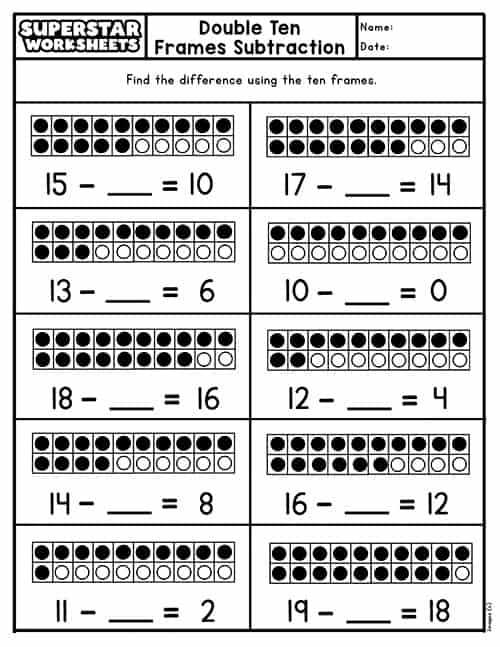
For young learners, practicing counting and basic arithmetic can be much easier with a simple grid of 10 cells. This format helps children visualize numbers and understand their relationships. It is a straightforward way to introduce addition and subtraction, making it a go-to tool for early math education.
To start, print out a grid with 10 spaces. Children can fill these spaces with objects like coins, stickers, or even drawings. This method makes abstract concepts more tangible and builds confidence as kids see their progress physically. The 10-cell grid is also flexible enough to use in various learning activities, from simple counting to more complex addition exercises.
For more advanced exercises, you can adjust the layout, adding multiple grids or changing the color of the cells to represent different values. A simple design allows for many variations, making it suitable for different age groups or learning speeds. Try using different types of grids to challenge your child and keep the learning experience fresh and engaging.
Printable 10 Frame: A Practical Guide
Start by creating a simple 10-cell grid on paper or a whiteboard. Use this layout to help children practice counting from 1 to 10. Fill each cell with a visual cue like a dot or a number card. This allows learners to see the progression of numbers and enhances their understanding of quantity. For younger students, this grid can serve as a tactile way to grasp basic addition and subtraction concepts.
Once they are comfortable with simple counting, encourage children to use the grid for basic math operations. For example, add objects to the cells while practicing addition, or remove them to practice subtraction. This visual representation helps students understand how numbers interact, making abstract concepts more concrete and easier to grasp.
To challenge more advanced learners, introduce multiple grids. You can combine two 10-cell grids to work with numbers up to 20, or modify the layout to show how tens and ones break down. You can also use different colors or symbols in each cell to differentiate between various groups of numbers or operations, making learning more engaging and visually stimulating.
For easy access, many online platforms offer free downloadable grids. Choose a design that suits your child’s current learning level. Customize the grid by adjusting the size of the cells or adding labels to further reinforce math skills. Having a set of grids ready to go can make practice time more efficient and focused.
How to Use Printable 10 Frames for Early Math Practice
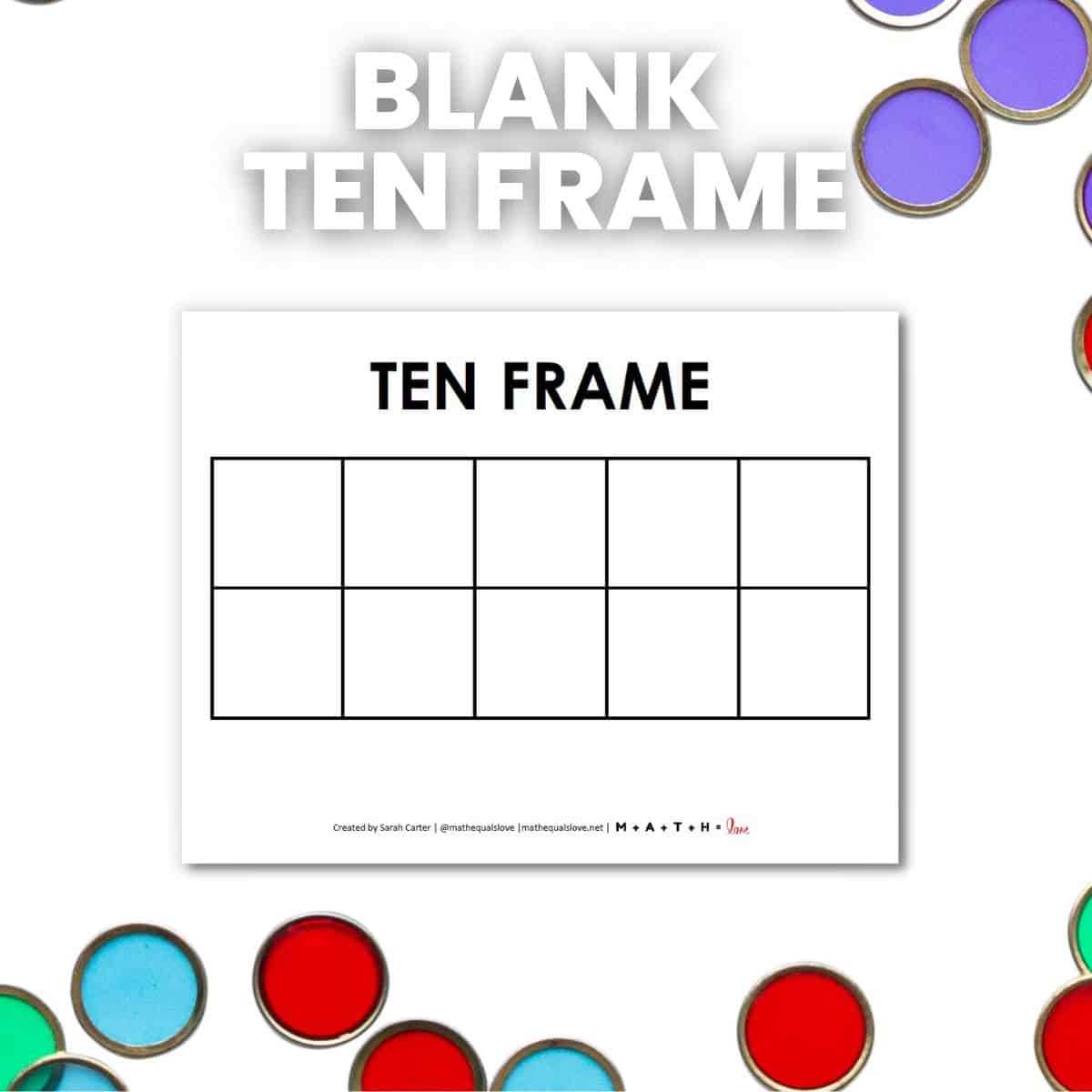
Begin by filling the 10-cell grid with objects like buttons or counters. This hands-on approach allows children to visualize numbers and see how counting works. For addition exercises, place objects in the first few cells, then ask the child to add more and count the total. This simple setup can help them understand the concept of combining numbers.
To practice subtraction, remove objects from the grid and ask the child to count how many remain. For more advanced practice, use a second grid to work with numbers beyond 10. You can also challenge them to compare different groupings by counting how many objects are in each row or column, improving their number sense and spatial understanding.