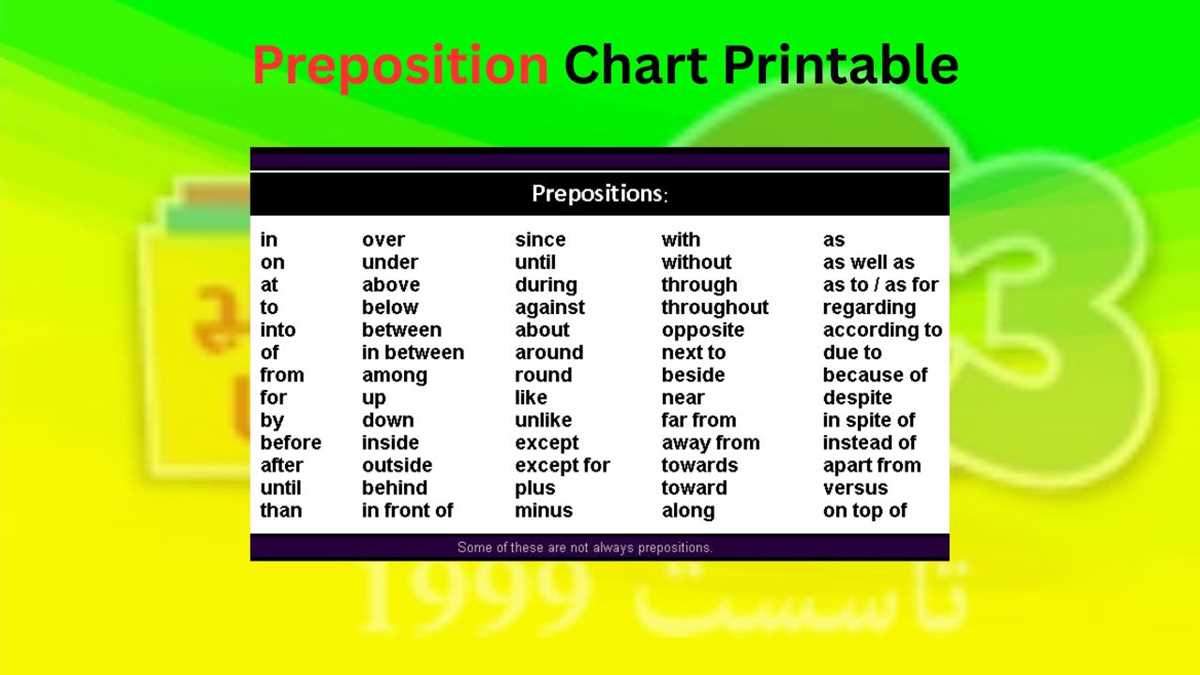
How to Apply Connectors for Better Sentence Structure
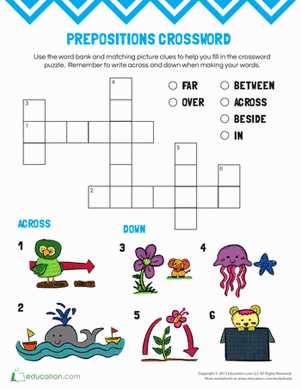
To enhance clarity in your sentences, it’s important to use the right connecting words. These words help show the relationship between ideas and create logical flow. For example, words like “above,” “behind,” and “between” can link nouns or pronouns to other elements in a sentence, making the meaning clearer. For actions or locations, “under,” “over,” and “in front of” can specify spatial relationships. Use these connectors to indicate where things are in relation to others, helping your audience follow your ideas easily.
Another common connector group involves time, such as “before,” “during,” and “after.” These indicate when actions or events occur in relation to others. “After” can describe what follows, while “before” shows what precedes. By using these terms properly, you can place actions in chronological order, making it easy for your reader to understand the sequence.
Avoiding Common Errors with Sentence Connectors
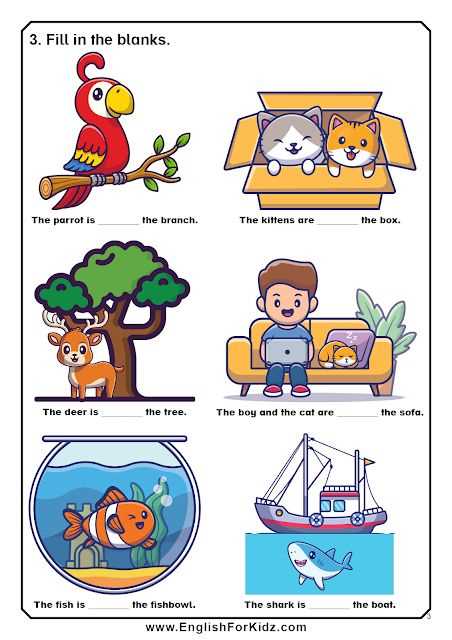
One of the most frequent mistakes people make is misplacing connectors or using them in the wrong context. For instance, using “between” instead of “among” when talking about more than two items can confuse readers. Remember that “between” typically refers to two elements, while “among” is used when referring to three or more things. Misuse of terms like “at,” “on,” and “in” can also lead to unclear or grammatically incorrect sentences. Always ensure you’re using these words in the right context to avoid miscommunication.
Another error is overusing the same connector throughout a piece of writing. While it’s easy to rely on common words like “in,” “on,” or “for,” it can make your writing feel repetitive. Instead, diversify your connectors by mixing in alternatives such as “within,” “alongside,” and “next to.” This not only makes your writing more interesting but also ensures you convey the right meaning in different situations.
Using Connecting Words for Clear Sentence Construction
One of the easiest ways to structure your ideas clearly is by using common connectors like “under,” “around,” and “between.” These words help express the relationship of objects or actions to other parts of a sentence. For instance, “under” indicates a position below something, while “between” shows the relationship involving two items. Using these connectors correctly can help make your writing much clearer, especially when you need to describe direction, location, or time.
To avoid confusion, it is helpful to learn specific examples for different types of expressions. Words such as “over” and “under” are often used when referring to locations, while “before,” “after,” and “during” are used to show time. Correct use of these terms will allow you to easily link events or locations in your sentences. Practicing these can improve your ability to communicate spatial and temporal information effectively.
Using a variety of connectors will help your writing flow naturally. For example, try using alternatives such as “in front of,” “beside,” or “next to” when describing spatial relationships. This will prevent repetition and keep your writing engaging. Similarly, for time-related words, alternate between “during” and “at” depending on the context, as they may have slightly different implications in different situations.
Another helpful strategy is familiarizing yourself with phrases that incorporate these words. For example, “in the middle of” or “on top of” are often used in casual writing or speech. Mastering such expressions will give you a greater range of ways to structure your thoughts, whether in formal or informal contexts. Remember to adapt the word choice depending on what you’re trying to convey for clearer and more precise communication.