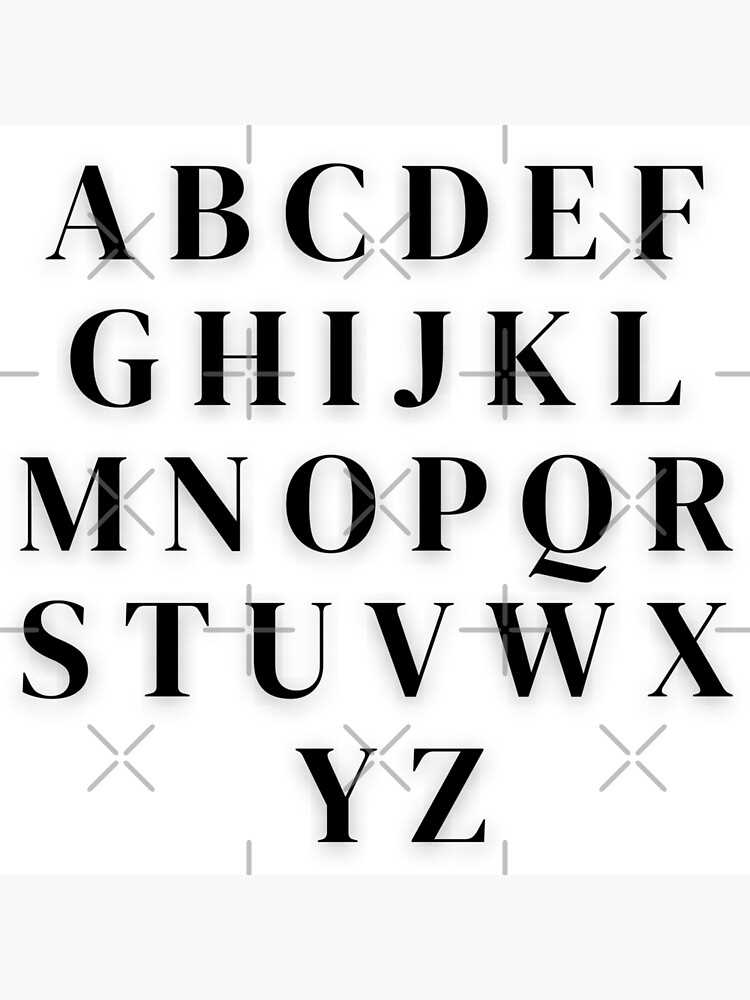
For anyone seeking to add a personal touch to their crafts or designs, utilizing pre-made typographic templates can be a great solution. Whether you’re working on home decor projects or preparing a school event, these customizable designs offer flexibility and style with minimal effort. Below are practical tips to help you make the most of these stencils and integrate them seamlessly into your work.
Choosing the Right Template for Your Project
There are various types of typographic patterns available that cater to different needs. When selecting one for your project, keep these factors in mind:
- Size: Make sure the design fits the space you want to fill. Larger designs are perfect for wall art or banners, while smaller ones work well for labels and greeting cards.
- Style: Choose between clean, sharp fonts or more decorative, flowing types based on the mood you wish to convey.
- Letter Spacing: Adjust the spacing for a more airy, open feel or a compact, stacked arrangement.
Techniques for Perfect Application
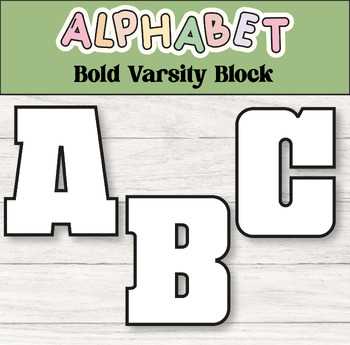
Getting precise results is essential for a polished final look. Here are some techniques to help you achieve the best results:
- Tracing with a Pencil: Lightly trace over the design with a pencil before using markers or paint. This gives you the flexibility to correct mistakes without ruining the surface.
- Using a Ruler: For consistent spacing and alignment, employ a ruler or guide for even letter placement, especially in larger designs.
- Paint or Ink: Experiment with different mediums. Acrylic paints work great for textured surfaces, while ink pens can deliver sharp, defined lines on smoother materials.
Creative Applications for Home and Events
Printable typographic patterns can be used for a wide array of projects. Here are some innovative ways to incorporate them:
- Wall Art: Create bold focal points by printing oversized designs on canvas or fabric.
- Signage: Whether it’s for a party, wedding, or business event, stencils are a quick way to make signs that stand out.
- Personalized Gifts: Use unique fonts to make custom t-shirts, tote bags, or mugs that are perfect for gifting.
Printing Tips and Troubleshooting
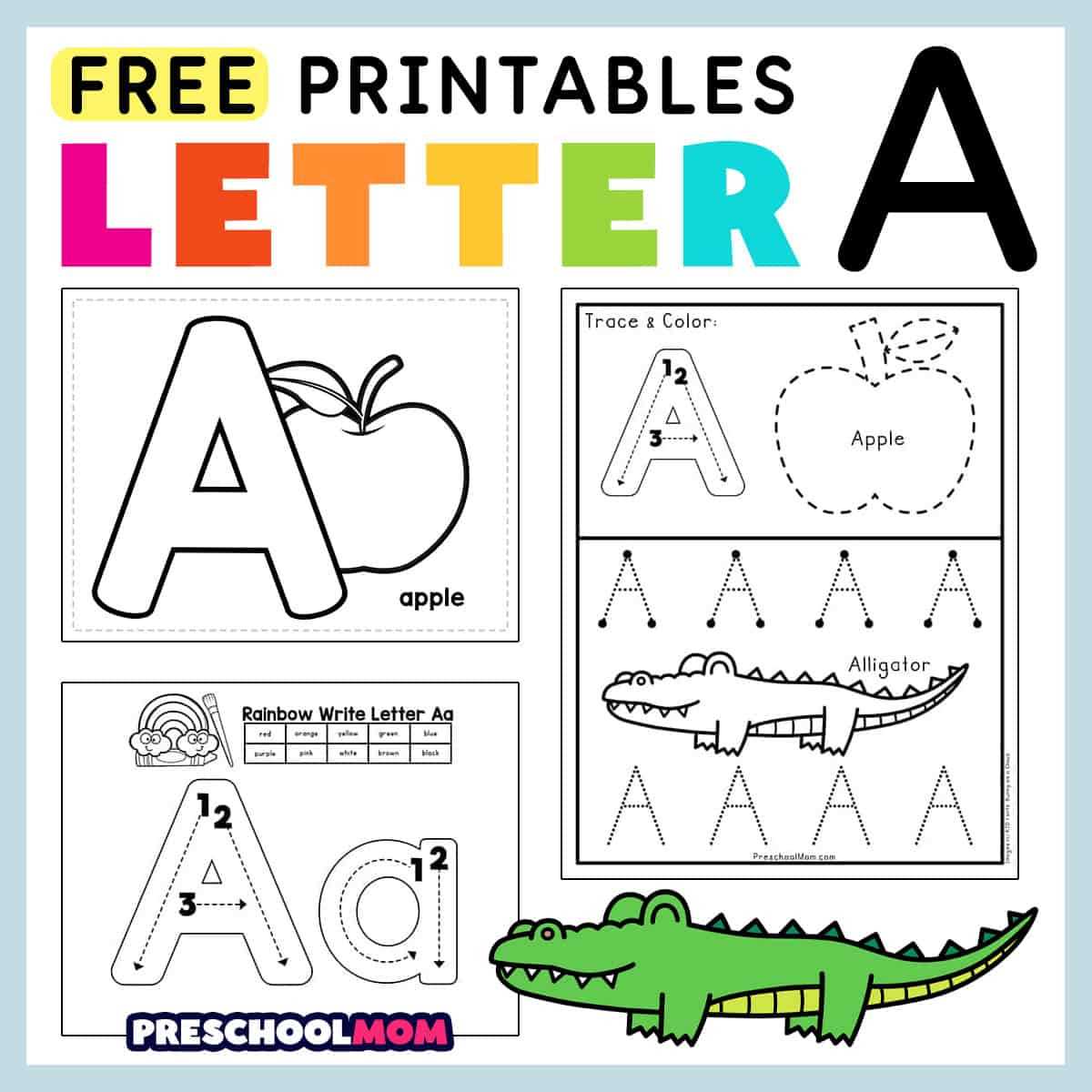
Before printing your design, it’s important to ensure your printer settings match the material and size of your design. Some common issues include:
- Paper Size: Double-check that the template fits the size of paper you are using. If you want to print larger designs, consider using a printing service or setting up a tiling method to print in sections.
- Ink Quality: Ensure your ink is of high quality to prevent smudging. Some surfaces require special inks, especially if you are working with fabric or wood.
- Alignment: Always preview your design to confirm proper alignment before printing. Misaligned text can affect the overall impact of your design.
By following these simple techniques, you’ll be able to enhance your projects with unique and professional-quality designs. Take advantage of the variety of available templates and explore the possibilities they offer for both personal and commercial applications.
Creating Bold and Customizable Print Designs
For a clean, structured look, choose a font that highlights clarity and simplicity. Opt for a sans-serif style with thick lines that stand out when printed, such as Arial or Impact. These types of designs work well for both decorative purposes and practical signage. Use software that allows you to adjust the font’s thickness and size to suit your needs, providing both legibility and visual impact.
Once you’ve chosen the right typeface, consider playing with the size and spacing of your characters. A larger size can make your design more prominent, while adjusting the letter spacing (kerning) will prevent the text from looking crowded. This is particularly useful for creating banners or posters where the message needs to be visible from a distance.
To enhance the printed appearance, choose high-quality paper or cardstock. This ensures that the print remains sharp and does not smudge. For long-lasting durability, use thicker paper or opt for a glossy finish. This type of material holds ink better, preserving the sharp edges of your font and preventing fading over time.
Don’t limit your design to just text. Adding simple graphics or icons can complement the typography. For instance, a bold letter could be paired with a minimalistic border or background shape to create a more dynamic composition. However, ensure the embellishments don’t overpower the clarity of the text itself.
Experiment with colors that contrast well against your print medium. Black ink on white paper creates a classic and professional look, but you could also use dark, solid shades on lighter backgrounds for a modern feel. Consider your audience when choosing color schemes, especially for promotional materials or event invitations.
For those who want to go beyond the basics, explore online resources for unique designs that can be customized further. Many platforms offer free and premium templates that can be edited to suit different occasions, from business branding to personal events. These can be downloaded and printed at home or at a print shop for high-quality results.