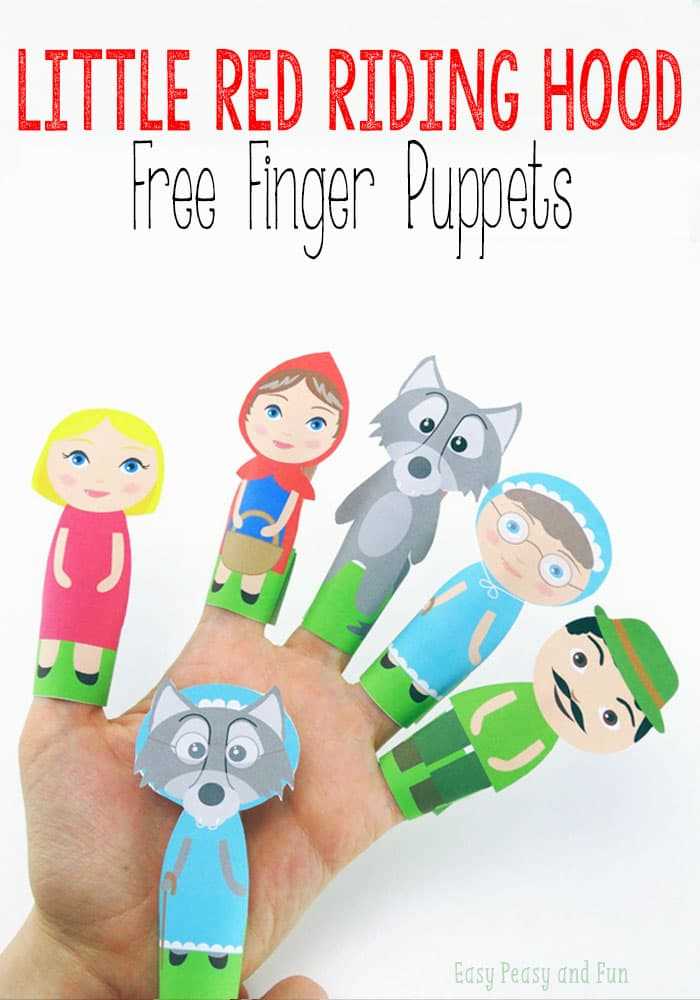
Use 180 gsm matte stock, set scale to 100%, and leave a 7 mm overlap so each paper hand character fits securely without slipping.
Materials, Sizing, and Output Settings
Select matte paper between 160 and 200 gsm; thinner sheets crease too easily, thicker sheets resist clean folding. Print at 300 DPI with margins enabled to avoid clipped edges.
- Paper weight: 160 gsm for small hands, 200 gsm for repeated classroom use.
- Ink type: pigment ink reduces smearing; drying time about 10 minutes.
- Scale check: measure digit circumference and add 6–8 mm for overlap.
- Color choice: mid-tone palettes keep facial details visible after cutting.
Template Adjustment
Edit width before height to preserve proportions. Lock aspect ratio and test-print a single unit for fit verification.
Assembly, Reinforcement, and Activity Use
Cut along outer lines with fine scissors, crease folds using a blunt tool, and bond seams with a thin layer of PVA applied from base to top.
- Wrap the cutout around the digit to confirm fit.
- Apply glue along the overlap strip and press for 20–30 seconds.
- Add a 5 mm inner paper band for seam strength.
Learning and Play Applications
Use these hand figures for counting drills, short dialogues, and role-play prompts lasting three to five minutes per activity.
Storage and Reuse
Keep finished pieces flat in labeled envelopes. A light outer lamination extends lifespan while keeping flexibility.
Hands-on Paper Figures for Home and Classroom Use
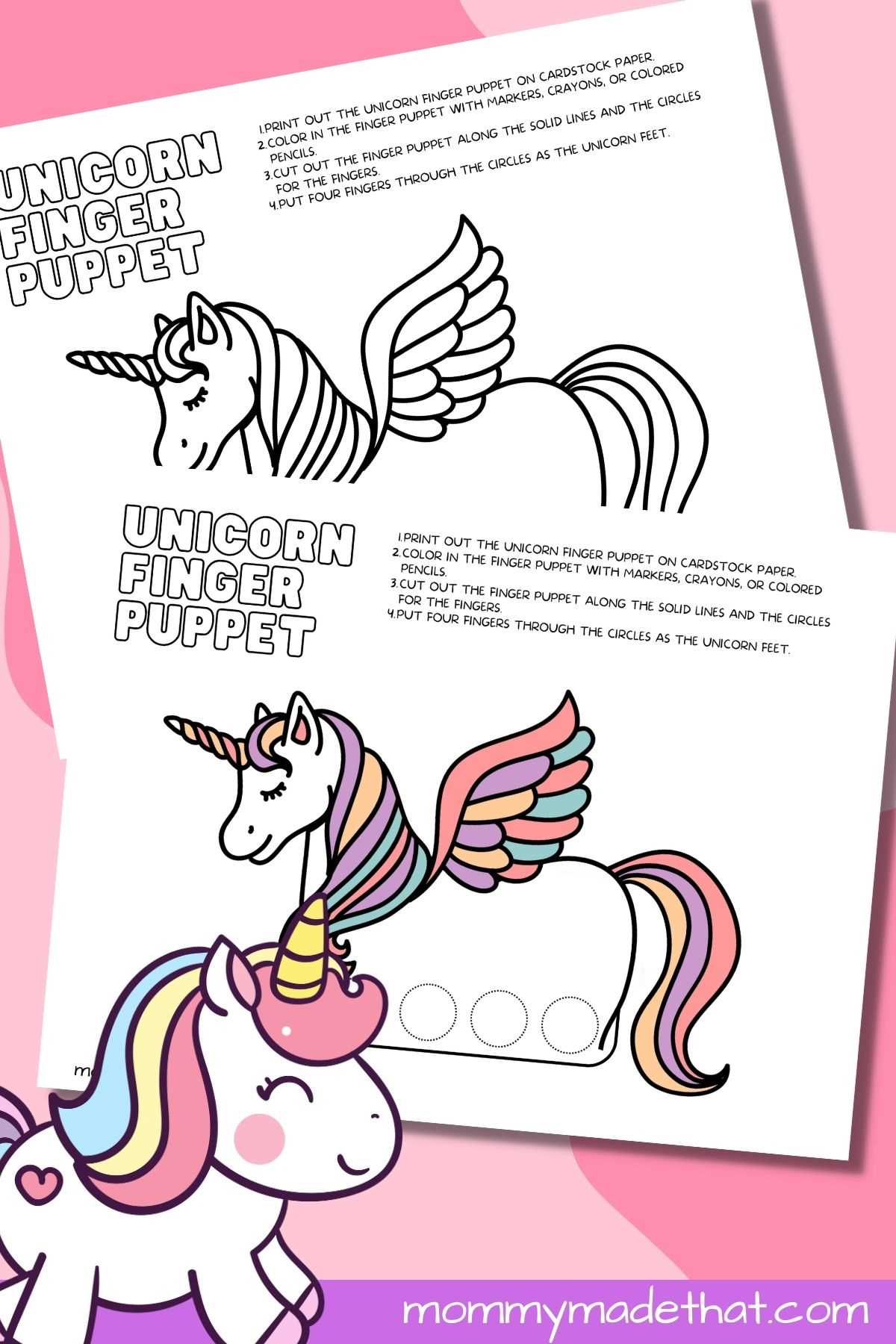
Choose 180–200 gsm matte sheets, scale templates to 100%, and allow a 6–8 mm overlap so each paper character sits securely on a child’s digit without slipping or tearing.
For home use, a standard inkjet with pigment ink prevents smudging during play; allow at least 10 minutes of drying before cutting. In classrooms, pre-cut sets save time: one adult can prepare 25–30 units per hour using precision scissors and a blunt edge for clean folds. Apply PVA adhesive in a thin line from base to top, then press seams for 20–30 seconds to achieve stable bonds that withstand repeated handling.
Classroom tip: store finished figures flat in labeled envelopes by theme. This setup supports quick distribution during math drills, short dialogues, or storytelling tasks lasting three to five minutes, while keeping materials organized and reusable across sessions.