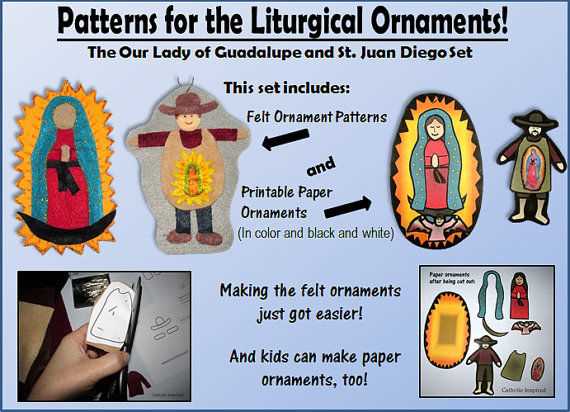
If you are looking to print high-quality images for your home or religious setting, there are specific guidelines you should follow to ensure the best results. First, select images with a resolution of at least 300 dpi (dots per inch) for clarity and detail. This will help the colors and design of the print remain sharp when enlarged or displayed on various surfaces.
Look for sources that offer detailed reproductions of the religious figure, which are often designed to capture both the artistic elements and the spiritual significance of the image. Pay attention to the texture and color of the print material, as certain types of paper or canvas can add depth and richness to the finished product.
How to Choose the Best Image for Your Space
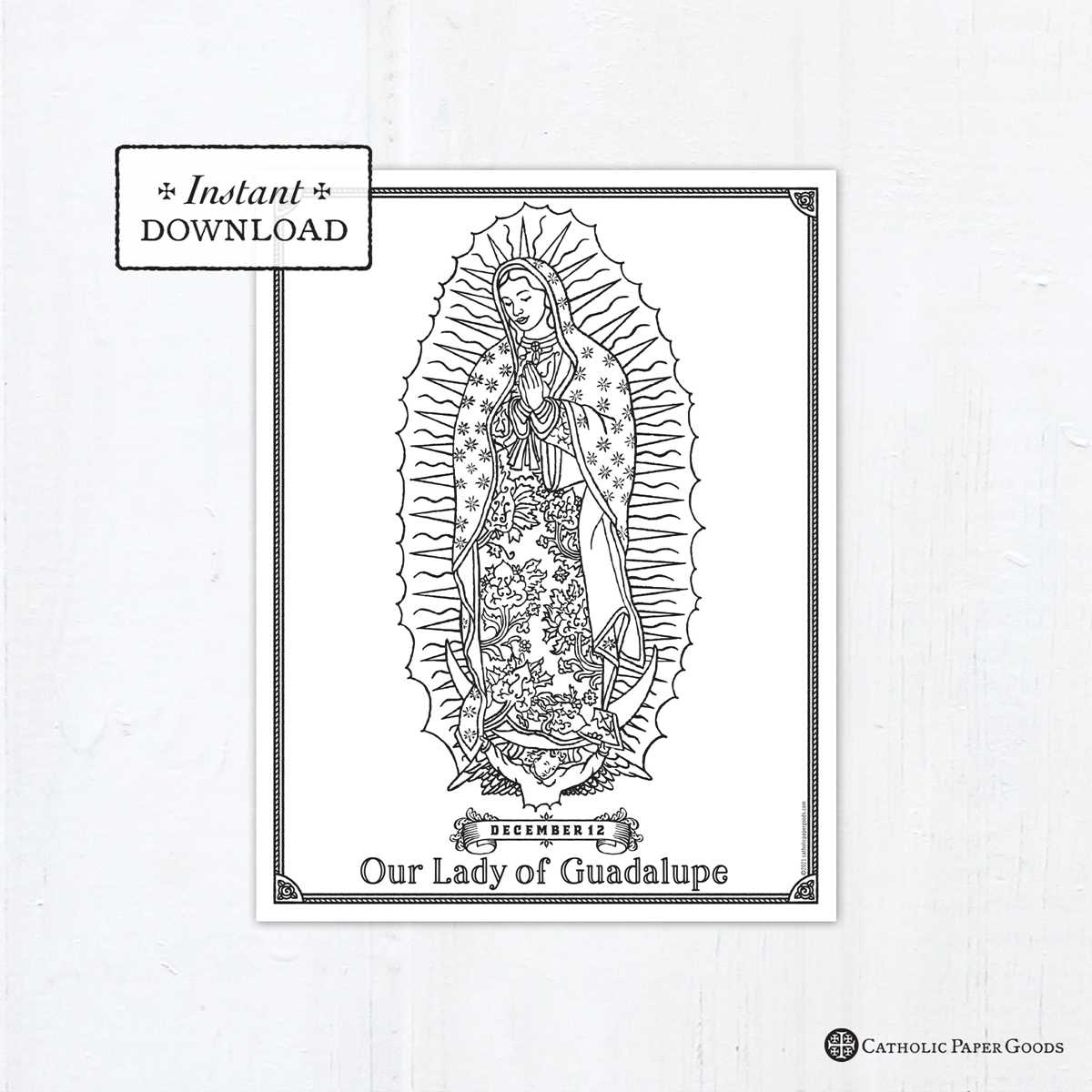
When choosing a representation of the religious figure for display, consider the size and placement in your space. For smaller spaces or personal shrines, opt for a more compact print that can easily be framed or mounted. Larger prints may work well in dedicated areas like altars, offering a dramatic impact in places of worship or devotional rooms.
The style of the image should also align with the aesthetic of your space. Some prints are available in traditional or classic styles, while others may offer a more modern interpretation. Choose a style that resonates with you and fits harmoniously with the surrounding environment.
Printing Options and Materials
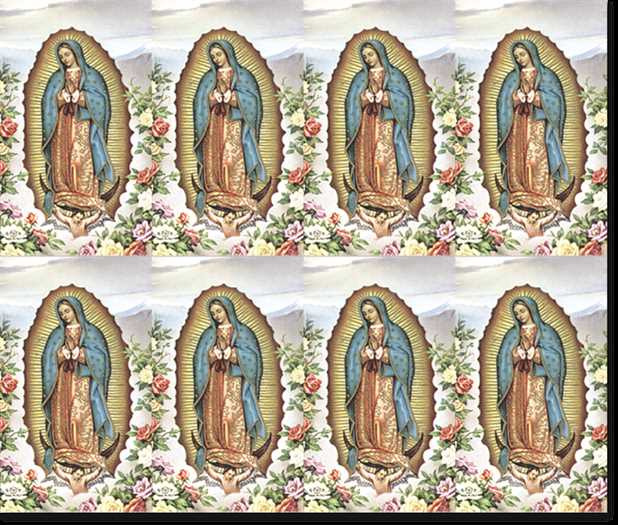
There are a few different materials available for printing these images, including standard photo paper, canvas, and even fabric. For a professional touch, consider using canvas prints, which offer a textured look that adds a fine-art quality to the image. This material also lasts longer and resists fading, making it an ideal choice for prints displayed in sunlight or other areas with exposure to light.
Alternatively, photo paper can produce crisp, vibrant prints suitable for smaller displays or temporary setups. However, these prints may fade over time, especially in high-exposure areas. For best results, use archival-quality photo paper for prints intended to last for many years.
Before printing, ensure your printer settings are optimized for high-quality output. Select the highest print quality option available, and adjust settings like color saturation to match the tone of the original image. This will help prevent any unexpected color discrepancies in the final print.
How to Choose the Right Image for Your Devotional Display
For the most impactful display, select a high-resolution image with a quality of at least 300 DPI. This ensures clarity and crisp details, even if the size of the image is increased. Many sources offer downloadable versions of the religious figure in various artistic styles, so it is important to pick one that matches the mood and tone of your space. Whether you are looking for a traditional portrayal or a modern adaptation, high-quality reproductions are key to maintaining the visual integrity of the image.
Consider the color palette when choosing your print. A vivid, rich color scheme will provide a striking appearance, while more muted tones may lend a serene and peaceful feeling to your space. Select the option that best aligns with your vision for your religious setting.
Printing Techniques and Materials
Once you’ve selected your image, the next step is choosing the right printing material. Photo paper is the most common choice and works well for smaller displays or framed images. It is easy to use and produces vibrant colors. However, if you’re looking for a more durable option, canvas is ideal. Canvas prints are not only more durable but also add an artistic touch, making them a popular choice for religious imagery.
When printing on canvas or photo paper, always ensure your printer settings are optimized for the best output. High-quality printers should be used for this purpose, especially if you want to maintain accurate colors and fine details. Additionally, ensure that your printer has the appropriate ink to achieve the best color accuracy.
Where to Display the Image for Maximum Impact
Consider the placement of the print once it is ready. A large image might be better suited to a wall above an altar or a space meant for prayer, while smaller prints work well on mantels, bedside tables, or in personal devotional corners. Be mindful of the surrounding environment; select a location where the image can be viewed clearly and comfortably, as this enhances the overall devotional experience.
Frames and Mounting Options
Choosing the right frame is essential for creating a polished look. Opt for a frame that complements the style of the image and the room it will be placed in. Wooden frames, for example, may suit traditional depictions, while sleek, modern frames can match more contemporary designs. If you choose canvas, consider stretching the material onto a wooden frame to avoid the need for an additional outer frame.
Also, take care in the mounting process. For a long-lasting display, use secure hanging hardware, and ensure the frame is positioned properly to avoid damage from shifting or gravity.