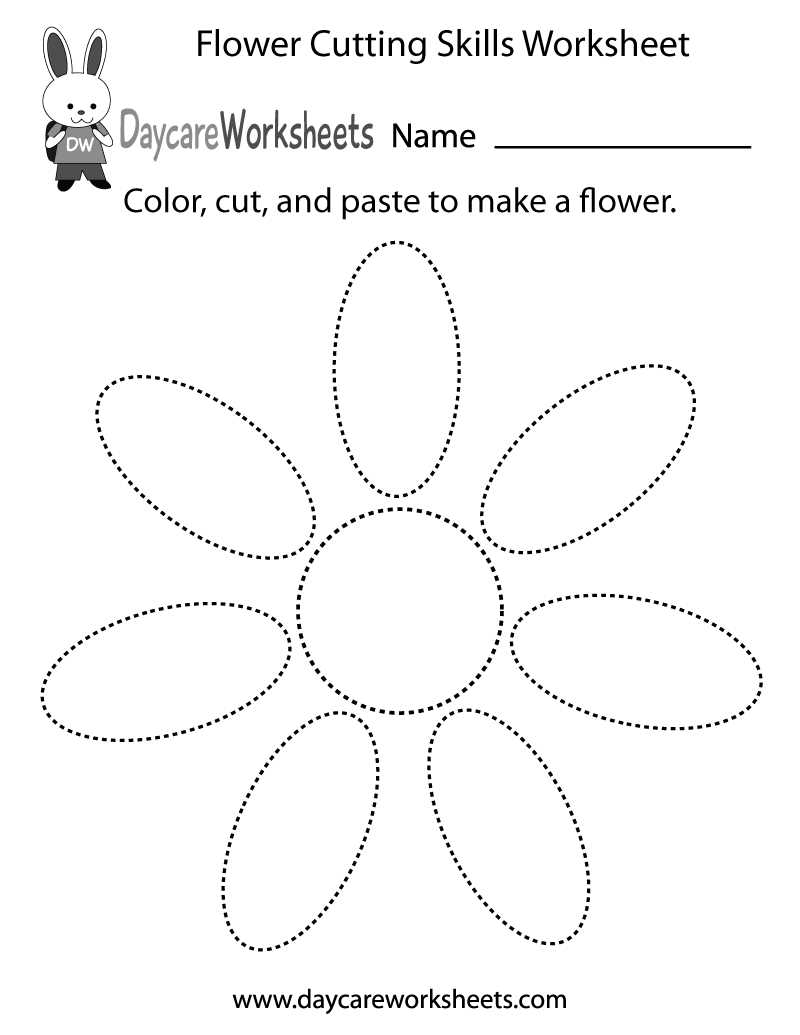
To help children master hand coordination and improve their dexterity, start with simple activities that involve cutting along straight lines. These exercises are great for beginners and allow kids to develop control over scissors, building confidence as they progress. Start by providing images or patterns with thick lines that are easier to follow and cut through.
As they advance, introduce more intricate designs such as curves, zigzags, or even basic shapes like circles and triangles. These activities not only help strengthen motor skills but also improve focus and precision. By using a variety of fun shapes and objects, children will stay engaged and excited to practice. Gradually, increase the difficulty level to keep them challenged and growing.
For added benefit, incorporate colored paper or create collages after the cutting exercise. This way, children can practice organizing pieces and develop creativity while also working on their hand-eye coordination. Make sure to encourage them by praising their efforts and progress, as it will keep them motivated to continue improving their abilities.
How to Use Printable Cutting Worksheets for Skill Development
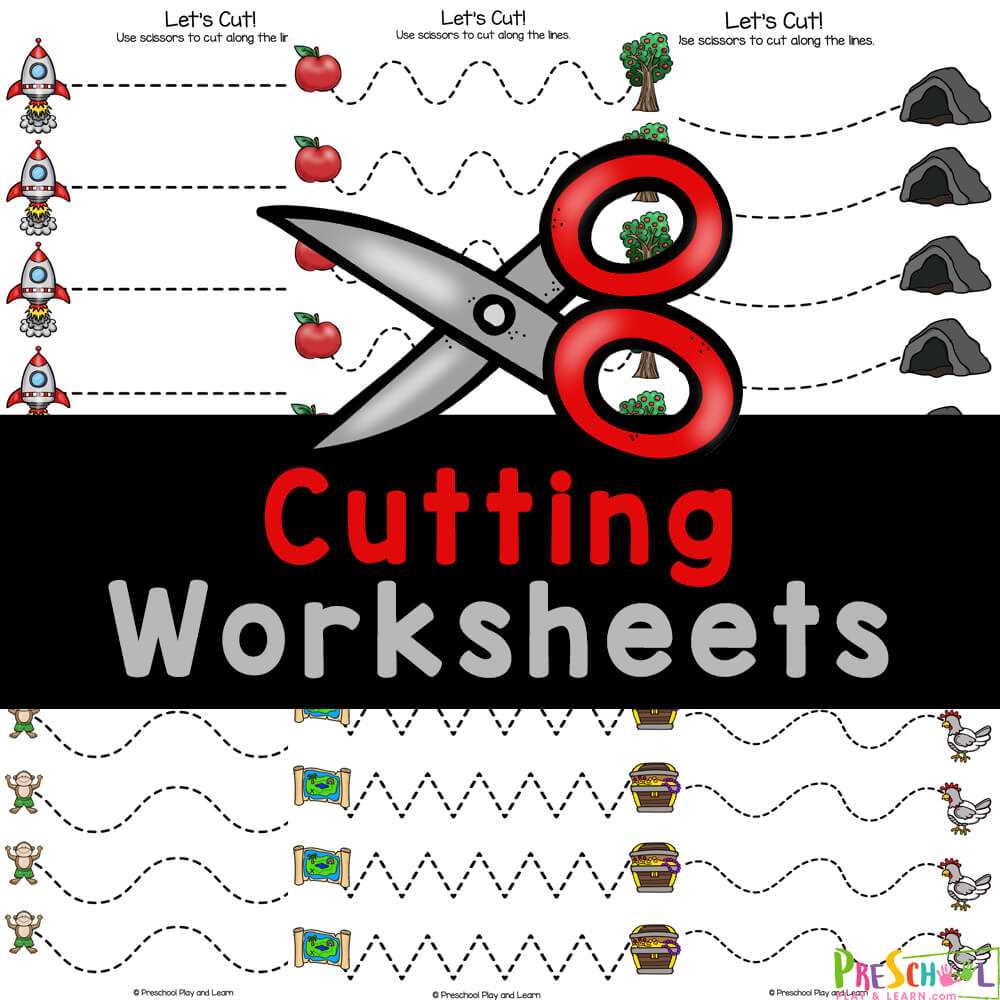
Start by selecting worksheets that feature simple shapes with clear, thick lines. These are perfect for beginners, helping young learners practice holding and maneuvering scissors without feeling overwhelmed. Choose patterns that are easy to follow, such as straight lines, basic geometric shapes, or simple figures like squares and triangles. This allows children to focus on the basic motion required for cutting while building confidence.
Once basic shapes have been mastered, progress to more complex designs. Introduce curves, zigzags, and intricate patterns, which require more precise movements. By gradually increasing the complexity of the patterns, children will develop better control over the cutting process and improve their hand-eye coordination. Be sure to keep the difficulty level appropriate to their current abilities, adjusting as they gain proficiency.
It’s important to encourage repetition during practice. By offering multiple worksheets with similar patterns, learners will reinforce their muscle memory and refine their technique. For example, repeating a design with curvy lines or jagged edges helps children adapt to different cutting motions, ensuring they can handle various shapes in future activities.
Incorporate colorful materials to make the activity more engaging. Using different colored paper not only makes the process more enjoyable, but it also provides a fun way to add creative expression. Kids can cut out colorful shapes and later use them in collages or other craft projects, reinforcing the value of the exercise while stimulating their creativity.
Set aside a dedicated space for cutting practice to ensure safety and focus. A flat surface, such as a table or desk, works best for these activities. Make sure children are using child-safe scissors and are seated comfortably. Always supervise them closely to help with any difficulty they may encounter, offering guidance and encouragement throughout the practice session.
Lastly, track progress by noting the difficulty level of the designs they can now cut independently. Celebrate achievements, whether it’s successfully cutting along a curve or completing a more detailed pattern. Positive reinforcement boosts confidence and motivates continued practice, which is key to mastering these fine motor movements over time.
Creative Cutting Activities for Improving Hand-Eye Coordination
One fun and practical way to enhance motor control is by creating simple puzzles. Print images with shapes like squares, triangles, or animals, and ask children to carefully cut along the lines to form individual pieces. Once they’ve cut them out, challenge them to put the pieces back together like a puzzle. This promotes precision and improves hand-eye coordination while keeping the task exciting and interactive.
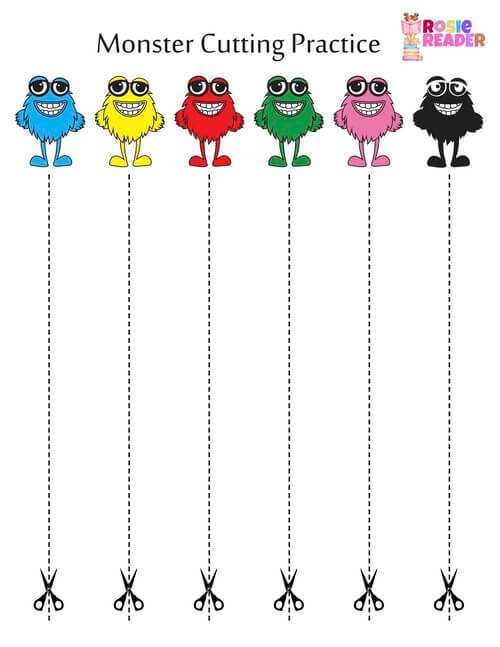
Another engaging activity is cutting out strips of paper to create paper chains or garlands. Start with simple straight lines and then gradually move to cutting more complex patterns like zigzags or loops. This exercise strengthens hand control and requires children to follow specific paths, making it both a creative and technical challenge.
Incorporate color and texture into the activity for additional sensory development. Use different textured papers (like corrugated or glitter paper) or cut out shapes from colorful materials. This not only helps children stay interested but also adds an extra layer of coordination as they navigate varying materials and work with different visual cues.
For a more advanced activity, encourage kids to create layered artwork by cutting out different elements from various colored papers. Have them cut shapes that can overlap, creating depth and dimension. This helps them practice controlling their movements with increasing accuracy and adds a creative, artistic dimension to the task.