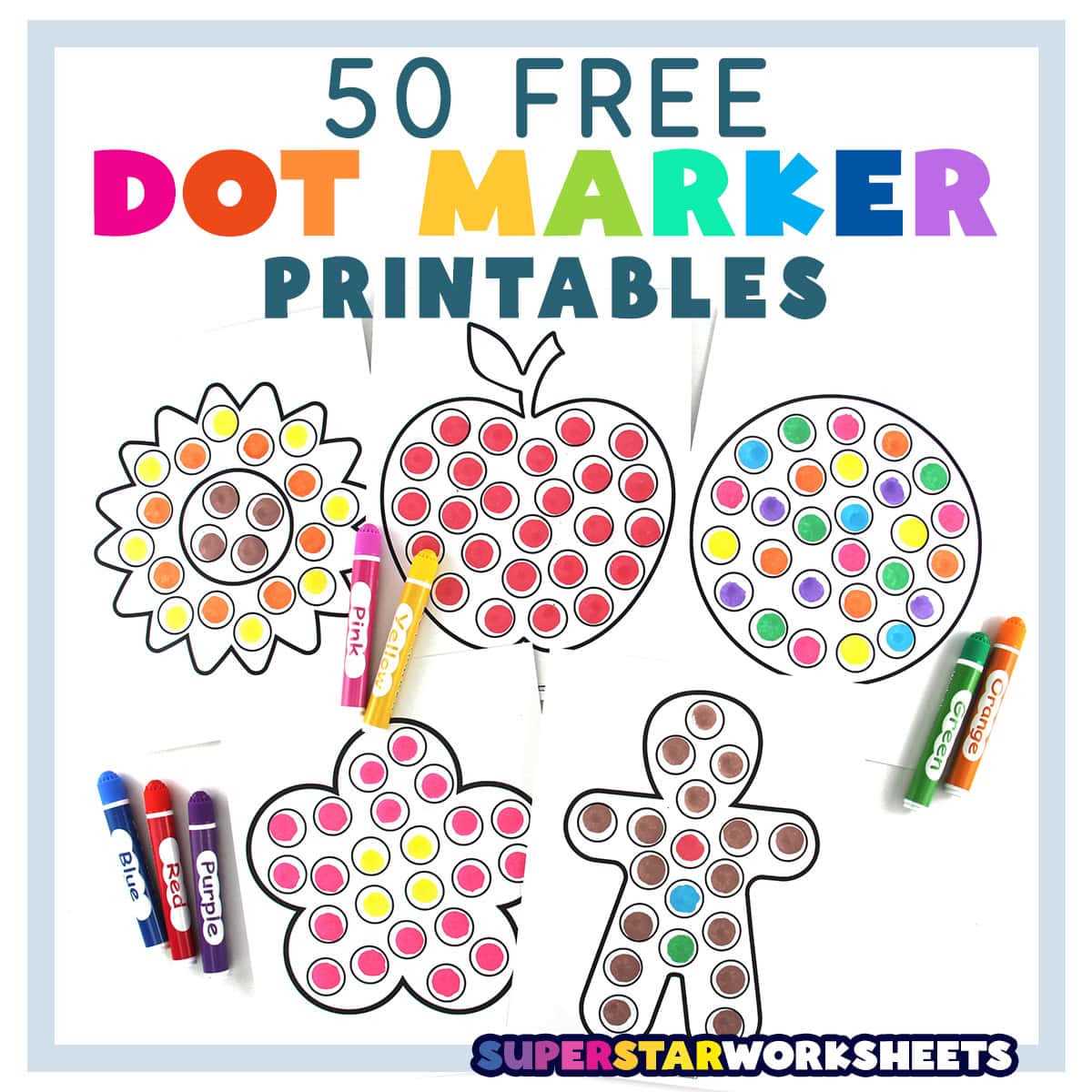
Select point-based activity sheets with numbered circles spaced 1–1.5 cm apart; this distance supports controlled marker use and reduces hand fatigue for children ages 3–6.
Types of Point-Based Art Worksheets
Number-sequence designs help with counting skills when numbers run from 1 to 10 for preschool and 1 to 25 for kindergarten. Letter-guided versions support alphabet familiarity by forming simple shapes or animals.
- Shape outlines built from evenly spaced circles
- Picture builds using number order paths
- Seasonal themes such as animals, vehicles, and weather icons
Keep one image per sheet to avoid distraction and to allow full focus on hand control.
Using Point-Based Art Worksheets at Home and School
Materials and Setup
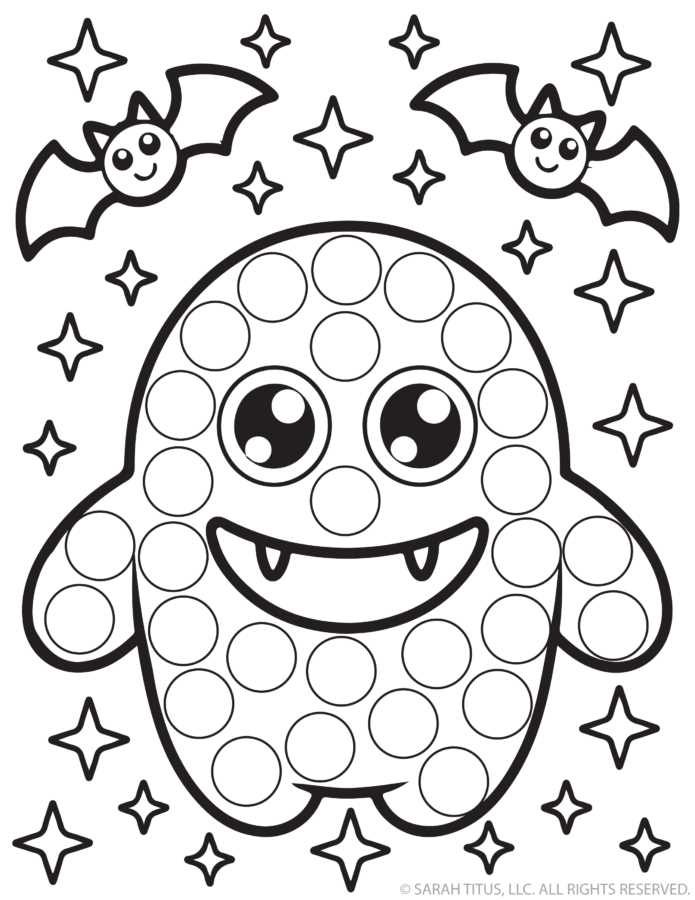
Use washable markers or round sponge daubers with tips no wider than 10 mm. Standard letter paper works well; heavier stock prevents bleed-through during repeated tapping.
Skill Development Focus
Encourage children to follow number order slowly rather than rushing to fill the image. This supports finger strength, wrist stability, and visual tracking.
Reuse and Storage
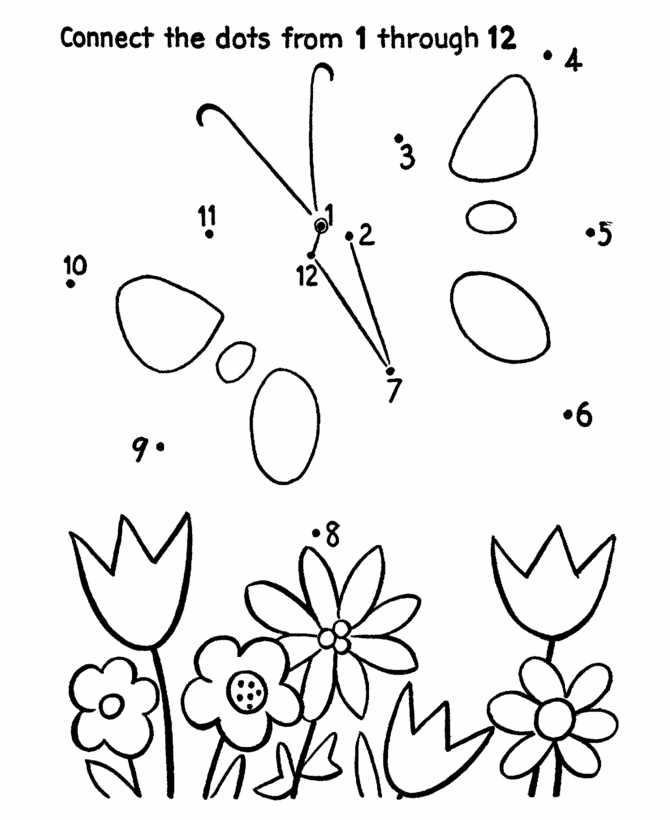
Place completed sheets in clear sleeves so they can be reused with dry-erase markers during centers or quiet time activities.
These point-based art worksheets fit well into fine motor stations, morning work bins, and short independent tasks.
Point-Based Art Worksheets for Skill Practice
Choose activity sheets built from small circles spaced evenly to guide marker placement; a 12–15 mm gap helps young learners maintain control without smudging.
For preschool use, select designs numbered from 1 to 10 so children can follow a clear sequence while forming simple images like animals or vehicles.
Kindergarten groups benefit from layouts using letters or higher counts up to 25, which add cognitive load while still focusing on hand movement accuracy.
Round daubers with tips under 10 mm reduce wrist strain and keep each mark contained inside the guide circles.
Limit each worksheet to a single image and avoid background elements so attention stays on precision rather than decoration.
Store unused copies in labeled folders by difficulty level to rotate tasks during centers or quiet work blocks.