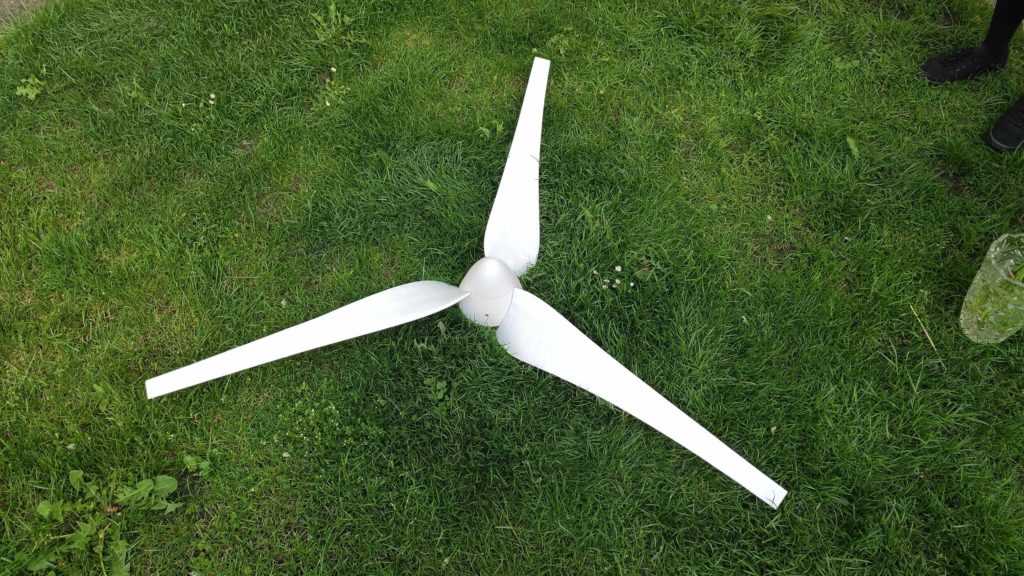
Start by selecting a high-quality material for constructing the rotor blades, such as PLA or PETG, which offer good durability and ease of printing. These materials can withstand moderate mechanical stress and are commonly used for functional prototypes. Choose a filament with a high melting point to avoid deformation under outdoor conditions.
Optimizing the Blade Design
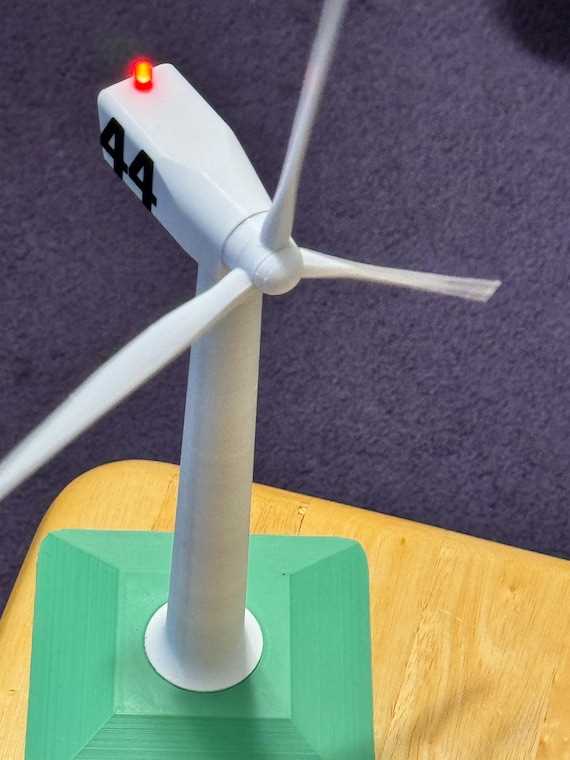
The design of the blades plays a crucial role in determining the efficiency of the system. For optimal performance, focus on the following:
- Aerodynamic Shape: The blades should have a curved profile to efficiently capture airflow. A NACA 4-digit airfoil is a solid choice for small-scale models.
- Length and Width: The size of the blades should match the expected wind conditions. For small-scale use, blades between 30 and 50 cm in length are effective. Wider blades can capture more energy but require stronger structures to support them.
- Blade Angle: The angle of attack (pitch) affects efficiency. For maximum energy generation, set the angle between 5° and 15° relative to the wind direction.
Printing and Assembly Tips
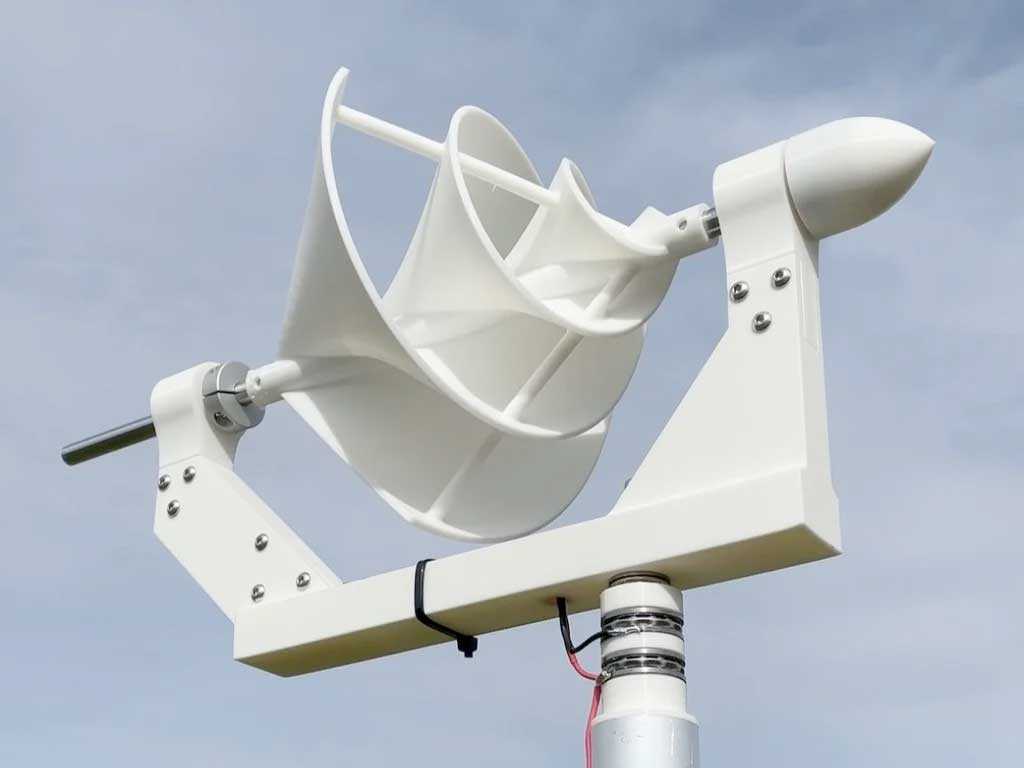
Once your design is ready, proceed with printing using the following guidelines:
- Layer Height: Use a layer height of 0.2 mm to strike a balance between print quality and speed.
- Infill Density: A higher infill density (around 40%) will provide additional strength to the blades. For critical parts like the hub, consider 100% infill for maximum durability.
- Post-Processing: After printing, smooth the blade surfaces with fine sandpaper to reduce friction and increase performance. Ensure the rotor hub is securely mounted to prevent any wobble during operation.
To assemble the components, use a strong adhesive or screws for attaching the blades to the hub. Make sure all parts are aligned correctly to prevent imbalances that could reduce efficiency.
Testing and Adjustment
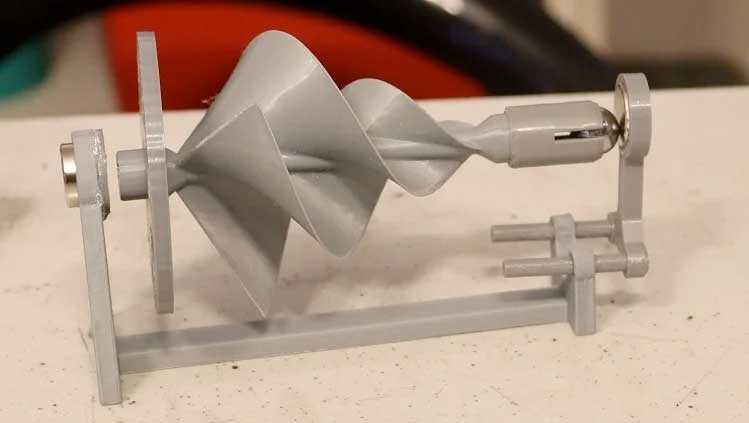
Once assembled, conduct wind speed tests in various conditions to evaluate performance. Adjust the angle of attack or blade length as necessary to match specific energy needs. Monitor the durability of the components, especially the joints, which can wear over time.
Designing a 3D Model for Renewable Energy Generation
Choose the right material for constructing the blades. PLA or PETG are ideal for small-scale models due to their strength and ease of printing. These materials provide sufficient durability for prototypes exposed to moderate environmental conditions. Select a high-temperature filament if outdoor use is expected, as it will prevent deformation under heat.
The blade design must be optimized for capturing airflow efficiently. Focus on creating a smooth, aerodynamic shape to maximize energy capture. A NACA airfoil is a good starting point, as it balances lift and drag for small-scale devices. Avoid overly sharp edges, which can cause turbulence and reduce the performance of the structure.
Consider the length and width of the blades relative to the expected wind conditions. For personal use or small projects, blade lengths between 30 and 50 cm are effective. Adjust the width depending on the amount of space available and the strength of the wind. Larger blades may generate more energy but require more robust structural components.
The pitch angle of the blades plays a key role in energy generation. Setting the correct angle of attack–typically between 5° and 15°–helps optimize the efficiency of the energy capture. Test different angles to identify the best configuration for your specific environment and energy requirements.
Use precise printing settings to ensure the strength and performance of the components. Print at a layer height of 0.2 mm for a balance between resolution and speed. A higher infill density (around 40% to 60%) will add strength to the rotor blades, ensuring they can withstand the forces of the airflow.
Post-processing the printed components is important to enhance performance. Sand the blade surfaces to reduce friction and improve airflow. Ensure the rotor hub fits securely, as any misalignment can reduce the overall performance. Strong adhesives or screws can be used to attach the blades to the hub, ensuring a stable connection.
Test the assembled model in various wind conditions to evaluate its performance. Pay attention to the balance and vibrations, as imbalances can negatively affect efficiency. Adjust the blade length, angle, or alignment as necessary to fine-tune the system and maximize energy output.
Regular maintenance is crucial for the longevity of the components. Inspect the blades and hub periodically for wear and tear. Ensure that the rotor is securely mounted and replace any parts that show signs of significant degradation. This will help maintain the performance of the energy generation system over time.