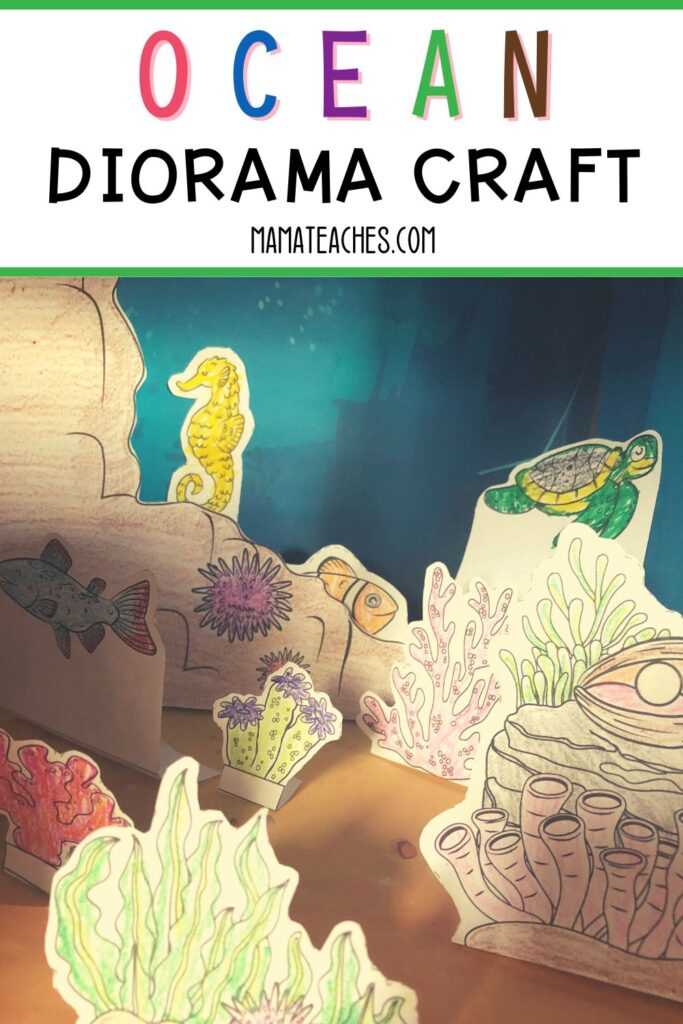
To begin crafting a vibrant underwater world, use a sturdy base like a cardboard box or foam board. This will support the structure and keep everything stable. A deep box works best to give the illusion of depth. Next, cover the interior with a blue or turquoise paint, allowing it to dry completely before moving to the next step.
Gathering the Right Materials
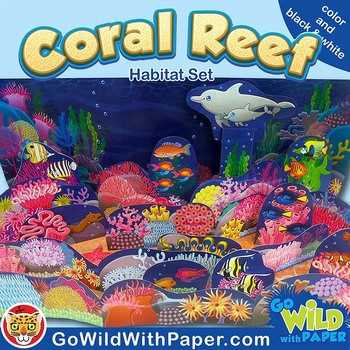
To bring your sea life to life, you’ll need a range of materials. Colored paper, fabric, or even plastic can be used for the water, while fish, coral, and other marine life can be made from craft foam, pipe cleaners, or even small plastic toys. These can be attached using glue or small pins to allow easy rearrangement. Adding textured elements like sand, glitter, or small pebbles will enhance the realism of your design.
Creating Realistic Depth and Details
Adding layers to create depth is key to achieving a three-dimensional look. Place larger objects like rocks or coral closer to the front, and smaller fish or creatures further back. This creates the illusion that some elements are closer to the viewer while others are distant. You can use tissue paper to create soft, flowing textures that mimic underwater currents. Additionally, make sure to add fine details like seaweed, shells, and bubbles for extra life in your scene.
For a finishing touch, use clear plastic or cellophane to create a “glass” effect over the diorama to simulate the water’s surface. This will add a layer of shine and reflect light, making the display more dynamic. If you prefer a more interactive experience, you can even make the sea creatures movable by attaching them to strings or wires, allowing them to “swim” when gently pulled.
Once everything is glued or arranged, let it dry fully before placing your completed scene on display. You can even add a few fun educational elements, like labels for the creatures or a simple map showing the sea levels or locations within your diorama. This way, the project can serve as both a fun craft and a learning tool.
How to Make an Underwater Scene with Simple Materials
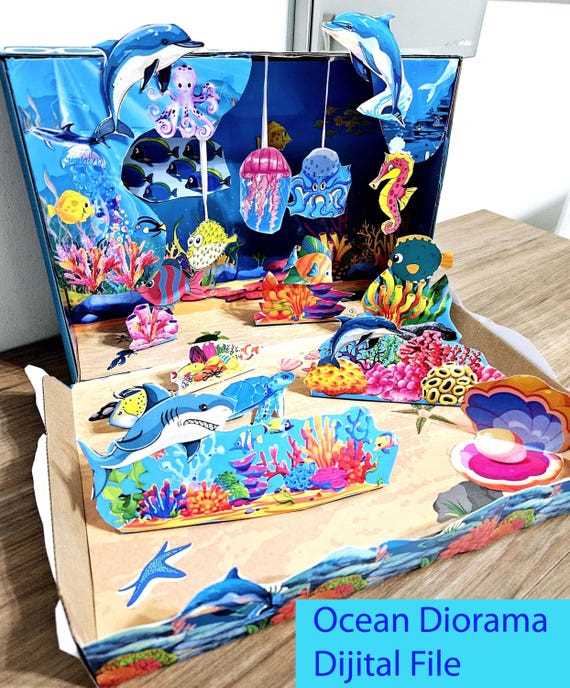
Begin by choosing a strong base, such as a cardboard box, shoebox, or foam board. The box should be deep enough to create the illusion of space, with the bottom surface providing a sturdy foundation. Paint the interior with shades of blue or teal to mimic the water, allowing the paint to dry before adding further elements.
Next, gather a range of materials to build the underwater world. Use craft paper, foam sheets, and colored plastic to create coral, rocks, and sea plants. Cut out fish and sea creatures from foam, or repurpose small plastic toys to add life to the scene. You can also use tissue paper for soft underwater textures or to represent sand and pebbles on the seafloor.
To add dimension, layer the materials. Place larger elements, like rocks and plants, closer to the viewer, and position smaller items, like fish and shells, further back to create a sense of depth. This layering technique will give the illusion of an expansive underwater environment. For an extra touch, hang seaweed or small fish with thread or fishing line to make them appear as if they are swimming.
For realism, consider using clear plastic or cellophane to create the effect of water’s surface. This can be placed over the scene to simulate the water’s reflective quality and enhance the overall look. Add glitter or small beads to represent bubbles or light-reflecting particles in the water.
Once the basic layout is set, pay attention to the finer details. Use small shells, beads, or tiny stones to decorate the seafloor. Paint and add details to sea creatures, such as fins and scales, for added realism. You can even create a sand effect by sprinkling fine sand or glitter over glue on the base to add texture.
If you want the scene to be interactive, consider creating movable components. Attach fish or sea creatures to thin wire or string, allowing them to move gently when touched. This will give the diorama a dynamic, living feel, as though the sea creatures are floating through the water.
Once everything is arranged and the glue has dried, display your finished scene in a well-lit area to allow the light to reflect off the plastic or cellophane, adding sparkle to your creation. For a fun, educational twist, you can label the different sea creatures or include a small fact sheet about marine life to accompany the scene.