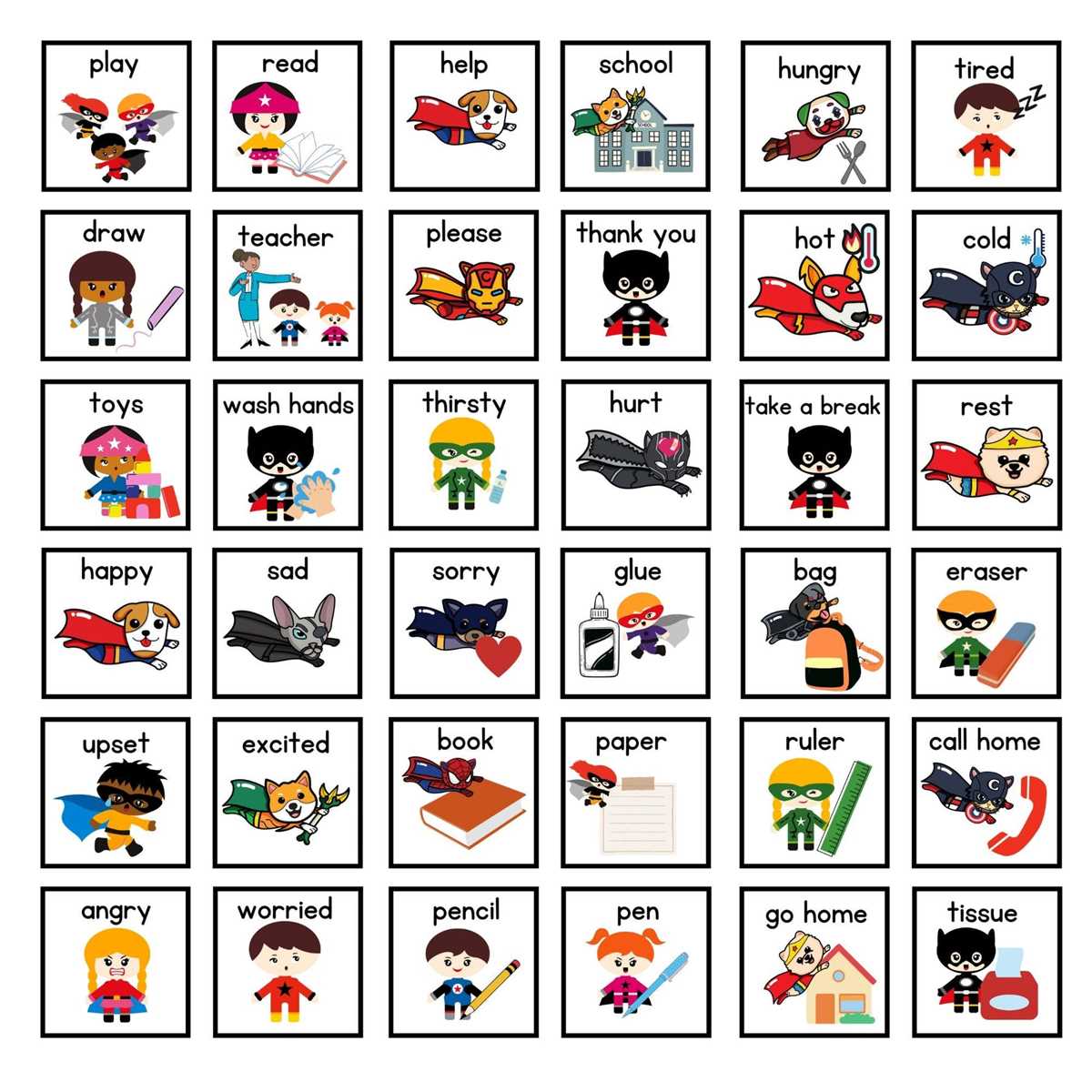
If you are seeking resources to aid in daily interactions with children who have difficulty expressing themselves verbally, you can create your own set of visual aids. These tools offer a straightforward way for children to express their needs and emotions, while helping caregivers better understand them. Below are practical steps and resources to create and use these aids effectively.
How to Design Custom Visual Aids for Better Communication
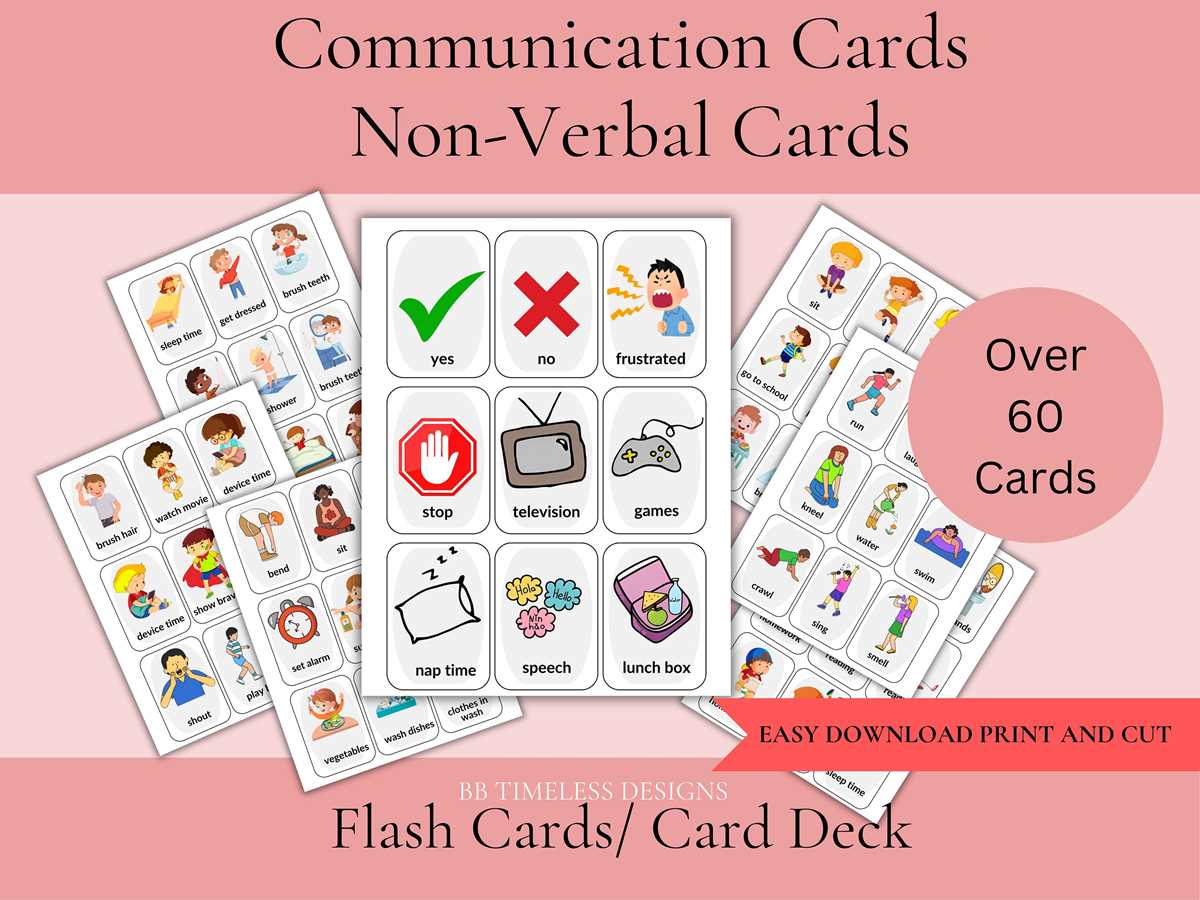
Designing personalized visual aids requires a few simple steps. The goal is to ensure that the visuals are clear and relevant to the child’s daily activities and routine. Here’s how to proceed:
- Identify Key Needs: Start by pinpointing common situations or needs that the child struggles to express. This can include feelings (happy, sad, angry), activities (eating, playing), or specific requests (drink, bathroom).
- Choose Simple Images: Use pictures, symbols, or even photos that represent the item, activity, or feeling. Make sure the images are easy to recognize and understand.
- Organize the Visuals: Arrange the visuals in a logical order. You can group them by category (food, emotions, activities) to make them easier for the child to navigate.
- Test and Refine: Once the visuals are in place, observe how the child interacts with them. If necessary, adjust the images or the setup to better suit their needs and understanding.
Tips for Effective Use
- Consistency: Keep the visuals in the same location to make it easier for the child to use them independently over time.
- Interaction: Encourage the child to point to or hand over the visuals when they need something. This encourages independence and improves communication skills.
- Positive Reinforcement: Reward the child with praise or a small treat when they successfully use the visuals to express themselves.
Best Online Resources for Downloading Visual Support Materials
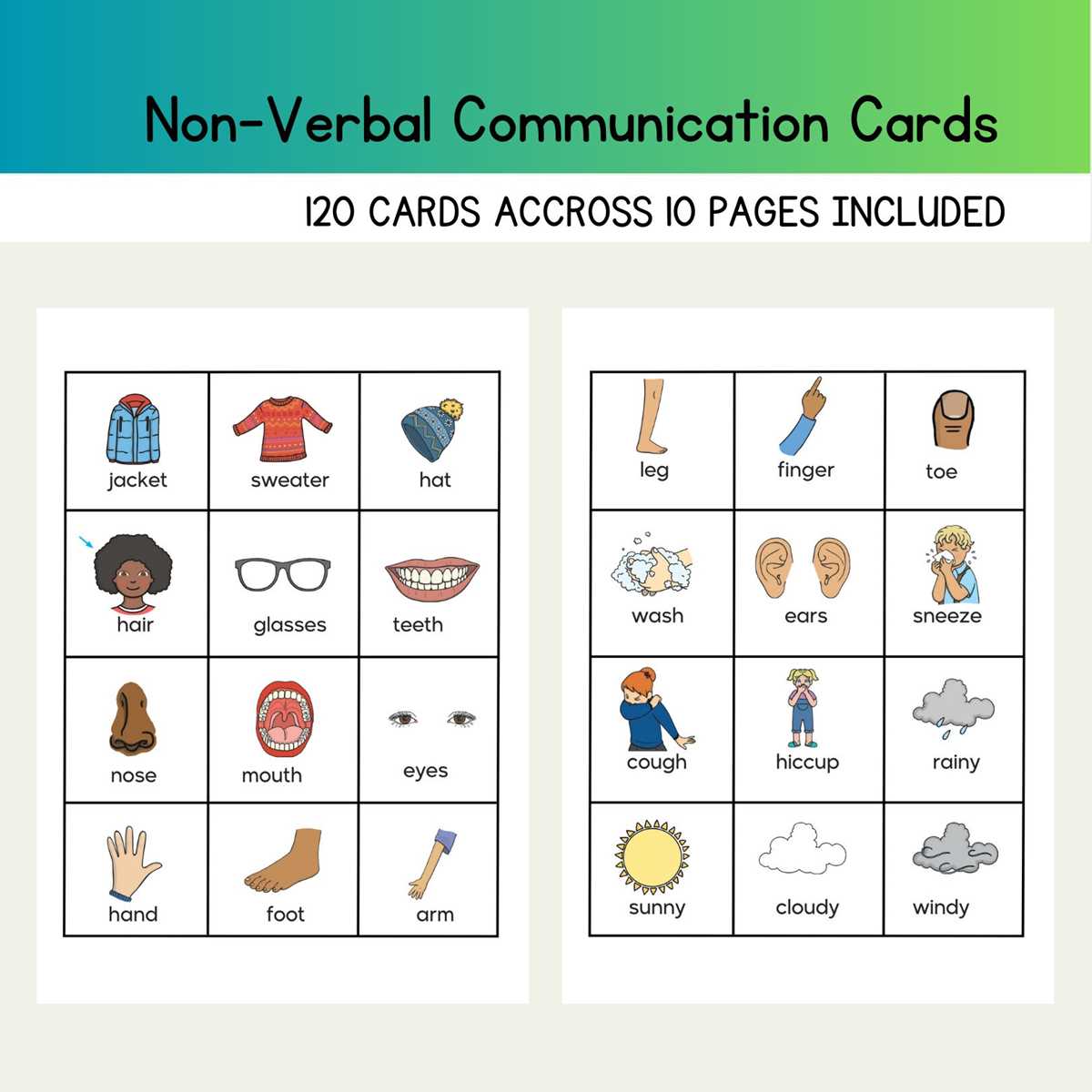
Several websites offer free downloadable resources that can help you create your own set of visual tools for daily use. Here are some of the best platforms to explore:
- Boardmaker: This popular tool offers customizable templates and images, allowing you to create personalized visual aids based on your child’s needs.
- Teachers Pay Teachers: While this site contains both paid and free resources, it offers high-quality downloads that are specifically designed for children with special needs.
- SymbolStix: SymbolStix provides a variety of symbols and images for creating communication tools, with options for both printing and online use.
- Do2Learn: This site offers free printable tools for communication, including emotion charts, visual schedules, and social stories.
Additional Recommendations for Using Online Resources
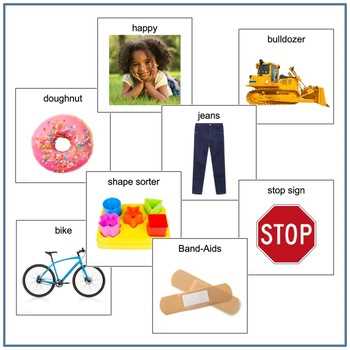
- Customization: When downloading resources, try to customize them to your child’s preferences. If they have favorite characters or specific interests, incorporate these into the visuals.
- Quality Control: Ensure that the images you choose are clear and of high resolution. Blurry or overly complex images can confuse the child.
These tools can significantly improve day-to-day communication, helping children express themselves more easily. By implementing and customizing these visual supports, you can make interactions smoother and more meaningful for both the child and their caregivers.
Practical Visual Aids for Children with Communication Challenges
Start by creating a set of visual symbols that represent basic needs or emotions, such as food, water, or happiness. These symbols can be printed on durable materials like laminated paper or plastic, ensuring they are resistant to wear and easy to handle. Clear, simple images work best, as they are easier for the child to recognize and understand. Limit the number of symbols to avoid overwhelming the child.
Use images or icons that are directly related to everyday experiences. For example, an image of a cup could represent a desire for a drink, while a picture of a smiling face might signify happiness. For more complex ideas, combine pictures to create simple “sentences” that convey multiple actions or needs. This approach can help build the child’s ability to express thoughts and desires independently.
Several websites provide downloadable resources with images suitable for creating these visual aids. Sites like Do2Learn or SymbolStix offer libraries of symbols designed specifically for children with communication difficulties. These resources often include printable templates for creating visual schedules, activity boards, and more, making it easy to assemble a personalized set of tools at home.
Once the visual aids are ready, integrate them into daily routines. Place the symbols in accessible locations, such as on the fridge, near the child’s play area, or beside the dining table. Encourage the child to use the symbols regularly, which can help them feel more confident in expressing their needs and emotions. Over time, as they become more familiar with the visuals, they may begin using them without prompting.