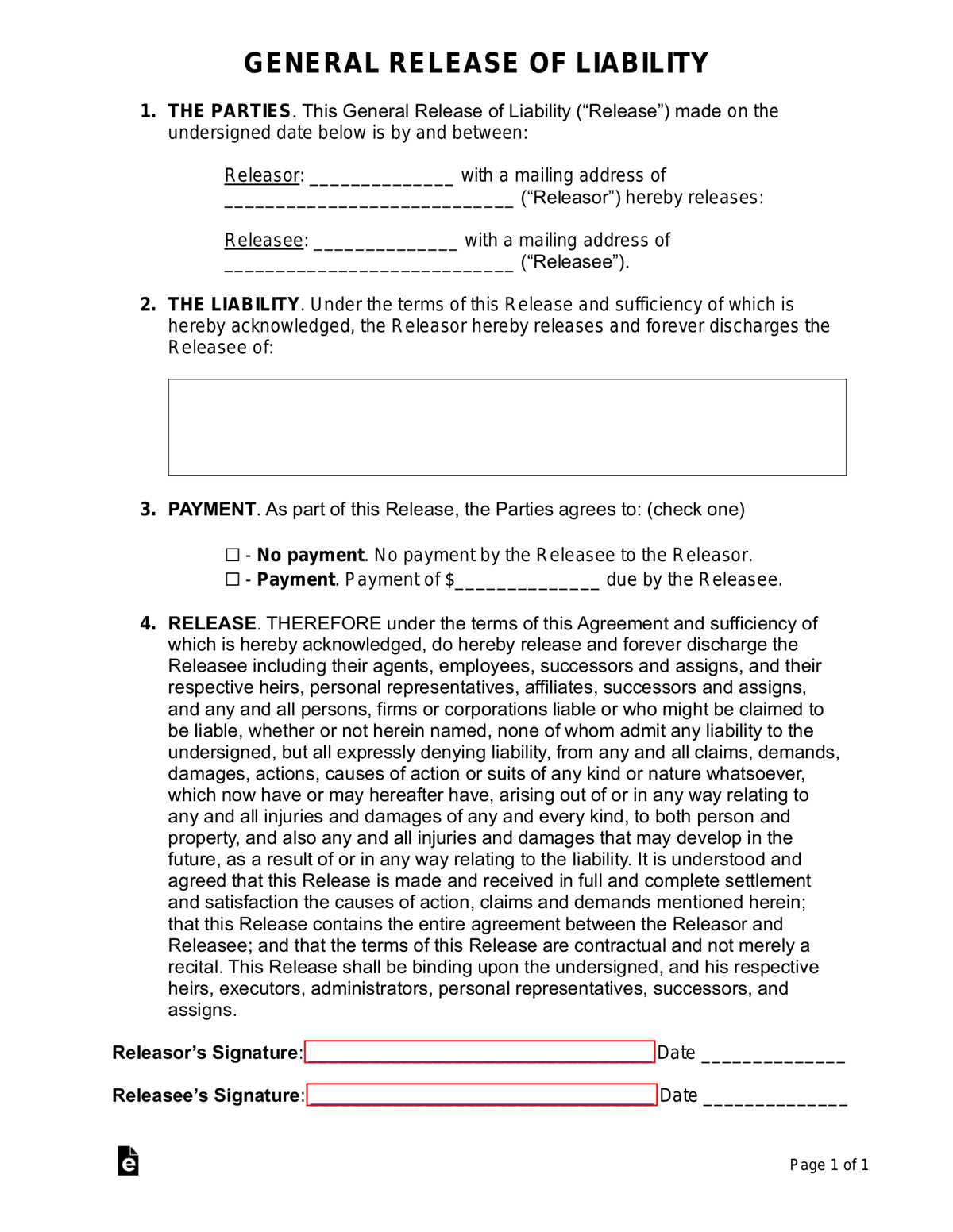
Use a clearly structured release of claims document with specific risk descriptions and signature blocks tailored to your activity. Generic templates without defined hazards often fail under court review.
Key Clauses to Include
Insert a detailed assumption of risk section listing foreseeable dangers such as physical injury, equipment malfunction, weather exposure, or travel risks. Avoid vague wording; name the activity, location, and date range.
- Identification of participant and organizing entity
- Description of the activity and known hazards
- Agreement to release claims for negligence where permitted by state law
- Medical consent statement for emergency treatment
- Indemnification provision covering third-party claims
Add a separate paragraph confirming the signer is at least 18 years old. For minors, include a parental consent section with printed name and relationship to the child.
Execution and Compliance Requirements
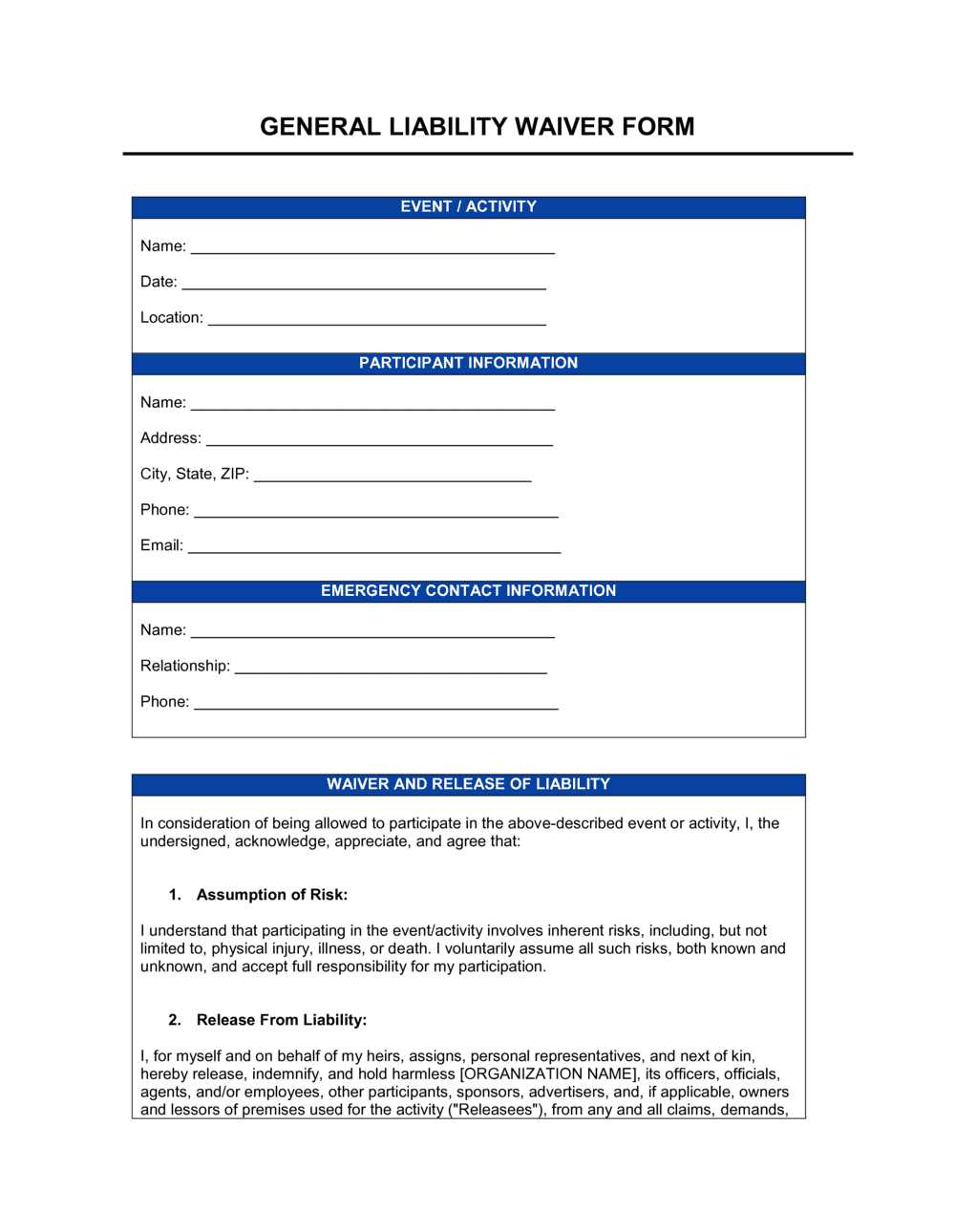
Provide signature lines with printed name, date, and contact details. Some states require bold or capitalized text for negligence releases. Check local statutes before finalizing the document.
- Use clear, readable font size no smaller than 10–12 points
- Avoid legal jargon that obscures meaning
- Keep margins wide enough for hole punching and record storage
- Store signed copies for at least the statute of limitations period in your jurisdiction
For high-risk activities such as motorsports, rock climbing, or water sports, consider notarization and review by a licensed attorney. Courts assess clarity, voluntary consent, and public policy limits when evaluating enforceability.
Distribution and Record Management
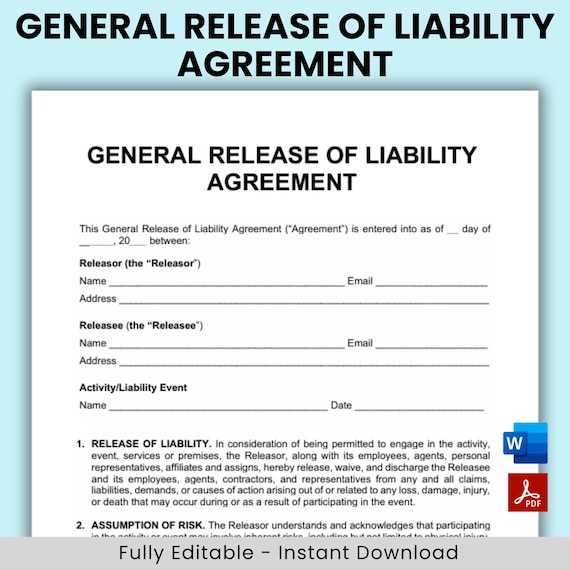
Offer both digital PDF versions and paper copies for in-person signing. Maintain scanned backups in encrypted storage and restrict access to authorized staff. Accurate recordkeeping supports defense against future claims.
Printable Waiver of Liability Form for Risk Management
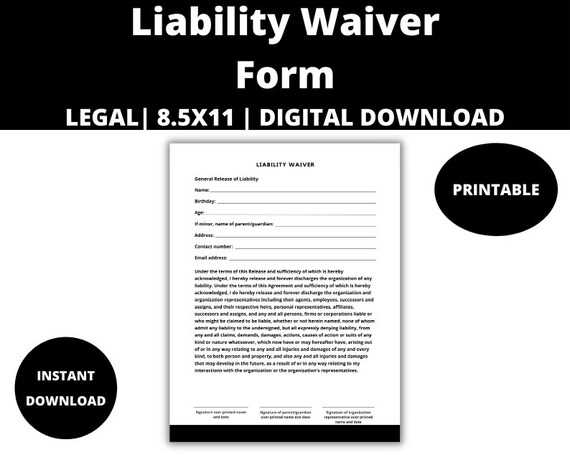
Draft a release of claims document that clearly lists the activity, location, dates, and specific hazards such as equipment failure, physical injury, weather exposure, or third-party actions. Use plain language, bold headings for assumption of risk and indemnification clauses, and a separate section confirming voluntary consent. Include full legal names of the organizer and participant, emergency contact details, and a statement covering negligence to the extent permitted by state law.
Add signature lines with printed name, date, and contact information, plus a parental consent block for minors. Keep font size between 10 and 12 points and avoid dense paragraphs that courts may view as unclear. Provide copies in PDF and paper format, store signed agreements for the full statute of limitations period in your jurisdiction, and review the document against local regulations that restrict certain risk-transfer provisions.