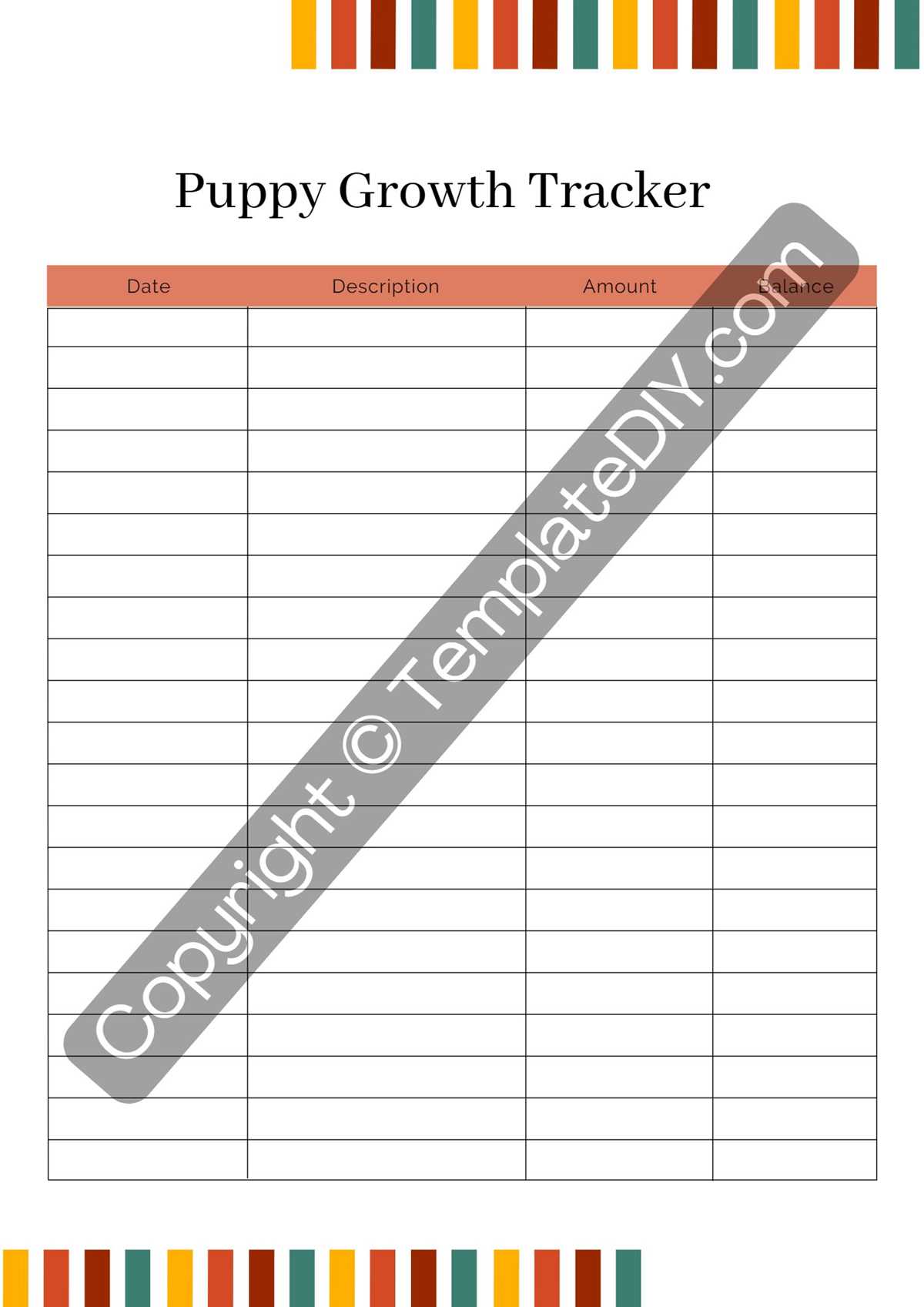
How to Track Your Child’s Development
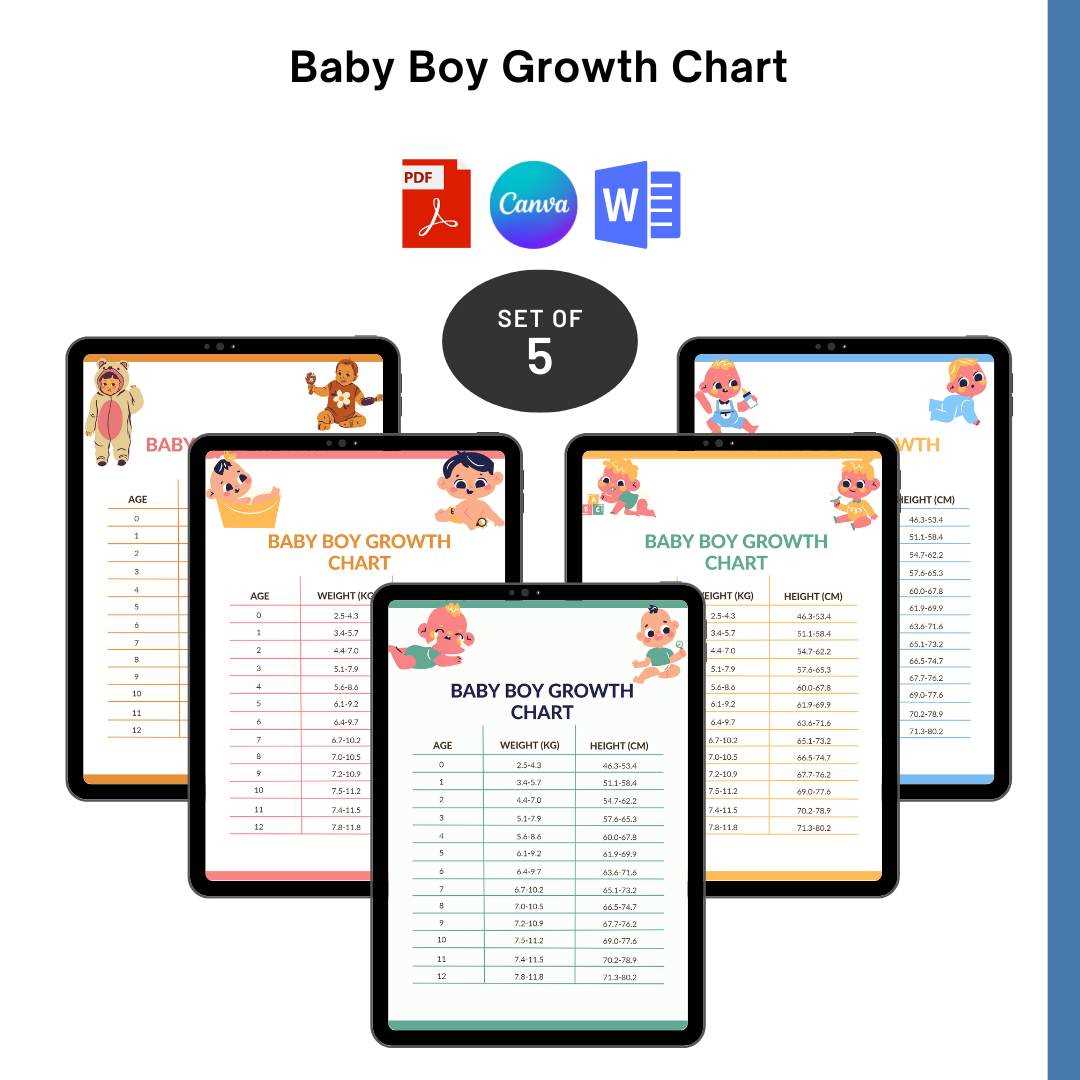
If you want to monitor your child’s physical progress with precision, using a visual aid can simplify the process. Consider a ruler-based reference where height and weight can be logged over time. It’s a great way to ensure that your little one is moving through each stage at an expected pace. By marking specific intervals–such as monthly or quarterly–you can assess patterns and adjust health practices as necessary.
Measuring Your Child’s Progress
Measure the child’s height and weight regularly. These data points should be recorded in fixed intervals. The best way to document this is through a detailed grid where each measurement is entered under appropriate headings, such as age, height, weight, and date. This method will make it easier to spot any irregularities and intervene early if needed.
- Height: Take the measurement standing up, ensuring the child’s feet are flat on the ground and their back is straight.
- Weight: Use an accurate scale. Record the weight at the same time of day to minimize fluctuations.
- Age: Each entry should correspond with the child’s age at the time of measurement.
Choosing the Right Tool for Tracking
There are many tools available for tracking these data points. You can use a paper logbook, digital spreadsheet, or specialized apps that allow you to input and graph measurements. It’s important that the tool is easy to use and provides a visual representation, whether it’s a simple graph or a series of lines that track height and weight over time.
What to Look For in Developmental Patterns
Tracking growth helps identify any deviations from the normal pattern. Parents should pay attention to consistent trends, such as a steady increase in both height and weight. If there are any periods of stagnation or unexpected drops, it might be worth consulting a healthcare professional to rule out underlying issues.
- Look for gradual increases in size as your child ages.
- Be cautious of sudden shifts in measurements that could indicate a need for medical attention.
- Ensure the child’s development is consistent with standard growth parameters for their age group.
By regularly documenting your child’s physical development, you’ll create a reliable record that can guide your decisions and provide important insights into their overall health and well-being.
How to Track Your Child’s Growth with a Simple Measurement Tool
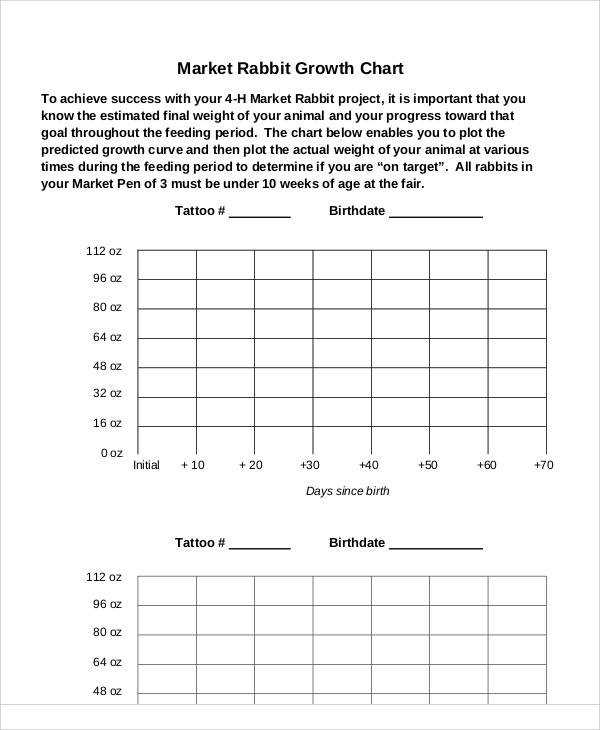
To keep track of your child’s development, consider using a simple wall scale. This tool allows you to measure your little one’s height over time. You can print it out and place it on the wall for easy reference. For the best results, ensure it is placed in an area with consistent visibility and accessibility, such as a hallway or bedroom.
When selecting a model, pick one with clear, legible markings. Lines should be spaced appropriately, ideally every half inch or centimeter. This ensures you can take precise readings without confusion. Using both metric and imperial units can help in areas where both systems are common.
Ensure the printout is in high resolution to avoid pixelation when enlarged. A clean, sharp printout will maintain accuracy, especially when measuring smaller increments. Many websites offer free versions that are easy to download and print at home, but always check the scaling before printing.
For ease of use, opt for one that has space for noting the date next to each measurement. This allows you to track progress not only by height but also by age, making it easier to spot any significant changes. Marking each milestone can be a fun way to observe how your child is growing year by year.
If you’d like to add a decorative touch, some printable versions come with customizable designs. You can find them with fun illustrations or themed borders, making it more engaging for your child. Whether it’s animals, stars, or nature, such designs make the experience more interactive and enjoyable.
Make sure to place the scale at a height that allows for accurate readings as your child grows. Ideally, this should be at eye level for easy visibility when measuring. It’s also important that your child stands straight while being measured to get the most accurate reading.
Lastly, keep in mind that these tools are not just for kids. Adults can use them too, especially for fitness tracking or monitoring health conditions. Whatever the purpose, this straightforward tool offers a clear and easy way to stay on top of any height changes over time.