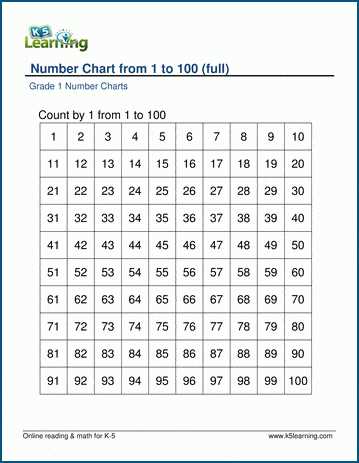
For those who need to convert numerical values into their textual equivalents, here is a guide for easily displaying all integers from one to one hundred in written format. This approach is practical for various purposes such as educational materials, worksheets, or simple reference lists.
How to Write Numbers from 1 to 100
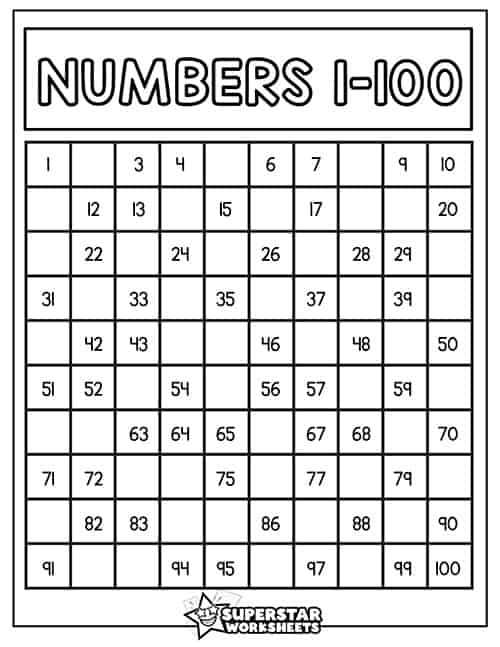
When converting each digit into its appropriate spelling, it’s essential to follow a structured format for clarity. The numbers are generally split into groups based on their structure: single digits, tens, and special numbers like eleven through nineteen. Below is a straightforward breakdown:
From 1 to 10
- 1 – one
- 2 – two
- 3 – three
- 4 – four
- 5 – five
- 6 – six
- 7 – seven
- 8 – eight
- 9 – nine
- 10 – ten
From 11 to 20
- 11 – eleven
- 12 – twelve
- 13 – thirteen
- 14 – fourteen
- 15 – fifteen
- 16 – sixteen
- 17 – seventeen
- 18 – eighteen
- 19 – nineteen
- 20 – twenty
Multiples of Ten from 30 to 90
- 30 – thirty
- 40 – forty
- 50 – fifty
- 60 – sixty
- 70 – seventy
- 80 – eighty
- 90 – ninety
Combining Units with Tens
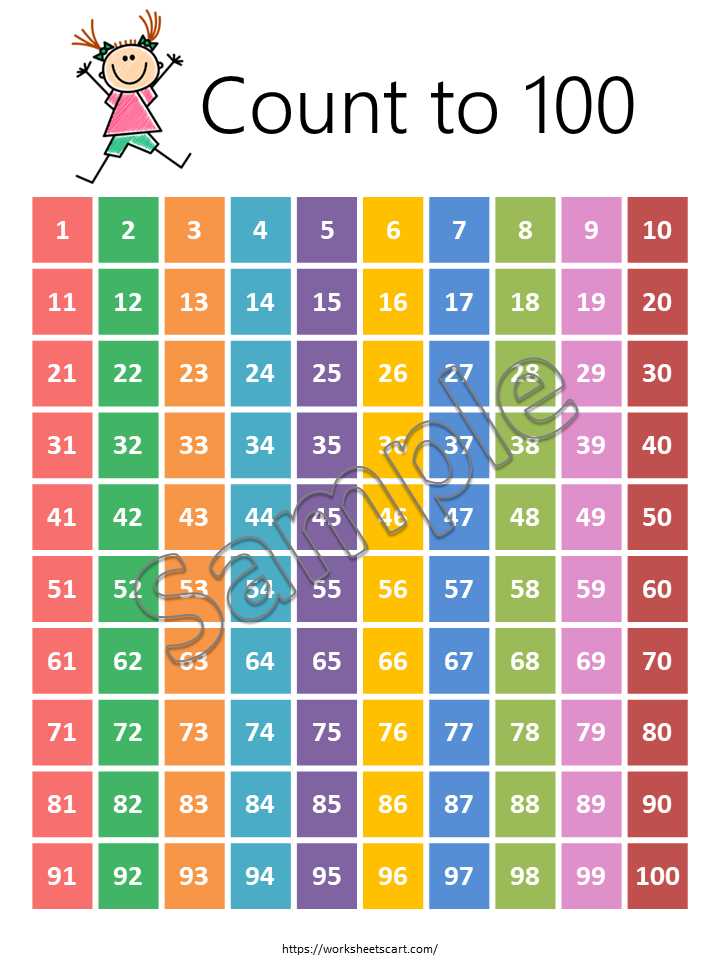
To form numbers between 21 and 99, combine the multiples of ten with the unit number (1–9). For example:
- 21 – twenty-one
- 32 – thirty-two
- 47 – forty-seven
- 58 – fifty-eight
- 63 – sixty-three
- 79 – seventy-nine
- 89 – eighty-nine
- 99 – ninety-nine
Special Numbers in the Sequence
While most numbers follow a predictable pattern, some numbers like 11 through 19 require unique attention as they do not follow the regular tens and units rule. These special cases include:
- 11 – eleven
- 12 – twelve
- 13 – thirteen
- 14 – fourteen
- 15 – fifteen
- 16 – sixteen
- 17 – seventeen
- 18 – eighteen
- 19 – nineteen
Final Number: 100
The final number in this range is written as:
- 100 – one hundred
By following these simple guidelines, you can easily generate a list of all digits between one and one hundred in their written form, ensuring accuracy and consistency in both educational and professional settings.
Numbers from 1 to 100 Spelled Out
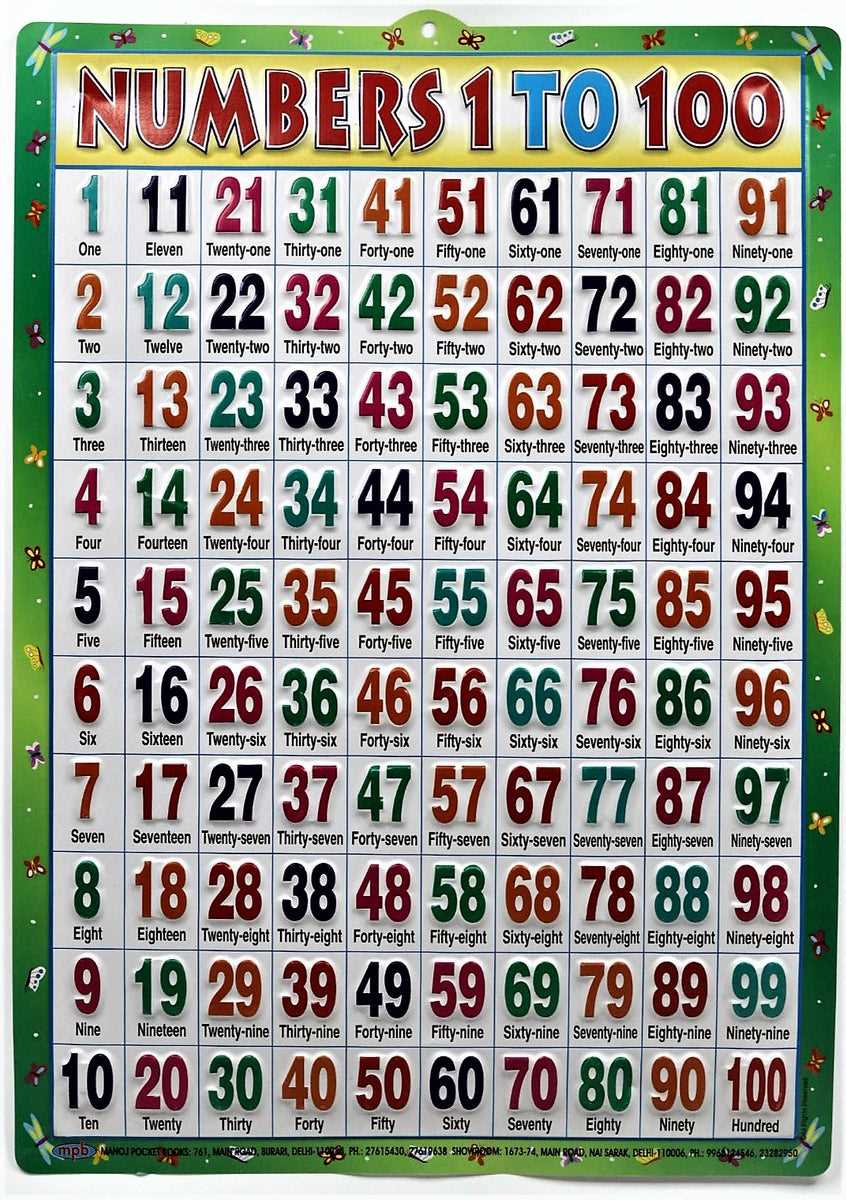
For anyone needing a clear reference of digits and their corresponding names, having a set from 1 to 100 in both numerical and spelled-out forms is highly effective. This format can be useful for various purposes, such as teaching basic arithmetic or preparing educational material. It helps students or learners visually match the figures to their written equivalents, solidifying their understanding of both forms.
Begin by focusing on the first few figures like 1, 2, and 3. Each one has a distinct pattern, making them easy to memorize. After those, you’ll notice that the pattern for numbers like 10, 20, and 30 follows a regular format. This allows for easier recall of the remaining terms as learners become familiar with the structure.
It is often helpful to break up the sequence into groups. For example, the teens (11-19) follow a distinct pattern, making them slightly more difficult to remember initially. However, once these are mastered, learners can transition into the next set without feeling overwhelmed.
Be sure to pay attention to compound figures like 21, 32, or 45. These consist of a base number and a second element, which can make them harder to learn at first. To ease the process, practice saying them aloud and writing them down to reinforce the connection between the digits and their verbal expressions.
For faster reference, consider creating charts that group terms into categories, such as tens (10, 20, 30, etc.) and units (1-9). This visual aid can assist in memorizing the terms by showing how numbers are constructed, helping both children and adults better absorb the information.
If you’re aiming to enhance reading fluency or improve spelling accuracy, regular practice is key. Rewriting each sequence repeatedly, or even quizzing oneself, promotes retention. This exercise can significantly boost confidence, especially when learners encounter larger numbers or need to spell terms in writing or tests.
Lastly, incorporating activities like flashcards or worksheets where the learner writes the figures and names reinforces the spelling and numeral associations. This hands-on approach ensures that each number from 1 through 100 is recognized and remembered both in its written form and in daily use.