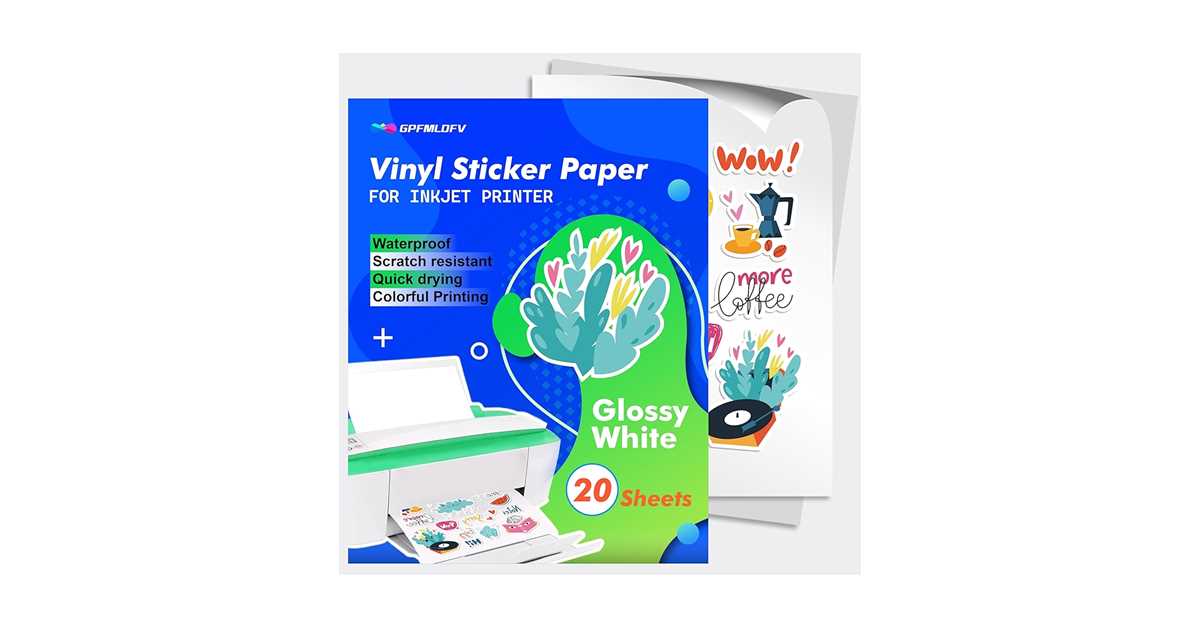
What You Need to Know Before Printing Custom Designs
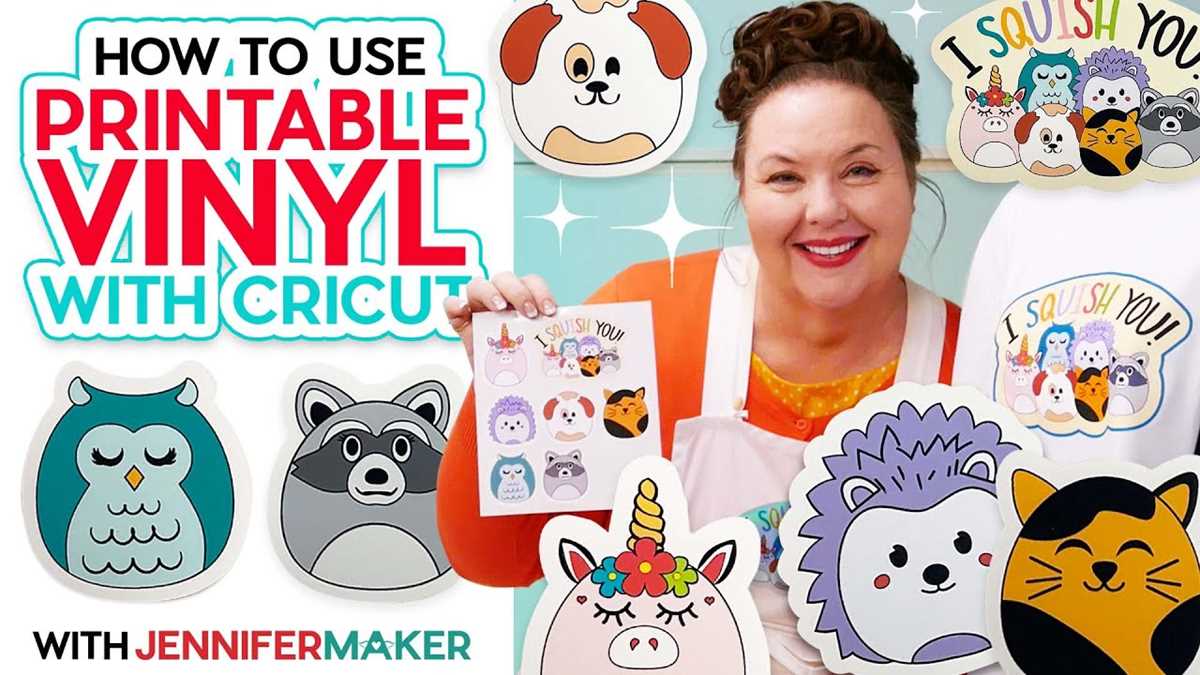
When printing custom designs for labels or decorative decals, it’s critical to pick the right materials for the job. A highly durable option ensures your creations withstand wear and exposure to moisture, making them perfect for a wide range of applications. Whether you’re looking to personalize products or create high-quality, long-lasting designs for business use, using a durable, water-resistant sheet for your projects is key to their performance and longevity.
Why Durability Matters for Custom Labels
Durability is a top priority for designs that will face environmental challenges, such as moisture, spills, or even harsh weather conditions. Products like mugs, bottles, and outdoor signage demand a strong material that won’t degrade easily over time. By opting for a water-resistant option, you’ll ensure that your prints remain vibrant and intact regardless of external factors.
Choosing the Right Material for High-Quality Results
Not all options provide the same level of protection. Look for materials specifically designed to withstand moisture and protect the colors from fading. Several options offer excellent results in terms of both adhesion and print clarity. For example, certain sheets have a glossy or matte finish that enhances the design, giving it a professional, polished appearance. These finishes also help in maintaining the integrity of the design when exposed to liquids or cleaning products.
- Glossy Finish: Ideal for vibrant designs, offering enhanced color depth.
- Matte Finish: Provides a subtle, sophisticated look and is less prone to glare.
- Clear Options: Perfect for creating transparent decals or labels with minimal background interference.
Best Practices for Printing and Applying Your Custom Designs
Printing Tips
To achieve the best results, ensure that your printer is compatible with the material you are using. Adjust the printer settings to match the specific material, selecting high-quality print modes for a sharp, clear result. Using high-quality inks, such as pigment-based, will further improve the durability of the design. Pigment inks are less likely to fade or smudge, making them perfect for long-lasting creations.
Application and Protection
After printing, it’s crucial to apply a protective layer that locks in the colors and prevents damage. Many people use a clear laminate or protective film after printing to guard against wear and tear. This additional layer acts as a shield, making the surface more resistant to scratches, fading, and moisture.
Key Application Areas
- Personalized Gifts: Enhance custom mugs, notebooks, and phone cases with waterproof designs.
- Product Labels: Create waterproof labels for bottles, jars, and other products that are exposed to moisture.
- Outdoor Decor: Use water-resistant materials for decals that will be placed outdoors, like on windows or vehicles.
Choosing the right materials ensures your prints not only look professional but can withstand daily wear and the elements. The result is a long-lasting, vibrant design that adds value to your products and projects.
Durable Printing Material for Long-Lasting Designs
For designs that need to endure moisture and wear, opt for a high-quality, moisture-resistant sheet for your projects. This material ensures that your artwork stays intact even after exposure to water, making it ideal for labels and decorations used in environments prone to spills or humidity.
Ensure you use an inkjet-compatible version of this product for crisp, clear images. The surface is designed to absorb ink evenly, preventing smudging and fading over time, even when exposed to liquids.
When applying to surfaces, it’s crucial to allow the ink to dry fully before handling. This prevents any accidental smearing, ensuring your designs maintain their sharpness. Drying times can vary, but typically, waiting at least 30 minutes will yield optimal results.
For extra protection, consider using a clear laminate over the design after printing. This layer adds another shield against moisture and abrasion, extending the life of the printed image. A smooth, clear finish also enhances the vibrancy of the colors, keeping your project looking fresh.
Cutting precision is key when using this material. Ensure your cutting tool is sharp and adjusted properly for accurate results. The material is compatible with various cutting machines, which ensures that intricate shapes and details are handled without fraying the edges.
If you intend to use your creations outdoors or on products that will face heavy handling, applying an additional protective coating might be necessary. A UV-resistant spray can further preserve the integrity of your designs, protecting them from fading due to exposure to sunlight.
It is important to test your designs before final use, especially in humid conditions or areas with heavy traffic. A small test print allows you to evaluate how the material holds up under specific conditions, ensuring the longevity of your project.
Lastly, for storage, keep unused sheets in a cool, dry location. This prevents them from warping or losing their adhesion properties, ensuring they remain ready for your next creative project whenever you need them.