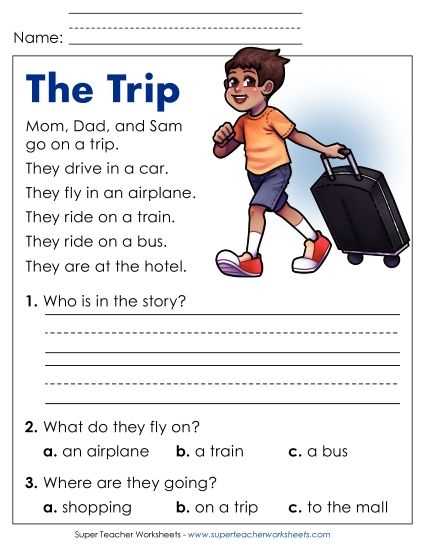
Introduce simple narratives to capture children’s imagination through visual aids. Interactive activities linked with these materials allow kids to develop language and cognitive skills. Incorporating clear pictures alongside minimal text will help them connect ideas with imagery, improving memory retention. For example, a picture of a cat chasing a ball can be accompanied by a sentence like “The cat plays with the ball.” This method reinforces language development while keeping them entertained.
Prepare age-appropriate content that aligns with the developmental stage of the group. Focus on short, relatable situations, making sure the words are simple yet meaningful. Keep the sentences direct and use familiar concepts like animals, family, or nature. This way, kids can relate to the subject matter, making it easier to absorb new vocabulary.
Incorporate fun activities related to the narrative. Simple tasks, such as matching pictures with words or completing a sequence, will help strengthen understanding. By using familiar characters or scenarios, children can improve not only their vocabulary but also their ability to follow a story’s progression. Consistently varying the themes of these materials keeps the experience fresh while still being educational.
Engaging Reading Materials for Young Learners
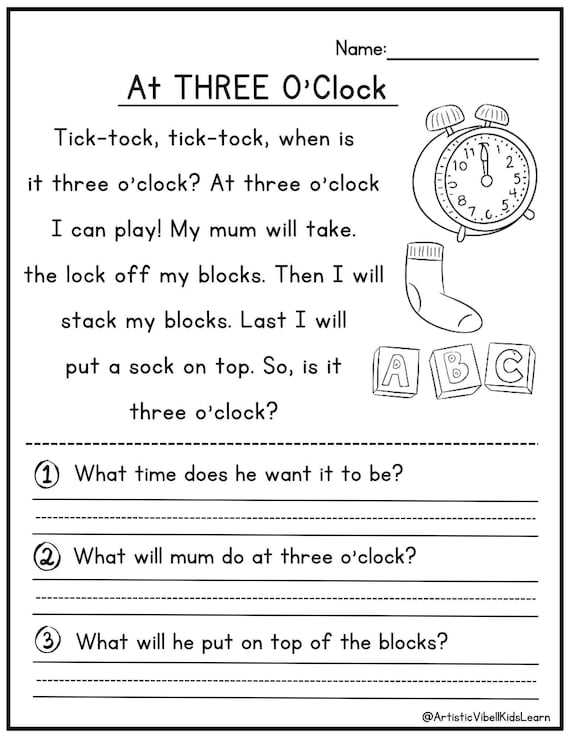
Choose short narratives with clear, simple plots that include relatable characters and everyday situations. Make sure the sentences are brief and repetition is included to support comprehension. Avoid overly complex words or abstract concepts. The content should reflect familiar environments like homes, schools, and parks, helping children connect with the material. Additionally, opt for materials that incorporate images to reinforce the narrative and maintain interest.
Consider creating custom booklets that children can color or even add their own illustrations. This approach not only boosts engagement but also enhances creativity. Tailor the themes to encourage learning in areas such as friendship, teamwork, or problem-solving. Include questions at the end to spark conversation and assess understanding. This method will not only entertain but also help develop both language and social skills effectively.
Choosing Age-Appropriate Reading Materials for Early Learners
Consider the developmental stage of young children when selecting reading materials. At ages 3 to 5, prioritize simple narratives with clear images and limited text. This keeps attention spans engaged while providing enough content for comprehension.
Look for content with repetitive structures or familiar situations. These encourage prediction skills and help little ones make connections between text and the world around them. Thematic coherence and predictable plotlines are key features for this age group.
Choose tales that introduce basic concepts such as numbers, colors, shapes, or animals. Children at this stage enjoy stories that help them understand these early learning topics in a fun and relatable context. Familiar characters also make the material more accessible.
- Short sentences with large fonts
- Bright illustrations that support the narrative
- Simple, concrete language without abstract concepts
Books with interactive elements, such as flaps or textures, can enhance engagement. However, it’s important to ensure these elements are sturdy and safe, avoiding distractions that might detract from the overall story.
Avoid overly complex themes or long, drawn-out plots that may overwhelm early learners. Stick to brief, straightforward scenarios where children can easily understand the beginning, middle, and end of each tale.