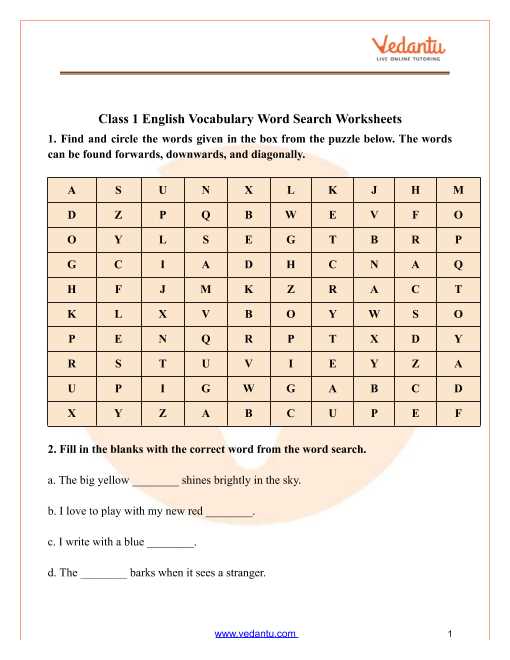
Using simple puzzles can enhance a child’s ability to recognize new vocabulary while having fun. Look for activities that focus on words related to animals, colors, or common objects. These themes help young learners connect the puzzle content to their everyday lives, making it easier to retain new words.
When selecting an activity for your child, consider the difficulty level. It’s best to start with puzzles containing shorter words and a small grid. As your child becomes more comfortable, you can gradually increase the grid size or add more complex words. This gradual progression will keep them engaged while improving their skills.
Don’t forget to incorporate educational materials that are visually appealing. Bright, colorful designs make the activity more interesting and can help hold a child’s attention longer. Look for options that include themes relevant to their current studies or interests, ensuring the activity is both fun and educational.
Engaging Word Puzzles for Early Learners
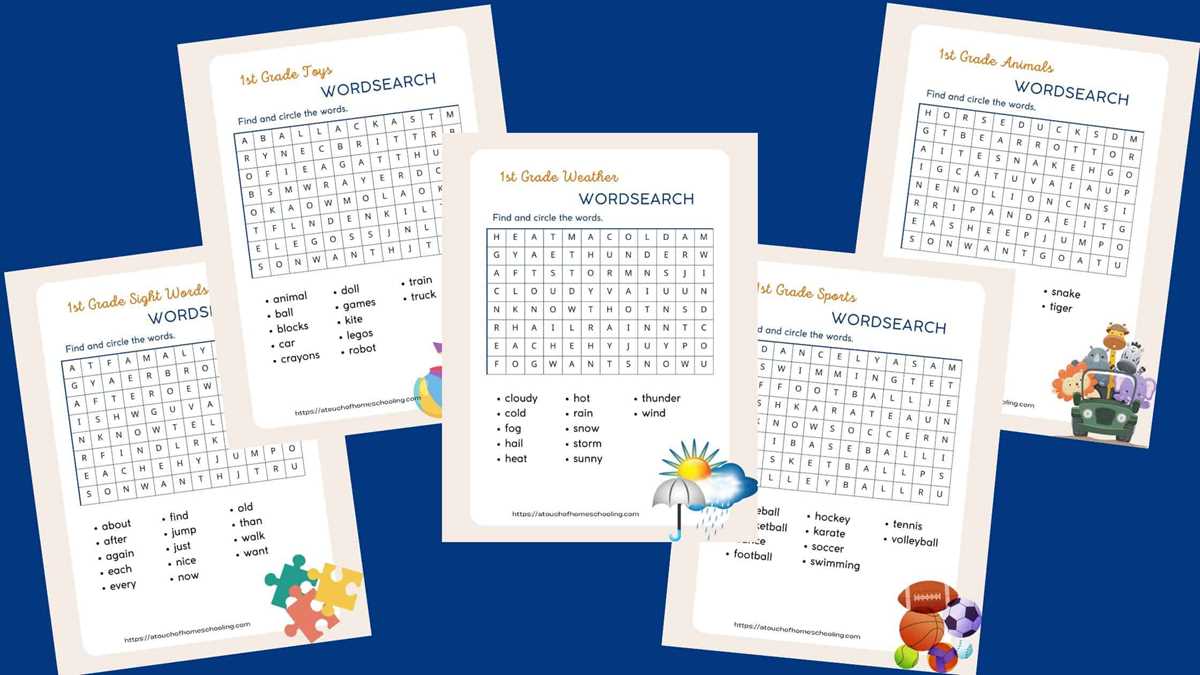
Start by choosing puzzles that align with your child’s current vocabulary level. A good rule is to focus on short, simple terms that are frequently used in their daily life, such as animals, colors, or basic objects. These categories help reinforce concepts they’re already familiar with while keeping the puzzle enjoyable and manageable.
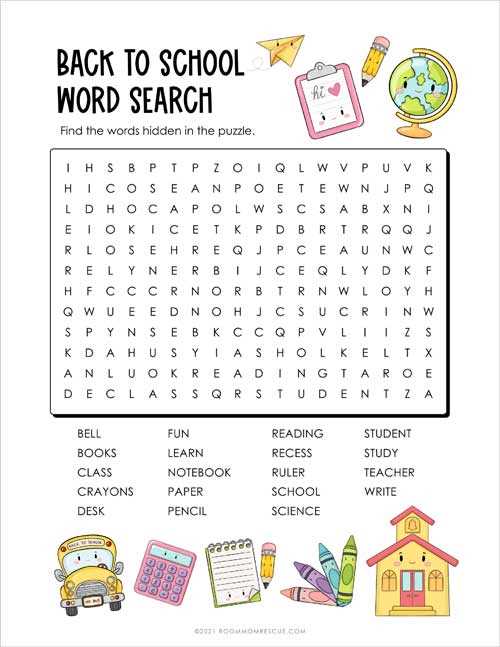
Next, consider the grid size. For younger children, smaller grids with a few words are ideal. Gradually increase the size of the grid and the complexity of the words as their skills develop. This approach provides a sense of achievement and keeps them motivated to continue learning.
Visual appeal also plays a crucial role in maintaining interest. Choose designs with bright colors and fun illustrations to make the puzzles more engaging. Interactive or themed puzzles based on your child’s hobbies or studies will capture their attention and create a more personalized experience.
Lastly, make sure to use puzzles that offer solutions and allow for easy review. After completing a puzzle, encourage your child to go over it again, pointing out each word they found. This repetition reinforces learning and builds confidence in their abilities.
How to Create Word Search Puzzles for Young Learners
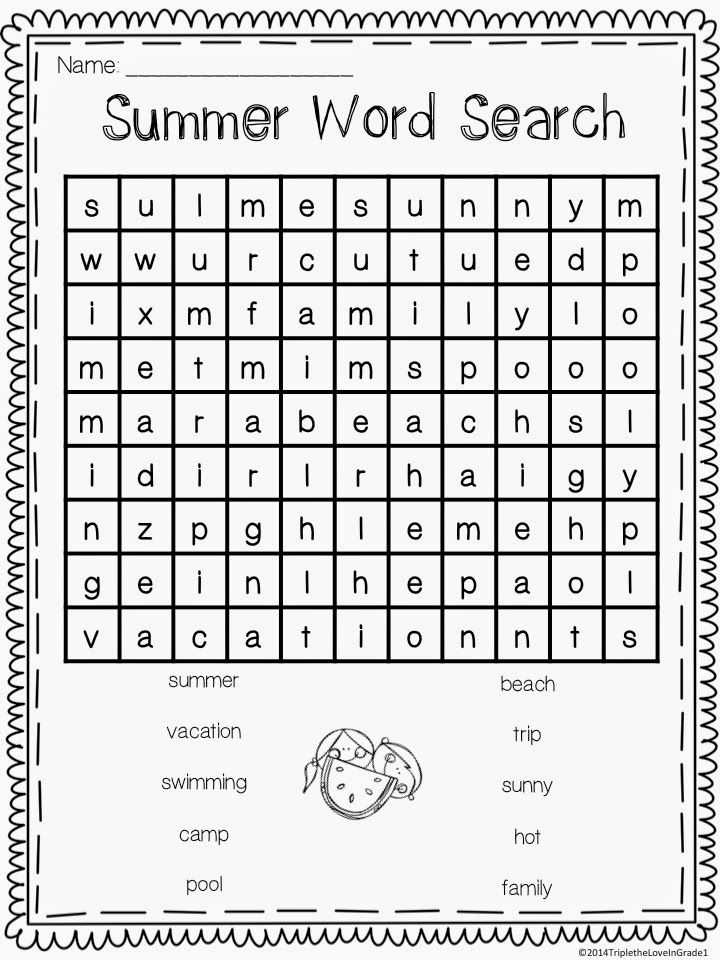
Begin by selecting a theme or set of terms appropriate for your child’s vocabulary. Stick to words they encounter regularly, such as colors, animals, or household items. This makes the puzzle both fun and educational, as the terms will be familiar.
Next, choose a manageable grid size. For beginners, opt for a 5×5 or 6×6 grid. This allows the child to focus on a limited number of words without feeling overwhelmed. Keep the puzzle simple by using only horizontal or vertical directions, avoiding diagonal or backward placements to reduce difficulty.
To add variety and engagement, include some illustrations related to the terms in the puzzle. This visual aid helps make the activity more engaging and provides a hint for those who may struggle with the written clues. You can easily draw these or use clipart that fits the theme.
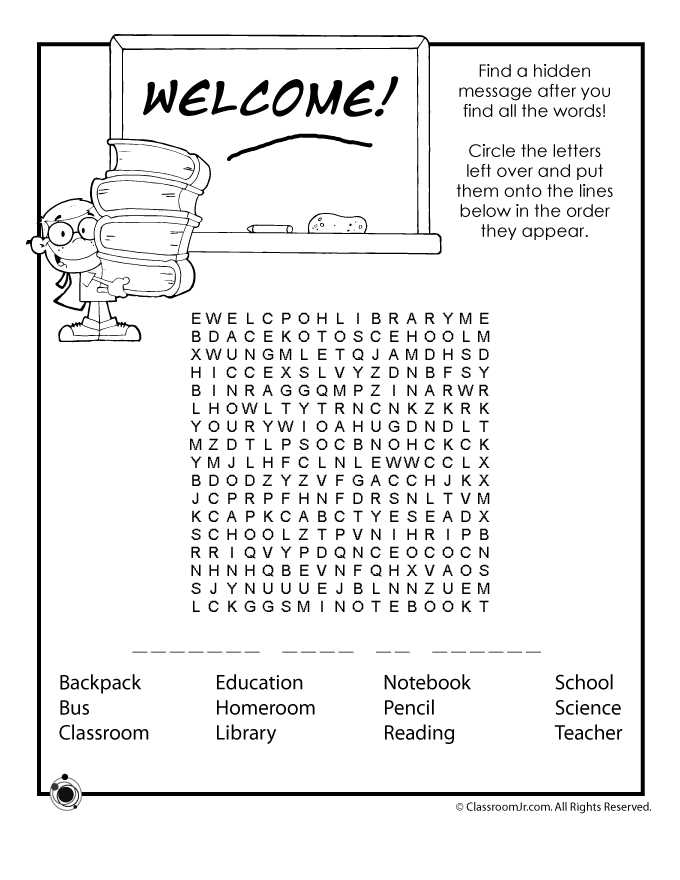
Once the puzzle is designed, check the word list to ensure the terms are appropriately challenging but not too difficult. Make sure all words are clearly distinguishable and have enough space between them. Avoid cramming too many words into the grid, as this can confuse young learners.
Finally, test the puzzle yourself or with an older child to make sure it’s solvable. This helps ensure that the words are placed correctly, and there’s enough space to search without frustration. Adjust any sections that feel too tricky or too easy based on feedback.