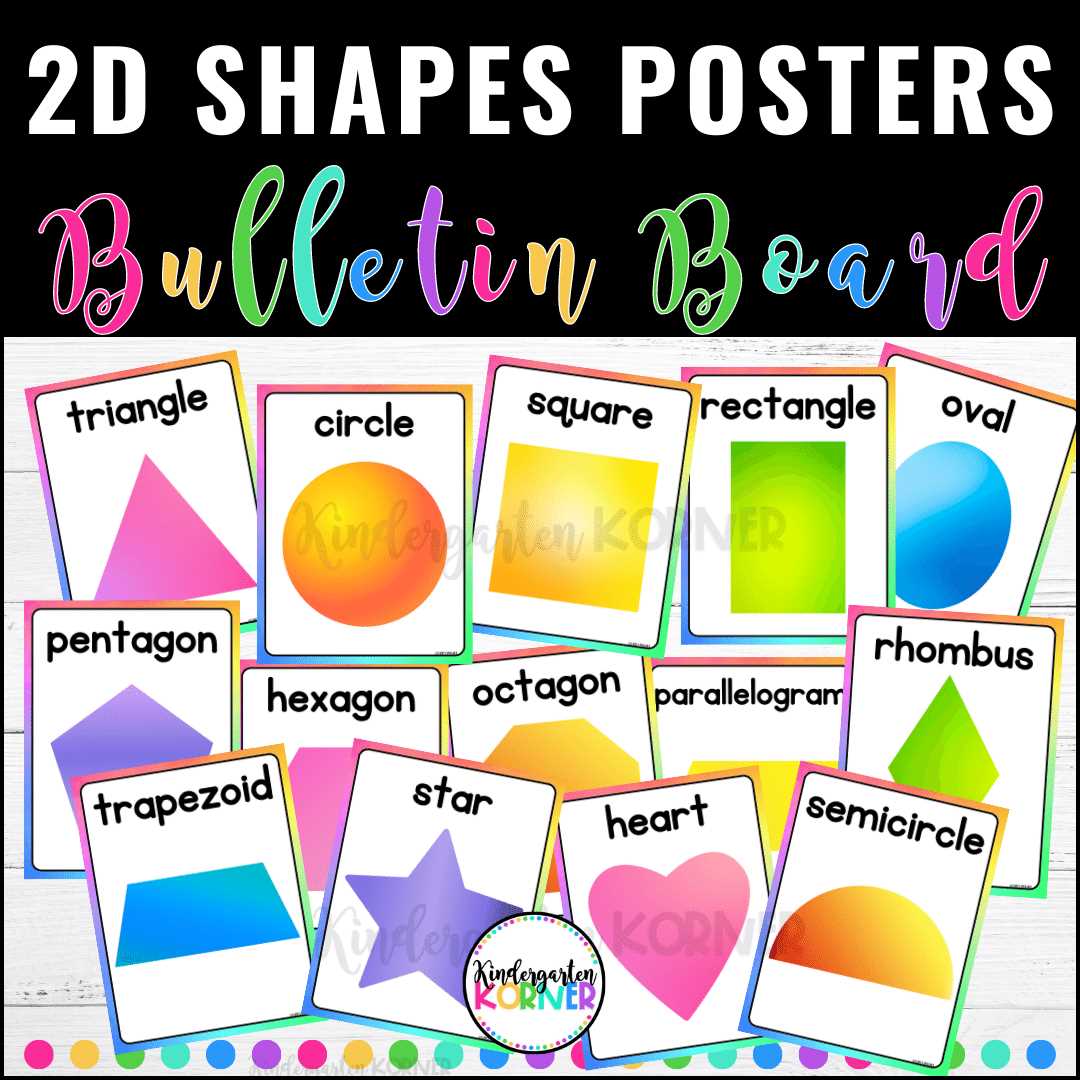
Use high-resolution flat figure sheets sized to standard A4 or US Letter paper to avoid blurry edges and uneven scaling. Files in PDF or SVG format keep clean lines after resizing, while raster images below 300 DPI often produce jagged outlines. For classroom sets, prepare outlines with stroke widths between 2–4 pt; thinner lines disappear during cutting.
Select geometric figure packs that group circles, triangles, rectangles, and polygons by difficulty level. For early learners, choose bold outlines at least 8–12 cm wide so children can trace comfortably with markers. Older students benefit from mixed-size sheets that include measurement labels and angle markers, which support geometry practice rather than simple recognition.
Paper choice directly affects usability. Standard 80–100 gsm office paper works for tracing tasks, but for repeated handling or craft assembly, switch to 160–200 gsm cardstock. If pieces will be cut and moved frequently, laminate the sheets after printing; this extends lifespan and keeps edges from fraying during classroom use.
Organize your digital files in clearly named folders such as “basic figures,” “polygons,” and “symmetry practice.” This reduces prep time when you need quick access for lessons or craft sessions. Keeping both black-and-white and color-filled versions allows flexible use across coloring tasks, math drills, and decorative projects.
2D Printable Shapes for Classroom Practice and Craft Activities
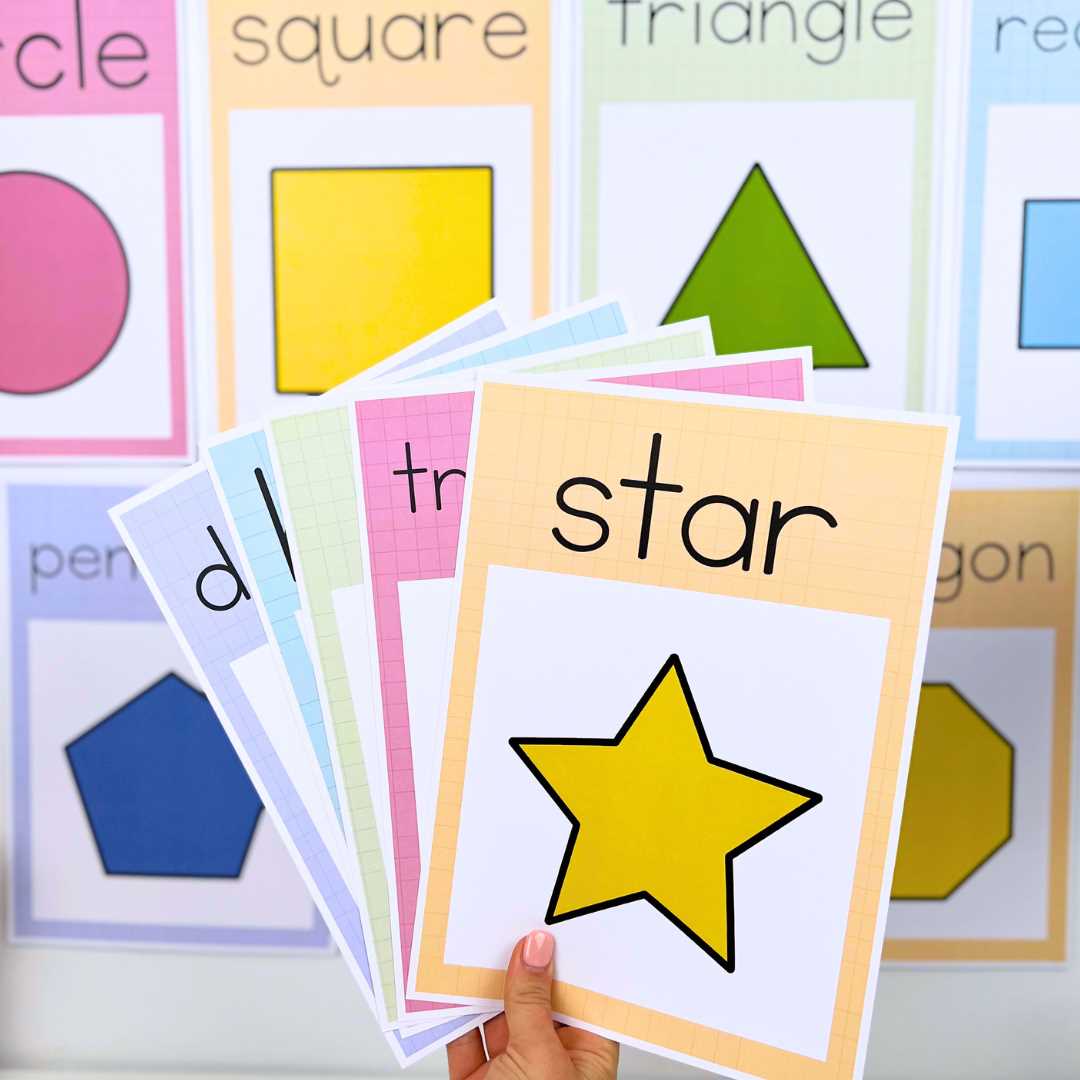
Choose flat figure sheets with bold outlines at least 3 pt thick and a minimum width of 7–10 cm for early-grade lessons; this size supports accurate tracing and reduces cutting errors. For math drills, use sets that include labeled sides and angles so students can measure directly on paper instead of copying figures by hand.
For craft work, prepare multiple scale versions of each geometric form on one page and print them on 160–200 gsm cardstock to prevent bending during glue projects. Circles and polygons with clear center marks help with symmetry tasks, while color-filled variants speed up sorting games and wall displays. Store finished cutouts in labeled envelopes by figure type so teachers can reuse materials across different activities without repeated prep.
How to Choose the Right 2D Shape Worksheets for Different Age Groups
Select figure worksheets based on the learner’s motor skills and recognition level rather than grade alone. For preschoolers, use pages with thick outlines (3–4 pt) and single objects per sheet so children can trace without visual overload. For older students, choose sets that include measurements, angle marks, and comparison tasks.
For ages 3–5, focus on basic geometric forms presented in isolation. Avoid crowded layouts and keep each figure at least 8 cm wide. Recommended features include:
- Bold borders for easy tracing
- Simple figures such as circle, square, triangle
- Minimal text instructions
- Wide spacing between objects
For ages 6–8, introduce mixed figure pages that require identification and sorting. At this stage, worksheets should support cutting accuracy and visual comparison. Use medium line weight (2–3 pt) and include both filled and outline versions on the same sheet.
For ages 9–12, prioritize geometry-focused materials that include side lengths, angle values, and perimeter or area prompts. Multi-step tasks work well here, such as measuring edges or grouping polygons by properties. Page density can increase, but maintain at least 1.5 cm spacing between items to keep the layout readable.
Review each worksheet before use and match it to the lesson goal rather than relying on the age label alone. A quick check of line thickness, object size, and task complexity prevents frustration and reduces the need to reprint materials later.