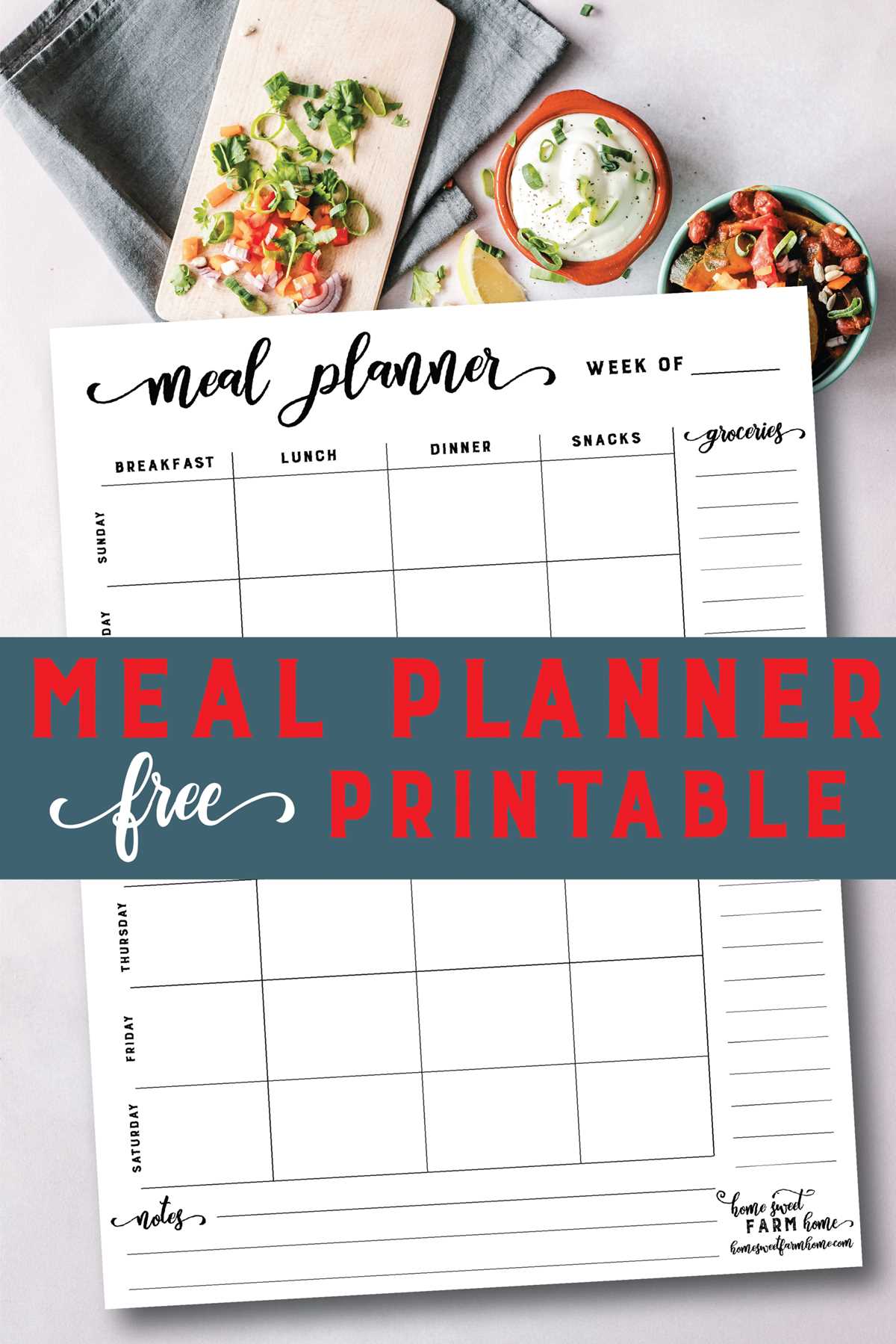
One of the best ways to stay on top of your cooking and shopping routine is by planning meals ahead of time. By using a structured layout for your grocery list and recipe ideas, you can save time and reduce food waste. Begin by determining your family’s preferences and balancing between healthy options and indulgent treats. Write down each dish you plan to prepare for the week, ensuring you include variety and practicality to avoid repetition.
Creating a simple chart can help you stay organized and visualize what ingredients you need to buy. It’s also important to think about any time constraints or special dietary needs, ensuring that you incorporate quick, nutritious options alongside meals that require more preparation. Incorporating leftovers in your schedule is a great way to maximize your time and reduce cooking effort on busier days.
Staying organized in the kitchen doesn’t just help with meal preparation, but it also encourages healthier eating habits. You’ll avoid the stress of last-minute takeout and can better stick to your grocery list, preventing impulse buys. Once you’ve set up your weekly guide, it’s easier to track your progress and adjust as necessary, ensuring that meals stay interesting and aligned with your goals.
Weekly Meal Planner Guide
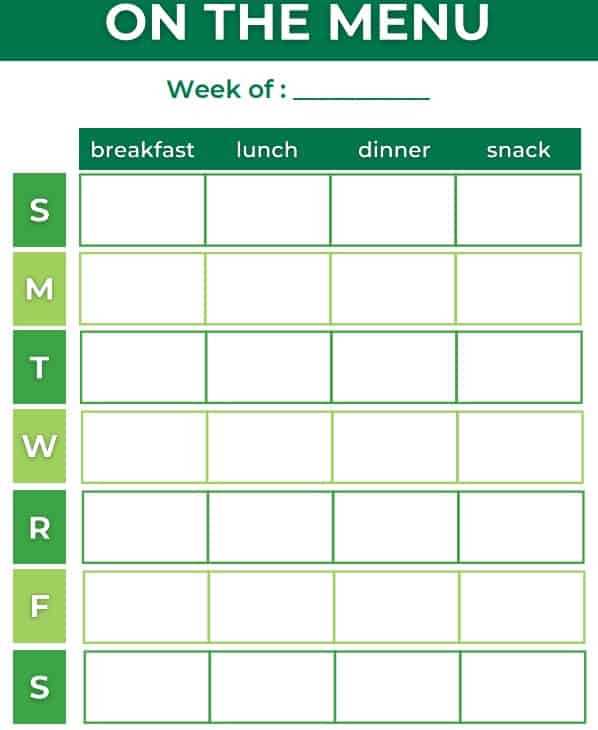
Start by listing out all the meals you plan to prepare for the upcoming week. Include breakfast, lunch, dinner, and snacks, ensuring there’s variety in each category. When selecting dishes, consider the amount of prep time, ingredients on hand, and the number of servings needed. This will help avoid unnecessary trips to the store.
For a more organized approach, break the week into specific days. Assign a unique dish to each day of the week, balancing more complex meals with quick and simple options. If you have a busy day, schedule a one-pot dish or leftovers. If you’re cooking in bulk, make extra portions to serve as meals later in the week.
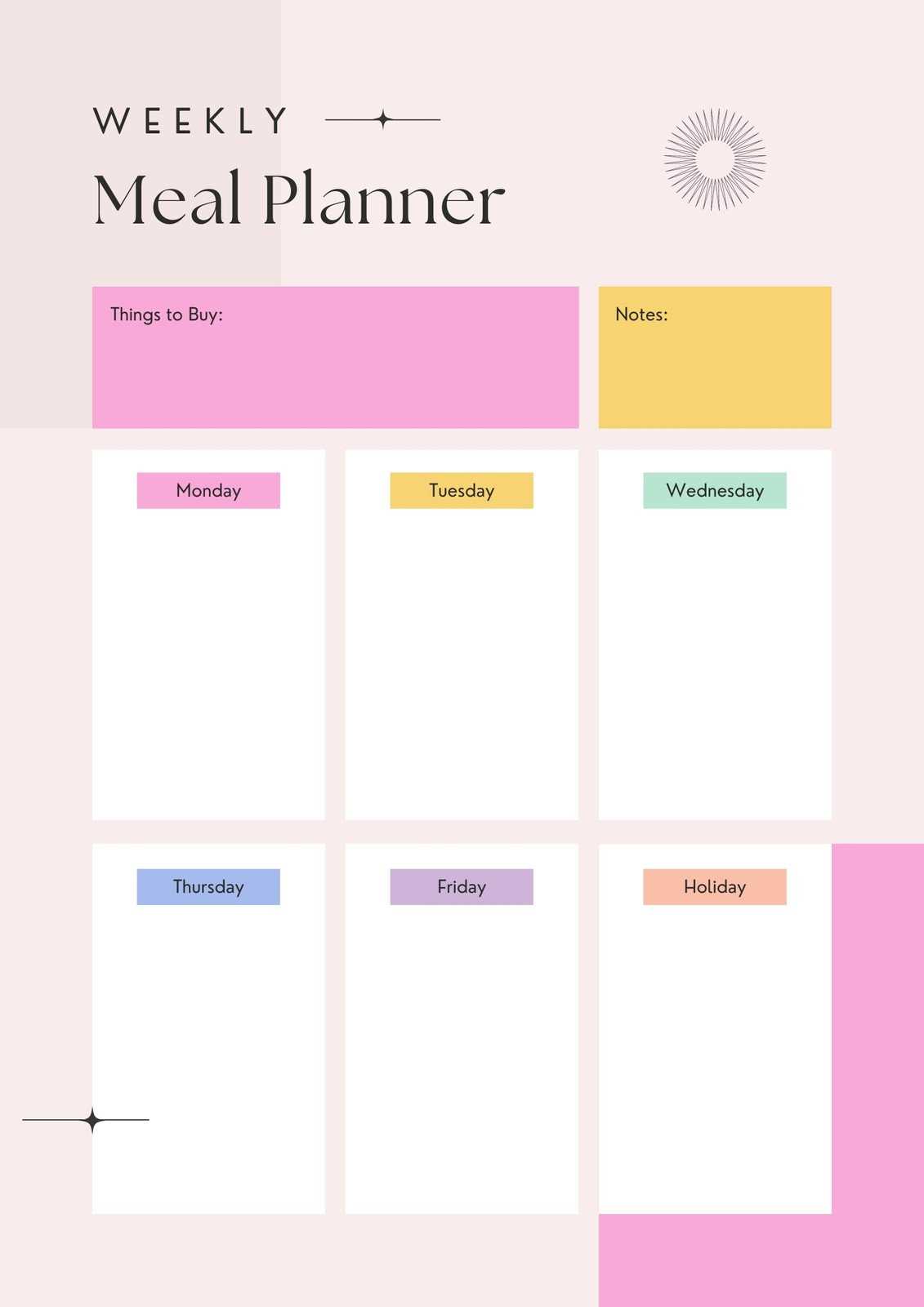
Plan out your grocery shopping based on the ingredients required for each dish. Organize your shopping list by sections, such as produce, dairy, and pantry items, to make the store trip faster. This way, you’re less likely to forget an ingredient, and you can avoid buying extra items that you don’t need.
Consider dietary needs and preferences when selecting your meals. If someone in your household has specific restrictions, such as gluten-free or vegetarian diets, make sure to incorporate those options. Look for recipes that can be easily adapted for everyone, such as using plant-based substitutes or reducing dairy in a dish.
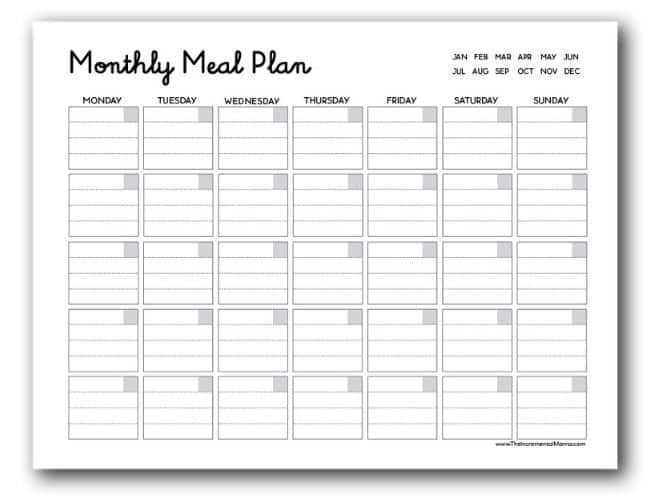
Use leftovers strategically. Incorporating extra servings into the next day’s menu or turning leftovers into a new meal, like transforming roasted vegetables into a soup, will save you time. Label and store any extra food properly to keep it fresh for longer, and make sure to use them before they spoil.
Don’t forget to schedule at least one meal out of the house, whether it’s a takeout night or dining out. This provides flexibility and allows for a break from cooking. If you prefer cooking at home, opt for something quick and easy, like a sandwich or salad, to minimize stress.
Finally, remember that a meal schedule is a guide, not a rigid rule. It’s fine to swap meals around if something unexpected comes up or if your cravings change. The goal is to simplify your week and make cooking enjoyable, not a burden.
How to Create a Custom Weekly Meal Plan
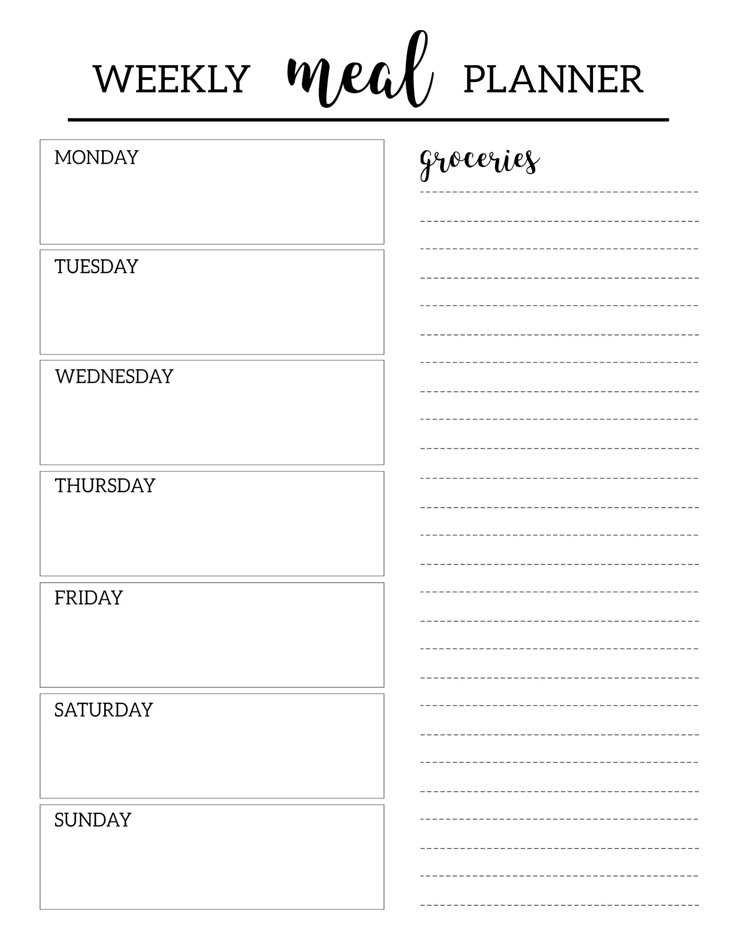
Begin by assessing your dietary goals. Are you trying to save time, eat healthier, or manage your grocery budget? Once your main goal is clear, you can tailor your options accordingly. For example, if you want to eat more vegetables, prioritize plant-based dishes that incorporate a variety of greens, legumes, and grains.
Next, list your preferred recipes and decide on the number of dishes for each category, such as lunch, dinner, and snacks. Aim to include meals that fit your lifestyle, whether they are quick meals for busy days or more elaborate options for weekends. Having a good mix of both types will keep your plan balanced and less overwhelming.
Consider the number of servings you need and the size of your household. For larger families, focus on meals that are easily scalable, such as casseroles or stews. If you live alone or in a small household, meals that are easy to prepare in single servings or leftovers will reduce food waste.
Once you’ve selected your recipes, create a grocery list based on the ingredients. Group items by category, like produce, dairy, and pantry essentials, to make shopping more efficient. Double-check what you already have in your pantry or fridge to avoid buying duplicate items.
To further customize, plan your shopping days. Depending on the size of your grocery list, you may want to shop once a week, or break your shopping into two smaller trips. Make sure to organize meals so you use ingredients in a timely manner, avoiding spoilage of perishable items.
If you have dietary restrictions, tailor your dishes by swapping ingredients. For example, use gluten-free pasta instead of regular pasta or replace dairy products with plant-based alternatives. Adjust recipes based on your preferences, but keep in mind that some swaps may require small recipe tweaks.
Lastly, keep your plan flexible. Life happens, and sometimes you may not have time to cook the scheduled meal. Allow room to switch meals around or have backup options like frozen vegetables or pre-made meals. This way, you stay on track without stress.