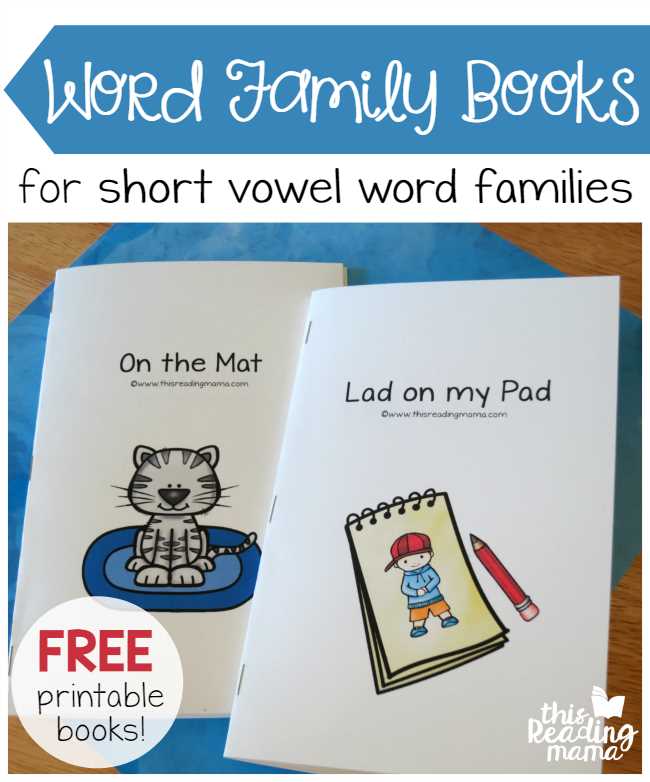
For beginners learning to read, printable materials that focus on sound-symbol relationships are incredibly valuable. These resources allow young learners to practice decoding skills by breaking down words into smaller parts. Look for options that focus on phonics, which help reinforce the connection between letters and their corresponding sounds. Many sites offer PDFs that can be easily printed at home, providing teachers and parents with low-cost tools to support reading development.
These printable resources can be a great addition to daily lessons. Incorporating worksheets, story cards, and word lists with targeted phonics patterns allows students to gradually build confidence. For example, worksheets with simple words can be expanded to more complex ones as children master foundational skills. Be sure to focus on materials that are simple, yet progressively challenging to maintain engagement and avoid overwhelming students.
Once downloaded, it’s useful to organize these sheets by difficulty level and phonetic pattern. Storing them in clearly labeled binders or digital folders will save time and ensure that resources are easy to access when needed. For teachers and parents, this method also allows for a more structured approach to a child’s reading practice, making it simple to track progress and adjust lesson plans accordingly.
Using Printable Resources to Build Reading Skills
Start by looking for printable worksheets that focus on simple phonetic patterns. These resources are crucial for reinforcing the connection between letters and their sounds. They allow children to practice decoding words in a structured way. Find materials with repetitive practice to ensure familiarity and fluency, so learners build confidence while progressing to more complex structures.
For those just starting to read, consider printable stories that incorporate easy-to-read words with consistent phonetic rules. Look for downloadable resources with engaging visuals to keep children interested. These sheets can include simple sentence structures and illustrations to reinforce comprehension and memory. Combining these with interactive reading sessions enhances the learning process and provides context to the words being practiced.
As students advance, seek printable exercises that introduce multisyllabic words while maintaining a focus on phonics. Materials that progress gradually allow learners to continue refining their skills without overwhelming them. Tracking which patterns and words have been mastered helps in choosing the next set of printable exercises, ensuring steady development and avoiding redundancy.
One final tip is to use a digital system to organize your printed resources. Label folders by difficulty level or phonetic pattern so materials are easy to find when needed. This can save time in lesson planning and allow you to customize the reading experience based on a student’s progress, helping to provide targeted support at every stage.
How to Find and Download Free Decodable Books for Early Readers
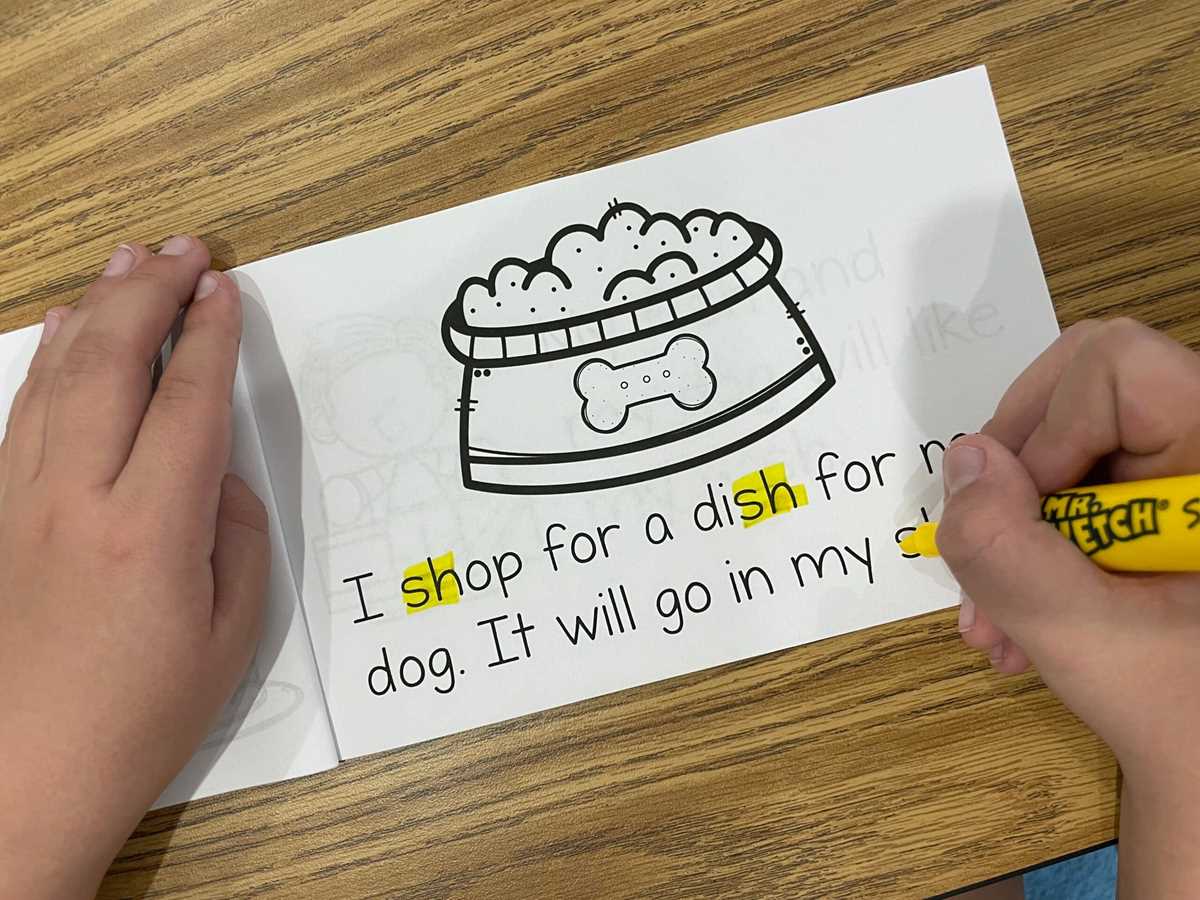
Start by exploring educational websites that specialize in early literacy materials. Look for platforms that provide downloadable reading sheets, focusing on phonics and simple word recognition. Many of these sites offer resources for different learning levels, making it easy to find the right material for beginners.
Another great resource is teachers’ blogs and online communities. Educators often share their own reading materials, including downloadable worksheets and reading passages. Search for blogs or forums dedicated to early education, where teachers share their favorite tools for young readers. These resources can often be downloaded at no cost, and they cater to various teaching methods.
If you’re looking for something more interactive, consider searching digital libraries and archives that offer reading worksheets in PDF format. Many of these archives contain resources for phonics practice and are sorted by grade level, which makes it easy to choose materials that match a child’s current abilities. Some even allow you to customize the difficulty by providing different versions of the same content.
Finally, use social media platforms like Pinterest, where teachers and parents share links to reading resources. Search for boards focused on literacy, where you can find curated collections of printable reading materials. These links often lead to sites that offer both free and paid resources, so be sure to filter out what’s available at no charge.