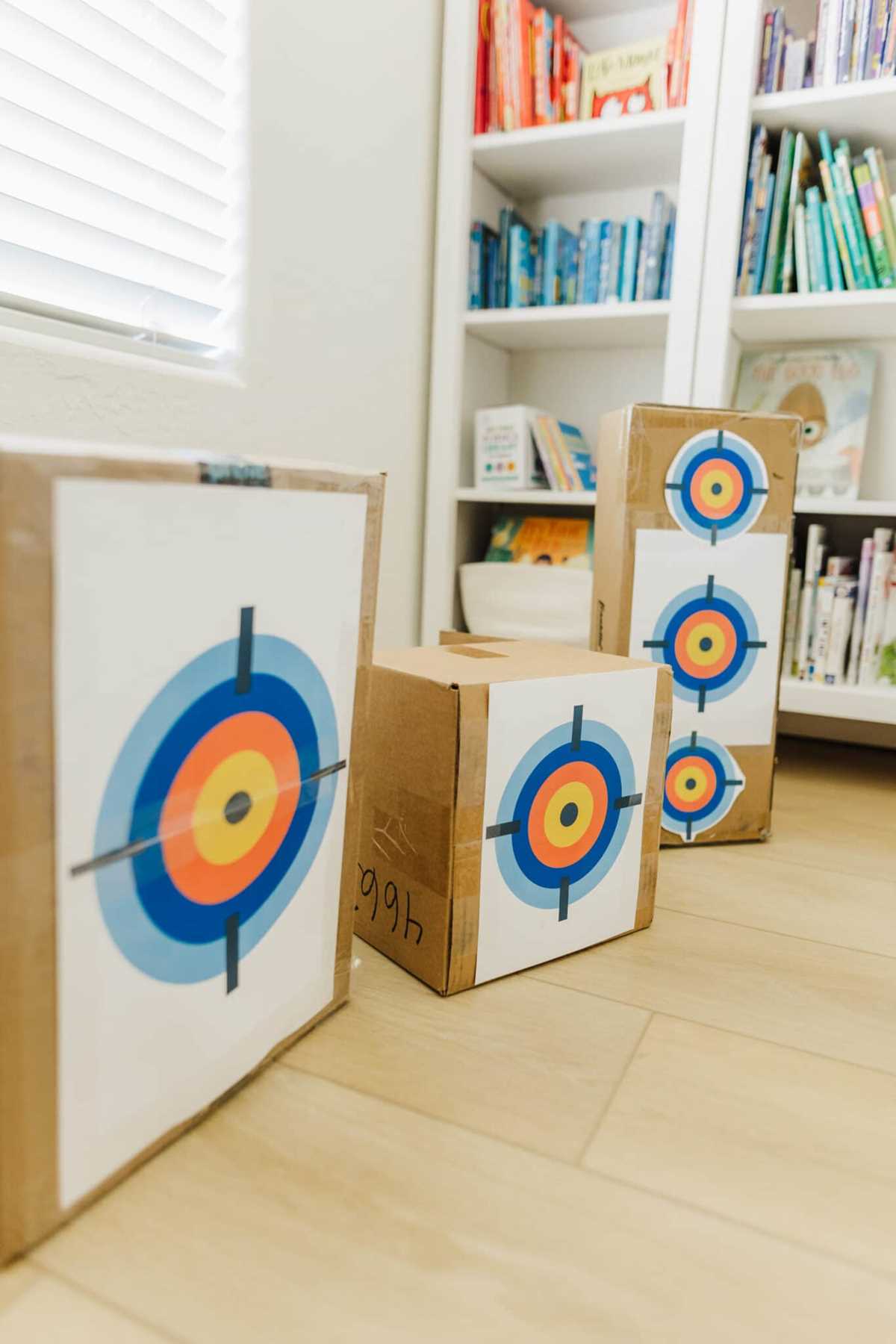
To create a fun and engaging activity for your kids, try setting up a custom shooting station using a design you can easily download. The key to success is choosing an image that fits the space where you’ll be playing. Consider large, clear shapes and bold outlines that make it easy for children to aim accurately. Make sure the dimensions suit the area–too small, and it becomes difficult to hit, too large, and it may overwhelm the player.
Once you’ve picked the right design, print it out on durable paper or cardstock to ensure it can withstand multiple rounds of play. Consider laminating the sheet for extra durability, especially if it’s being used outdoors. This allows for easy cleanup and reuse. Place the printout at a height suitable for the players to avoid frustration and keep the activity enjoyable for everyone involved.
As you prepare your setup, remember that varying the challenge level can keep things interesting. Start with larger targets and, as skill improves, reduce the size or add more obstacles. Adjusting the placement of the target, such as hanging it on a wall or attaching it to a stand, offers different perspectives and forces players to adapt. These small tweaks can significantly boost the fun and challenge level of the game.
Printable Nerf Target
Choosing the right design for your shooting station is key to an enjoyable experience. Opt for large and simple shapes that can be clearly seen from a distance. Shapes with high contrast are ideal, as they make it easier to aim and increase the success rate of hitting the mark.
For durability, print the design on thick paper or use cardstock. This will help ensure that the image doesn’t tear easily during play. Consider laminating the printed sheet if you plan to use it frequently or outdoors. Laminating provides extra strength and allows you to wipe off any dirt or marks with ease.
Once the design is ready, consider how to set it up. Depending on space, you can mount it on a wall or place it on a stand. A vertical setup is often better for accuracy, as it gives players the opportunity to line up their shots at a fixed distance and height.
If you want to add an extra challenge, increase the difficulty level by shrinking the design or adding smaller, more intricate areas to hit. You can also adjust the placement–hang it higher or move it farther back for more advanced players. Adjusting these variables allows players to gradually improve their aiming skills and keep the game fresh.
Another option is to create multiple smaller designs and place them in different locations. This increases the difficulty by forcing players to move between shooting stations. You could also create multiple targets with different scoring areas, rewarding players for hitting specific zones.
Once the setup is complete, try varying the types of ammunition used or set time limits for each round. These adjustments will help keep the activity dynamic and exciting, offering a fun challenge for everyone involved. Changing the rules periodically will ensure that no two rounds are alike and will keep players engaged for longer sessions.
Choosing the Right Design for Your Nerf Target
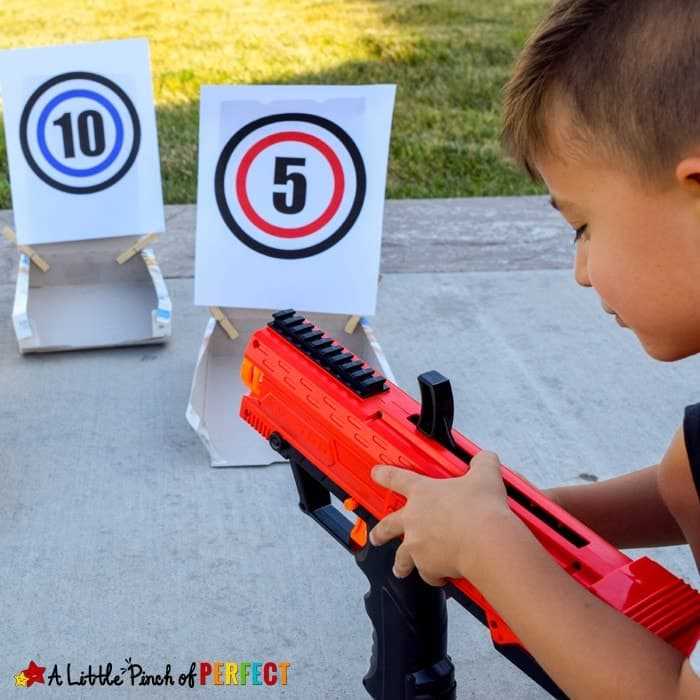
Select designs that are visually clear and easy to aim at. Bold, high-contrast images with defined outlines make it easier to hit your mark. Opt for geometric shapes like circles, squares, or stars, as they are easy to recognize from a distance.
Consider the skill level of the participants when choosing the complexity of the design. Simple shapes are perfect for beginners, while more intricate designs can offer a greater challenge for experienced players. Adjusting the level of difficulty by altering the design’s size or adding smaller sections to hit can make the game more engaging.
For durability, choose designs with simple outlines and fewer intricate details that might tear under constant use. A thicker paper or cardstock will help the design last longer, especially when used outdoors or in active play environments.
If space allows, consider using multiple designs to create a course with several shooting stations. This will allow players to practice different skills, such as long-distance shots, or shooting from various angles. Spacing out the designs will also add an element of strategy to the game.
It’s also helpful to think about the materials used for the shooting practice. If you are printing on paper, remember that it may not stand up well to repeated impacts. Laminate the design or use a more durable material for long-term use.
Finally, experiment with designs that allow for adjustable scoring areas. For example, create zones with different point values to incentivize accuracy and precision. This encourages players to focus on hitting specific areas of the target and enhances the competitive aspect of the game.