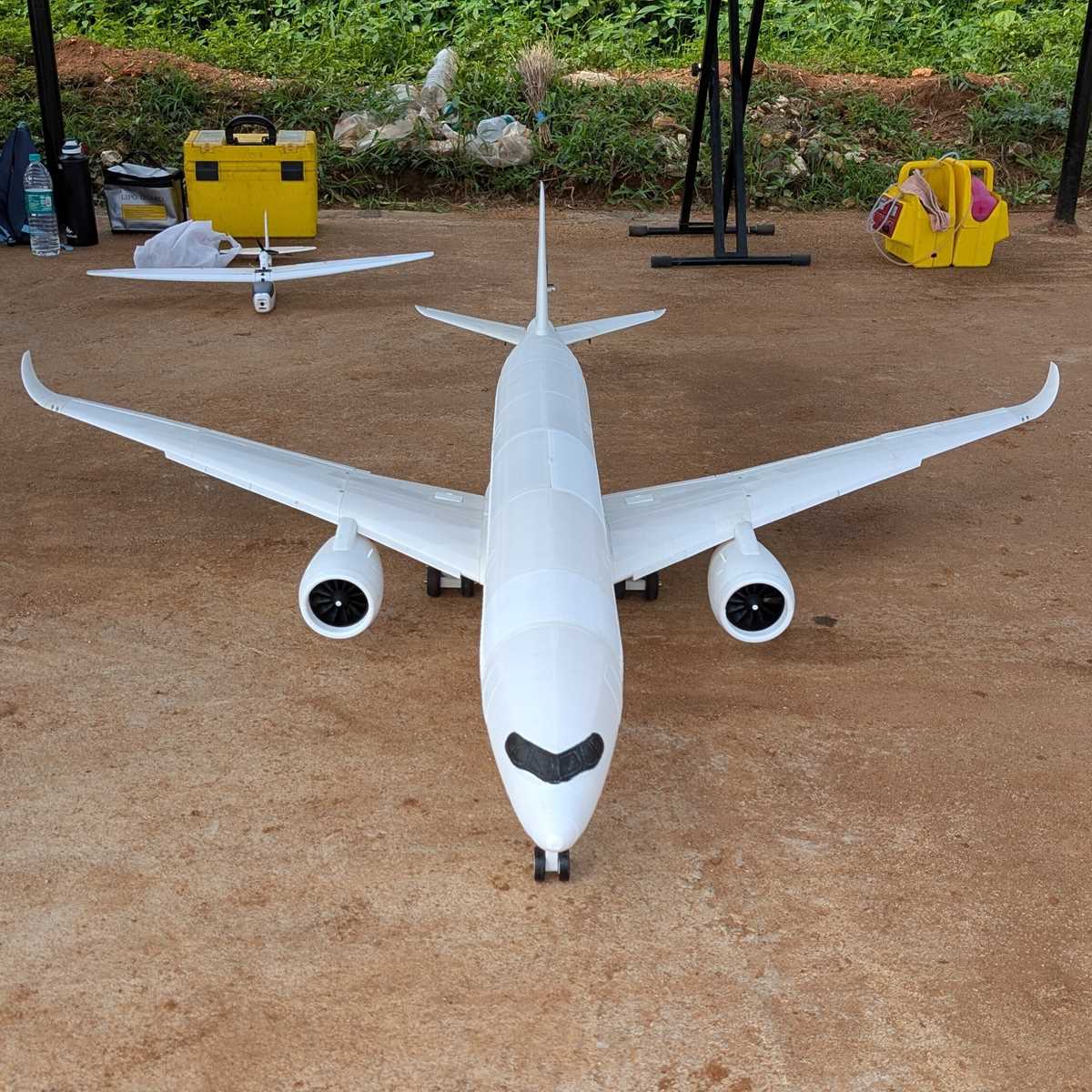
For those looking to build custom aircraft models, the first step is finding high-quality designs that suit your preferences. Platforms like Thingiverse, MyMiniFactory, and Cults offer a variety of aircraft templates that are easy to download and customize. Make sure to look for designs that are compatible with your 3D printer’s capabilities, such as size, complexity, and material compatibility.
Choosing the right material is just as important as the design itself. Common materials for 3D model construction include PLA, ABS, and PETG. PLA is a great option for beginners due to its ease of use, while ABS is more durable, making it ideal for detailed or larger-scale models. PETG offers a balance between strength and flexibility, making it perfect for creating parts that may need some bend or resilience.
Once you’ve selected your design and material, it’s time to print. Follow the model’s guidelines for print settings, ensuring that your 3D printer’s temperature, speed, and layer height are properly adjusted. For more complex models, consider using supports to ensure clean prints, especially for parts with overhangs. After the print is complete, carefully remove the pieces from the build plate and assemble them using glue or screws, depending on the design.
3D Models of Aircraft for Custom Builds
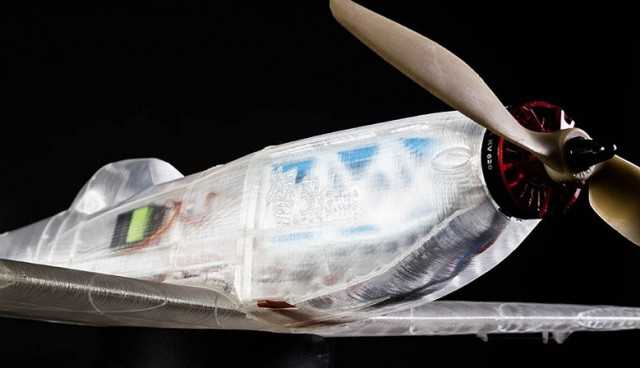
To create custom aircraft models, it’s crucial to start with well-designed templates. Websites like Thingiverse, MyMiniFactory, and Cults are excellent resources where you can find a wide range of aircraft models, from vintage planes to modern jets. Search for designs that match the type of aircraft you wish to build and ensure they are compatible with your 3D printer’s specifications.
When choosing a model, pay attention to the scale and complexity. Models with intricate details like engines, wings, and control surfaces may require higher-resolution prints or more advanced printers. If you are new to model making, consider starting with simpler designs to build your skills before moving on to more detailed projects.
Material selection also plays a significant role in the final result. For lightweight and sturdy models, PLA is a common choice due to its ease of use and affordability. However, for more durable parts, ABS or nylon might be better options. For functional parts that require flexibility, such as landing gear, TPU (flexible filament) may be appropriate.
Before printing, check the model’s orientation and use proper support structures to ensure the integrity of complex shapes. Use slicing software like Cura or PrusaSlicer to optimize print settings such as infill density, print speed, and layer height. These settings will help achieve a balance between speed and quality while minimizing the risk of print failures.
Once the model is printed, you may need to assemble multiple parts. Some aircraft models come with pre-designed joint mechanisms for easy assembly, while others may require you to glue parts together or use screws. Painting is also a popular step after printing, allowing you to add realistic details to your aircraft.
3D-printed aircraft models offer a unique way to experiment with design and customization. Whether you’re creating a personal collection or making gifts for aviation enthusiasts, the possibilities are endless with the right models and materials. With patience and attention to detail, you can produce stunningly realistic aircraft replicas right at home.
How to Find High-Quality Aircraft Models for 3D Printing
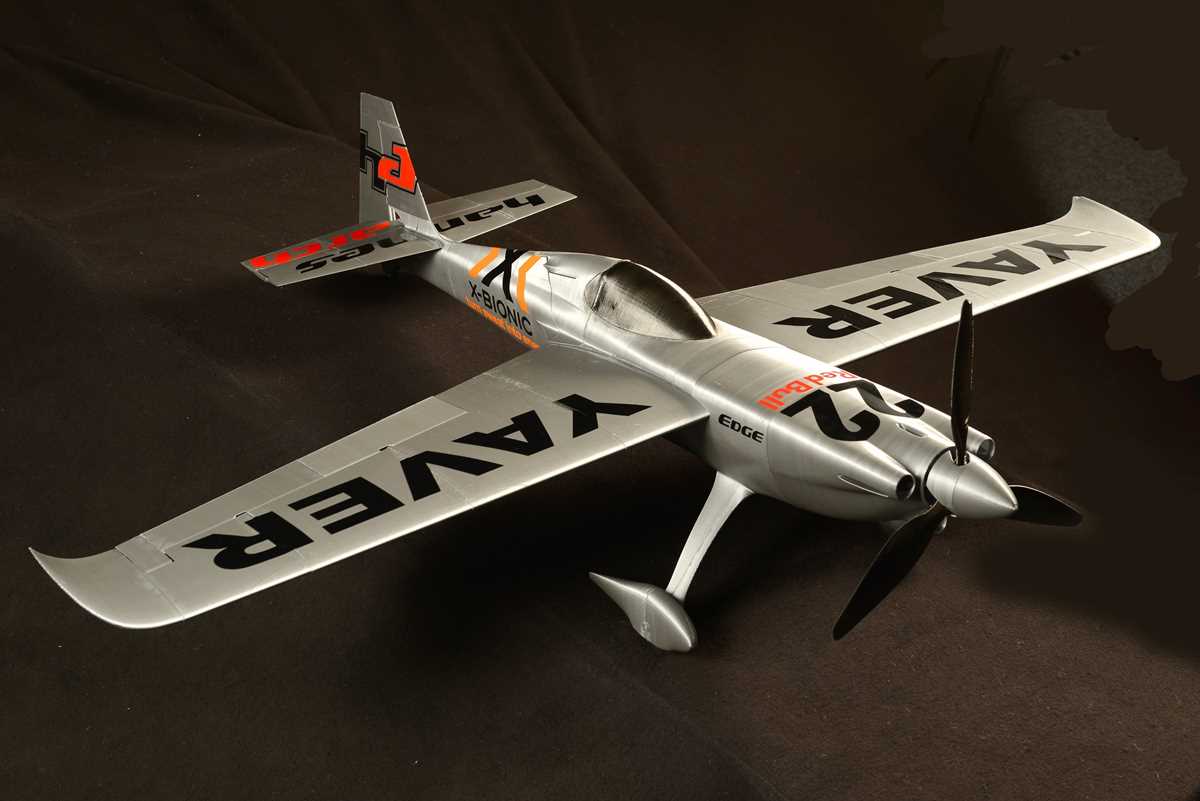
Start by exploring popular 3D model repositories such as Thingiverse, MyMiniFactory, and Cults3D. These platforms offer thousands of models, including aircraft designs, shared by both hobbyists and professionals. Always check the comments and ratings for insights on model quality and user experiences before downloading.
Another reliable source is TurboSquid, which specializes in high-detail, professional-grade models. Although some models may require payment, you can find aircraft with fine details and textures that could be perfect for a more advanced printing project. These models are typically optimized for high-resolution prints, ensuring a high level of accuracy.
Search for models with clear, detailed descriptions and high-quality images. This will help you assess the level of detail and complexity of the design. Make sure the files are in compatible formats like STL or OBJ, which are commonly used for 3D printing. This ensures that the models will be easy to upload and print on your machine.
Review model complexity before proceeding. If you’re a beginner, look for simpler designs that require fewer parts or simpler assembly. More complex models often require specific support structures or might need special materials for printing. Take into account the size and scale of the model, especially if your 3D printer has a limited build volume.
If you are looking for detailed, professional-grade models, consider visiting CAD and engineering design websites. Platforms like GrabCAD offer models that are designed by engineers and often have high levels of accuracy and detail. These files may also come with technical specifications and can be perfect for precise, scale modeling.
For customized aircraft models, some websites allow you to modify existing designs or commission personalized projects. You can tweak designs based on specific features you want to highlight, such as adding custom decals or adjusting the dimensions. Be sure to check licensing restrictions before altering or redistributing models.
Lastly, joining online 3D printing communities and forums can be a great way to discover unique aircraft models. Platforms like Reddit and 3D printing Facebook groups often feature user-submitted designs or project recommendations. Sharing tips with other hobbyists can also lead to discovering high-quality designs that you might not find elsewhere.